Zanthoxylum
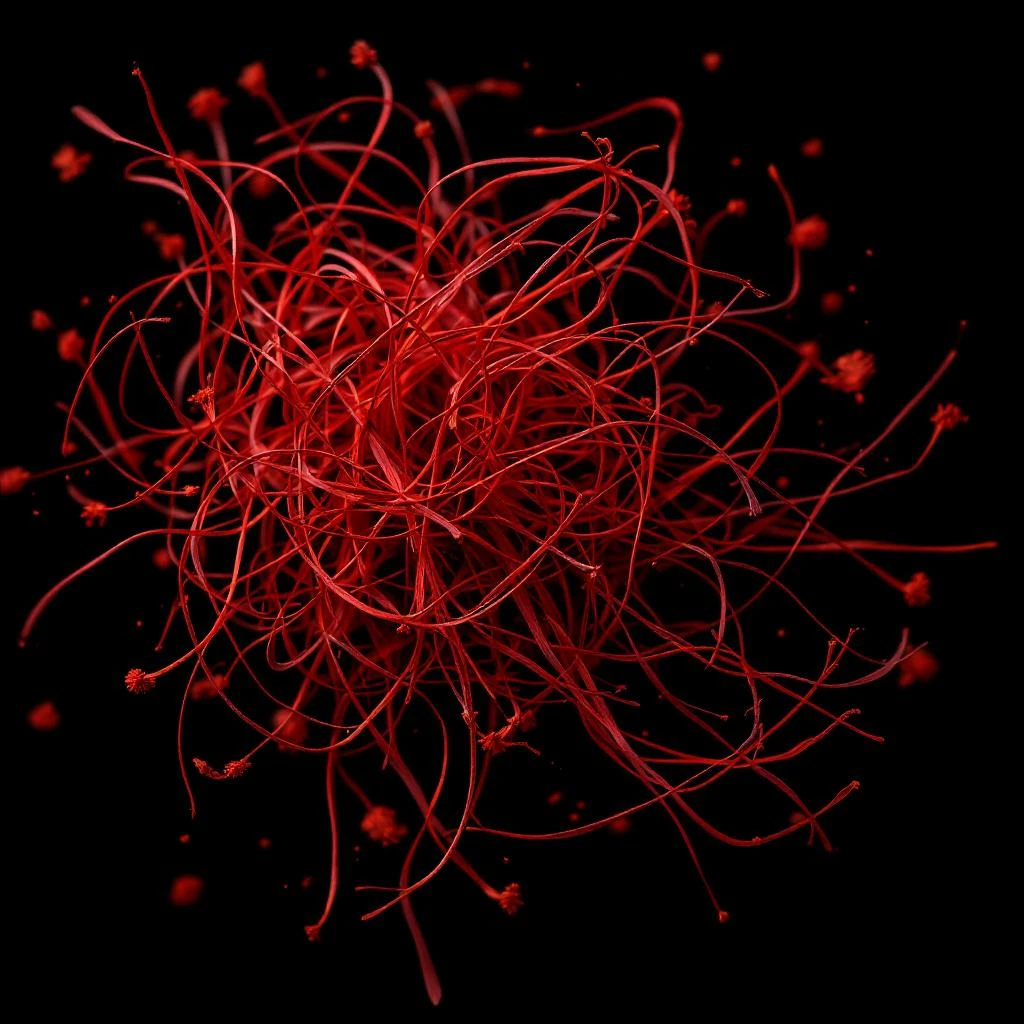
Zanthoxylum, known as Sichuan pepper, delivers a curious citrus-pepper buzz that tingles on the tongue and the nose. Its volatile oils capture sparkling brightness with a numbing edge no other spice quite replicates.
Character
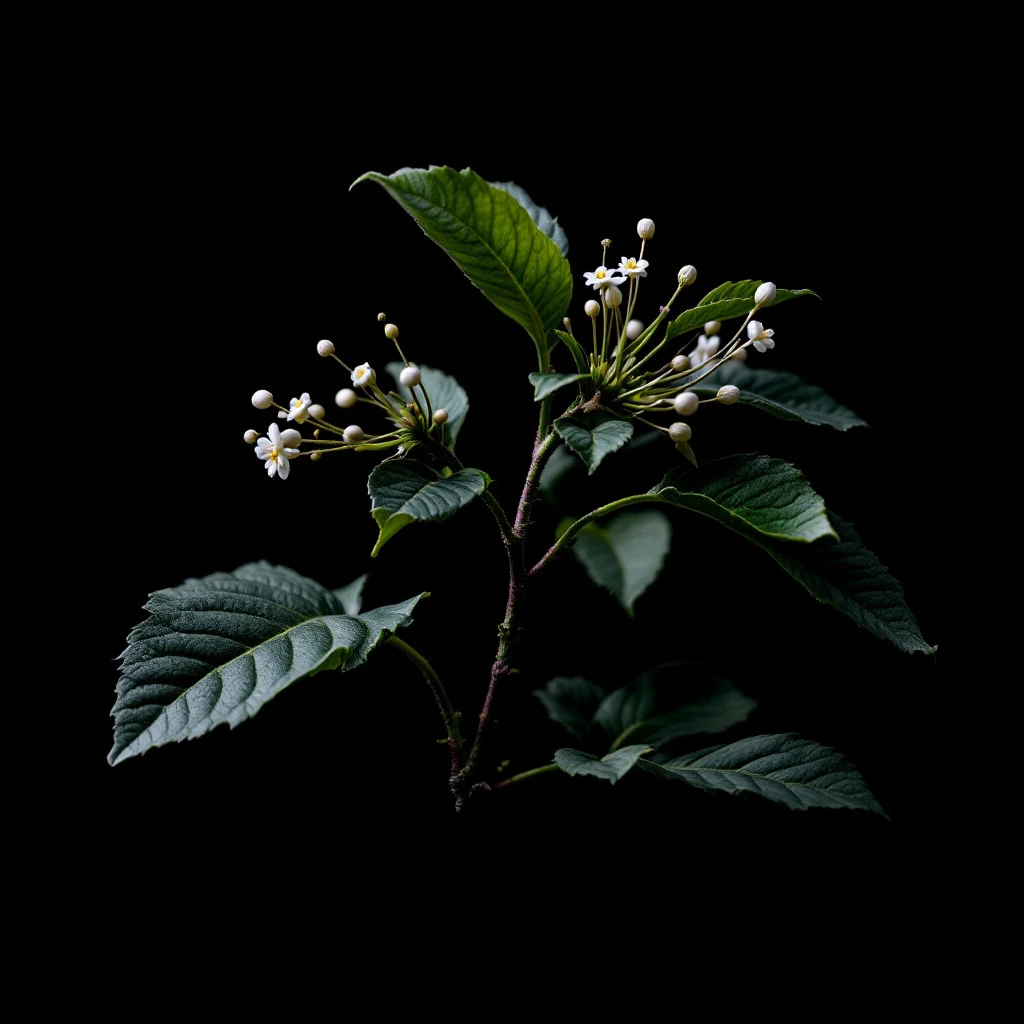
How it smells
The electric citrus-pepper that tingles.
The same compound, sanshool, that makes Sichuan pepper cause a buzzing numbness in your mouth also triggers the vibrant sensation in perfume compositions.
Pairs beautifully with
Origin
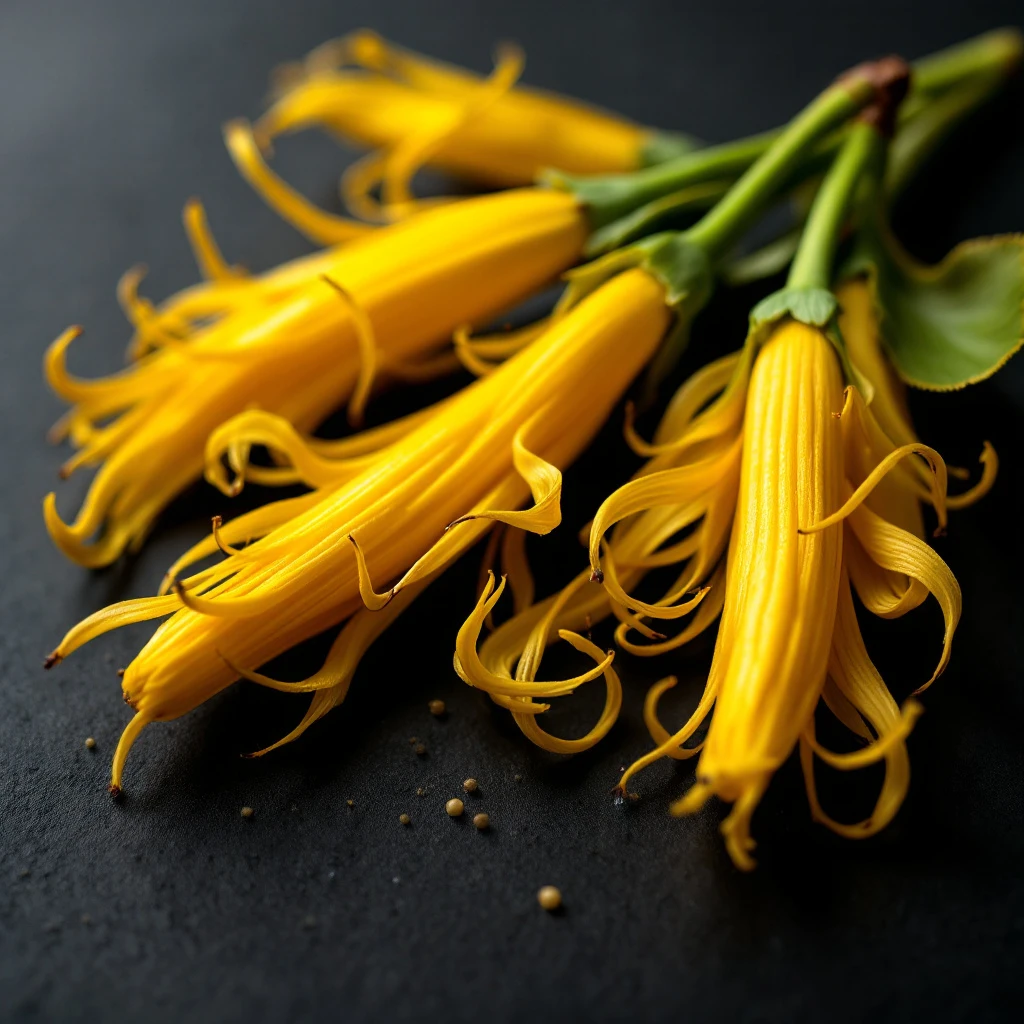
China
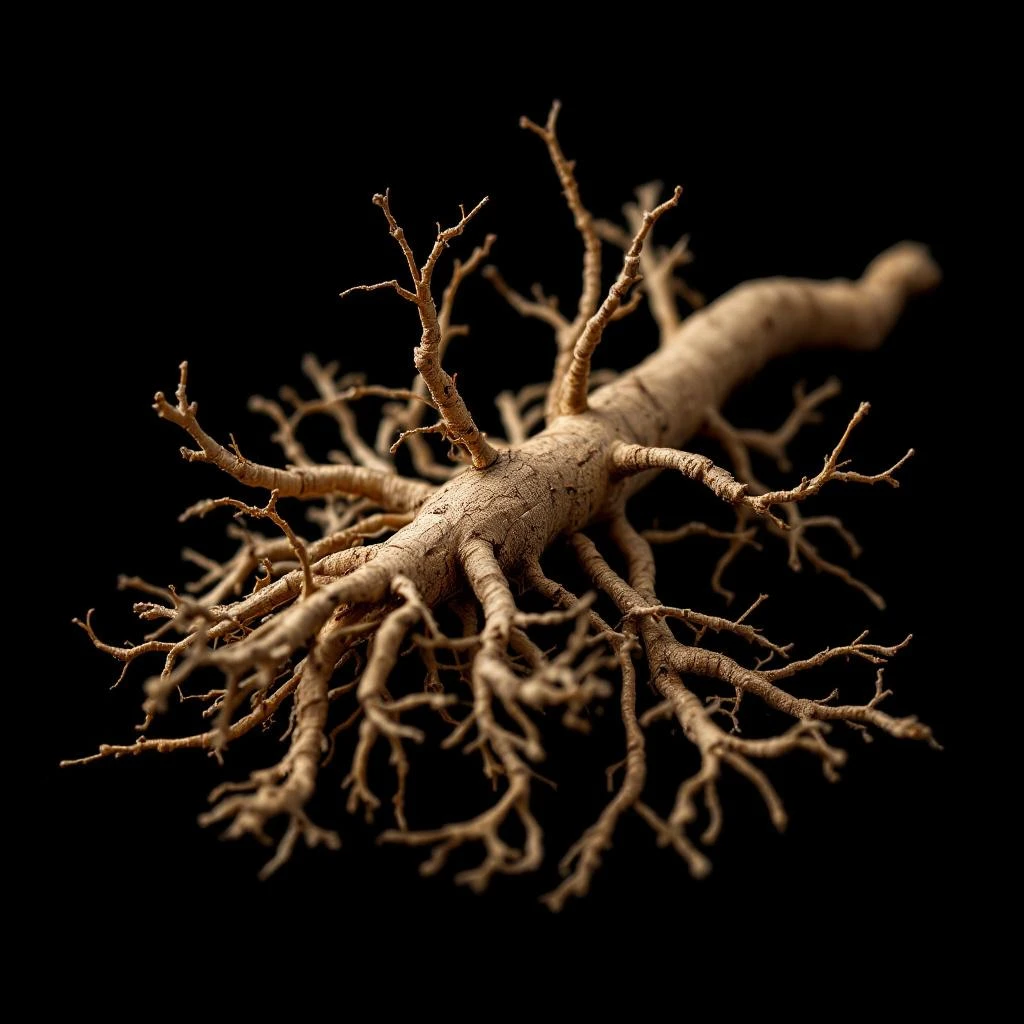
Zanthoxylum has flavored food and medicine across East Asia for over two thousand years, appearing in Chinese medical texts as huā jiāo, the flower pepper. Buddhist monks carried Sichuan pepper along the Silk Road, where it reached Japan and became a fixture in Japanese incense traditions known as senko.
By the Tang dynasty, the spice held ceremonial importance, burned to ward off insects and used in ritual offerings. European botanists first classified Zanthoxylum species in the 18th century, noting the tongue-tingling sensation that distinguished it from true peppers.
The genus name derives from Greek xanthon xylon, meaning yellow wood, a nod to the pale heartwood found in several species. Modern perfumery rediscovered Zanthoxylum in the early 2000s as niche houses sought novel top-note materials that bridged citrus freshness with spice.
Wears it best
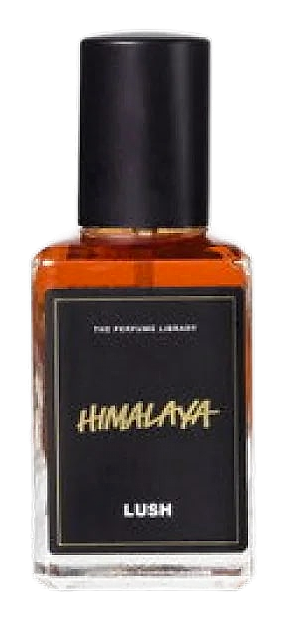
Fragrances featuring Zanthoxylum
Brands
Brands known for Zanthoxylum
Good to know
Questions, answered
The essentials on Zanthoxylum in perfumery: how it smells, where it comes from, and how it behaves on skin.
What does Zanthoxylum smell like in fragrance?
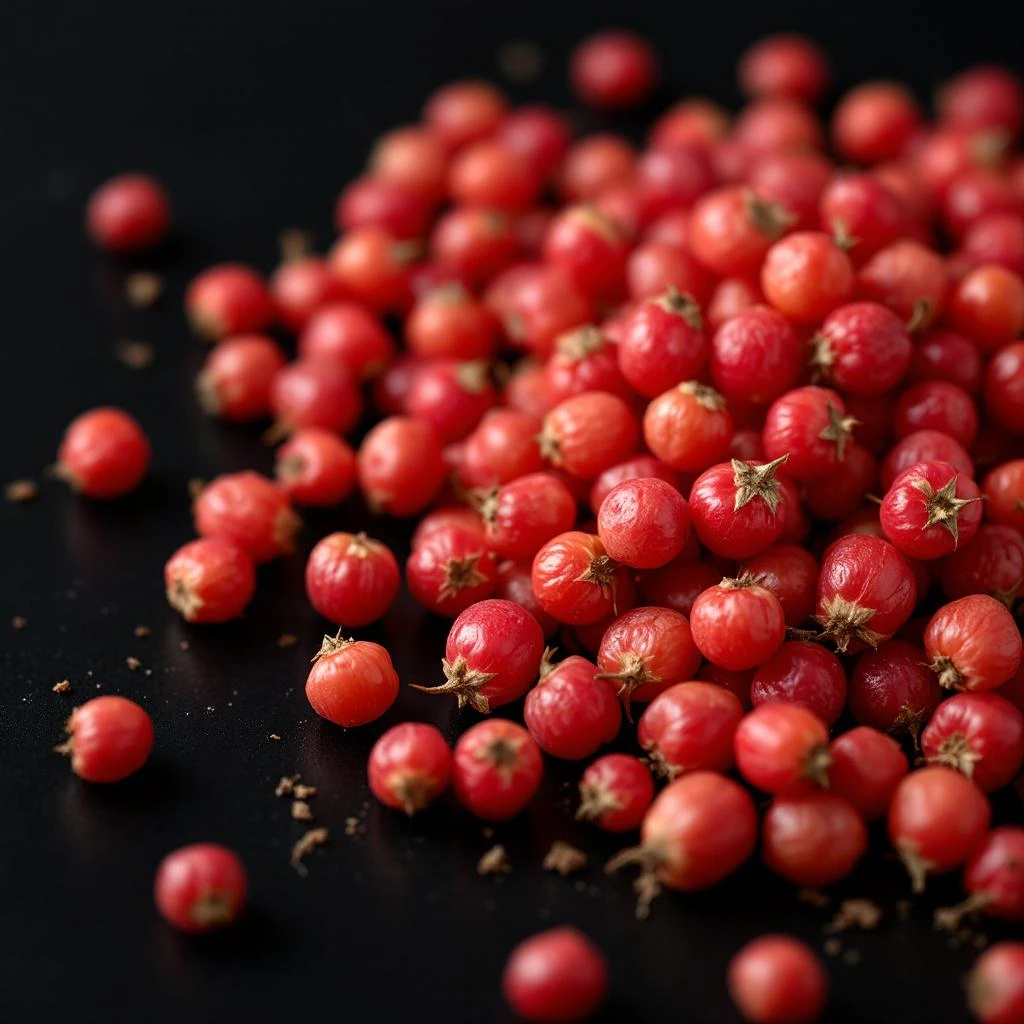
Zanthoxylum opens with a bright, almost effervescent citrus note layered over warm spice, creating a sensation often described as tingly or buzzing. The unique profile bridges grapefruit freshness with the earthy warmth of pink pepper, adding an electric edge to compositions.
Is Zanthoxylum the same as Sichuan pepper?
Yes, Zanthoxylum, particularly Zanthoxylum bungeanum and Zanthoxylum piperitum, is the botanical source of Sichuan pepper. The same berries used in Chinese cuisine also yield essential oils prized in contemporary niche perfumery.
Why does Sichuan pepper make your mouth tingle?
The sensation comes from alkylamides called sanshools, which activate touch and vibration receptors on the tongue. In fragrance, this same compound contributes a distinctive freshness that perfumers describe as a buzzing or effervescent lift.
Which perfumes feature Zanthoxylum as a key note?
Several niche houses have spotlighted Zanthoxylum, including Comme des Garçons with their Wonderwood-adjacent releases and independent perfumers exploring spicy-citrus themes. It frequently appears as a top-note accent rather than a solo feature.
How is Zanthoxylum essential oil extracted?
Steam distillation of dried peppercorn husks yields the essential oil, though CO2 extraction better preserves the characteristic sanshool compounds. Both methods produce oils with bright citrus-spice character suitable for fine fragrance.
Is Zanthoxylum safe for skin in perfumery?
Zanthoxylum piperitum seed oil is generally recognized as safe for cosmetic use at standard perfumery concentrations. As with all citrus and spice-derived materials, phototoxicity is low, but sensitized individuals should patch-test before extended wear.
Where does Zanthoxylum grow?
Zanthoxylum species grow across temperate and subtropical regions of East Asia, with Sichuan province in China as the primary culinary and aromatic source. Related species thrive in Japan, Korea, and parts of North America.
Can Zanthoxylum be used as a natural numbing agent?
Yes, the sanshool compounds in Zanthoxylum produce a mild local anesthetic effect, which traditional Chinese medicine has exploited for dental pain and digestive complaints. This same bioactive property contributes to its unique aromatic appeal in perfumery.