Ghanaian Ylang-ylang
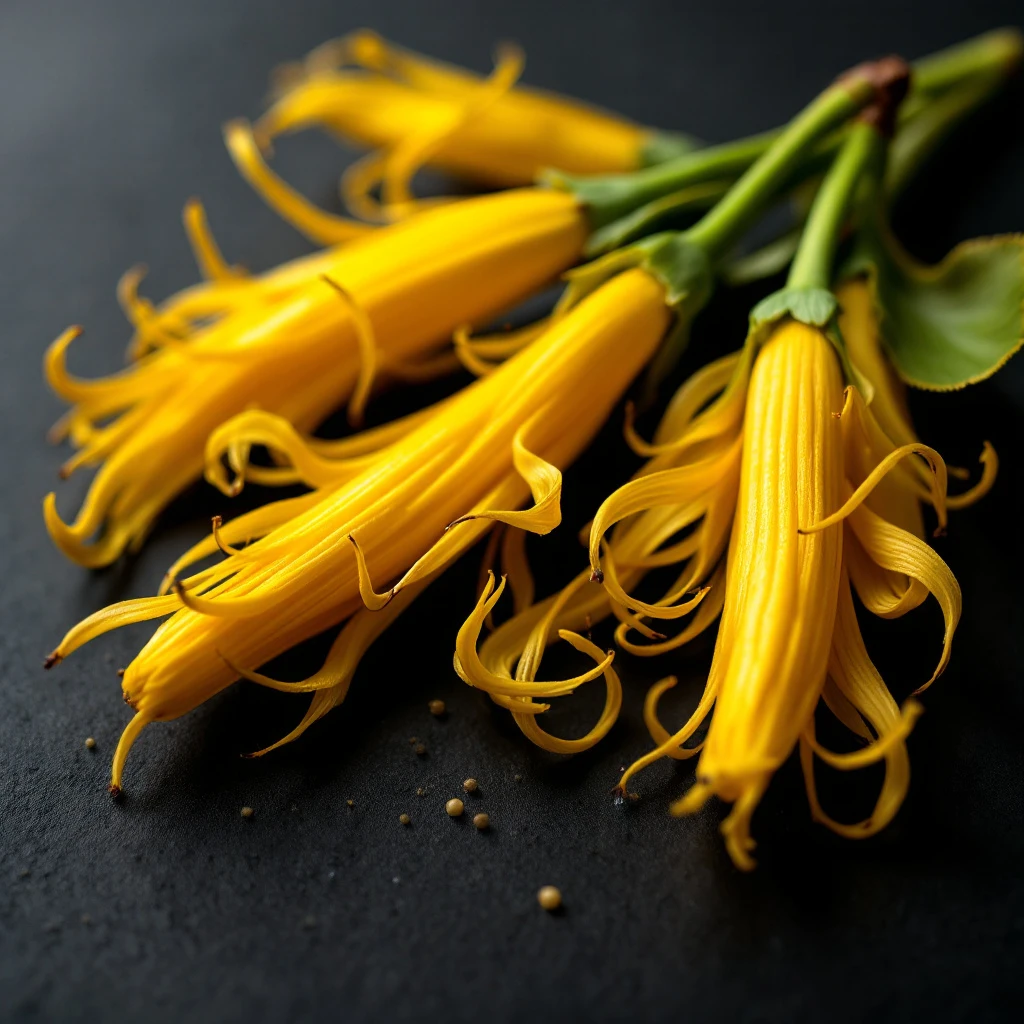
Ghanaian ylang-ylang carries the tropical soul of West Africa into fragrance. Hand-harvested from the fragrant canopy of Swedru, this oil distills the flower's signature richness into a golden, deeply floral heart note prized by perfumers worldwide.
Character
How it smells
West Africa's golden floral heart
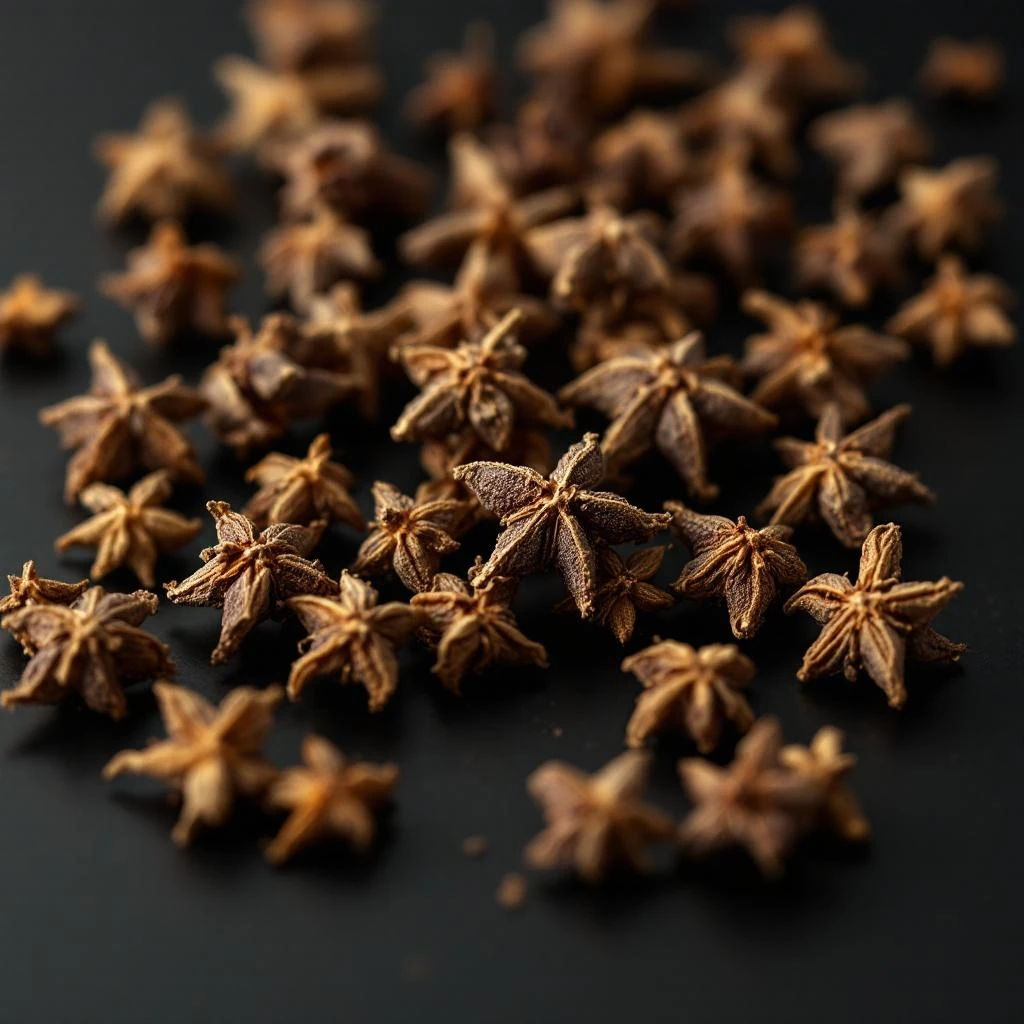
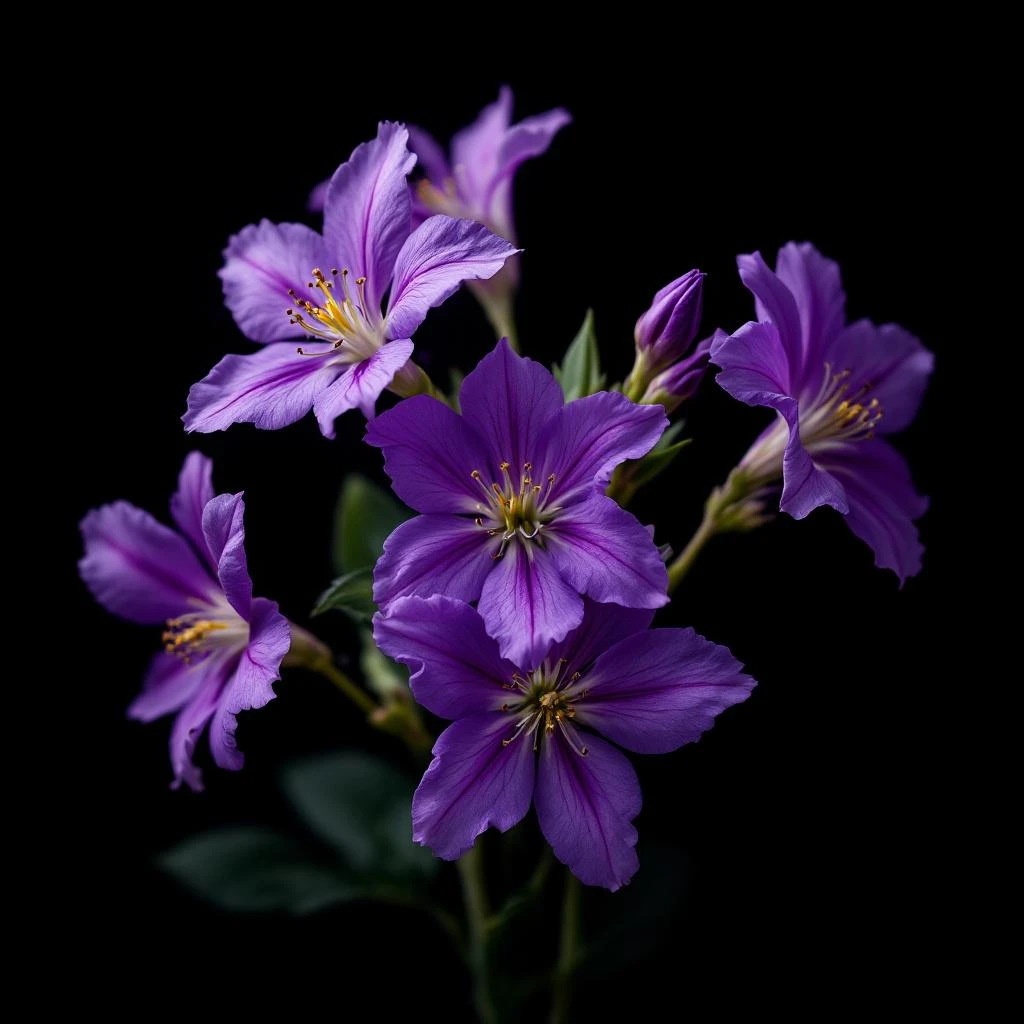
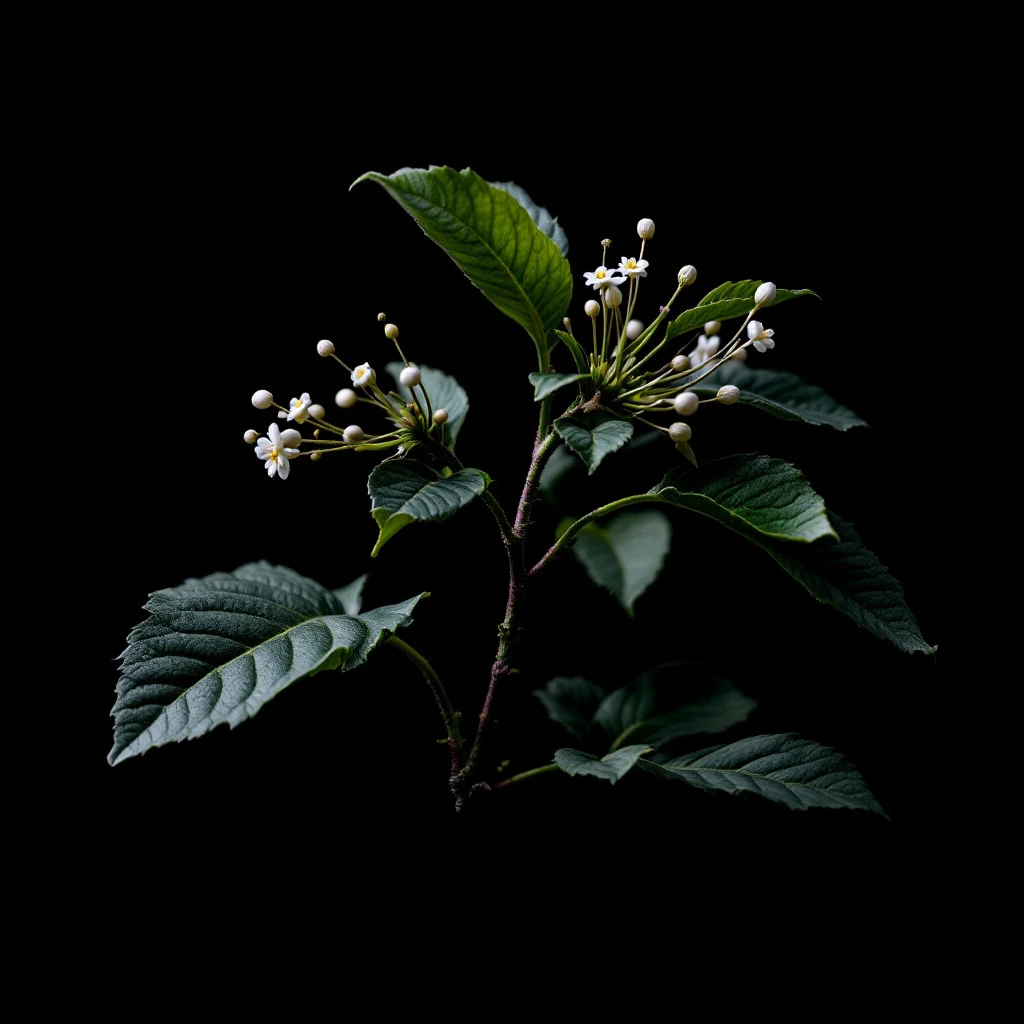
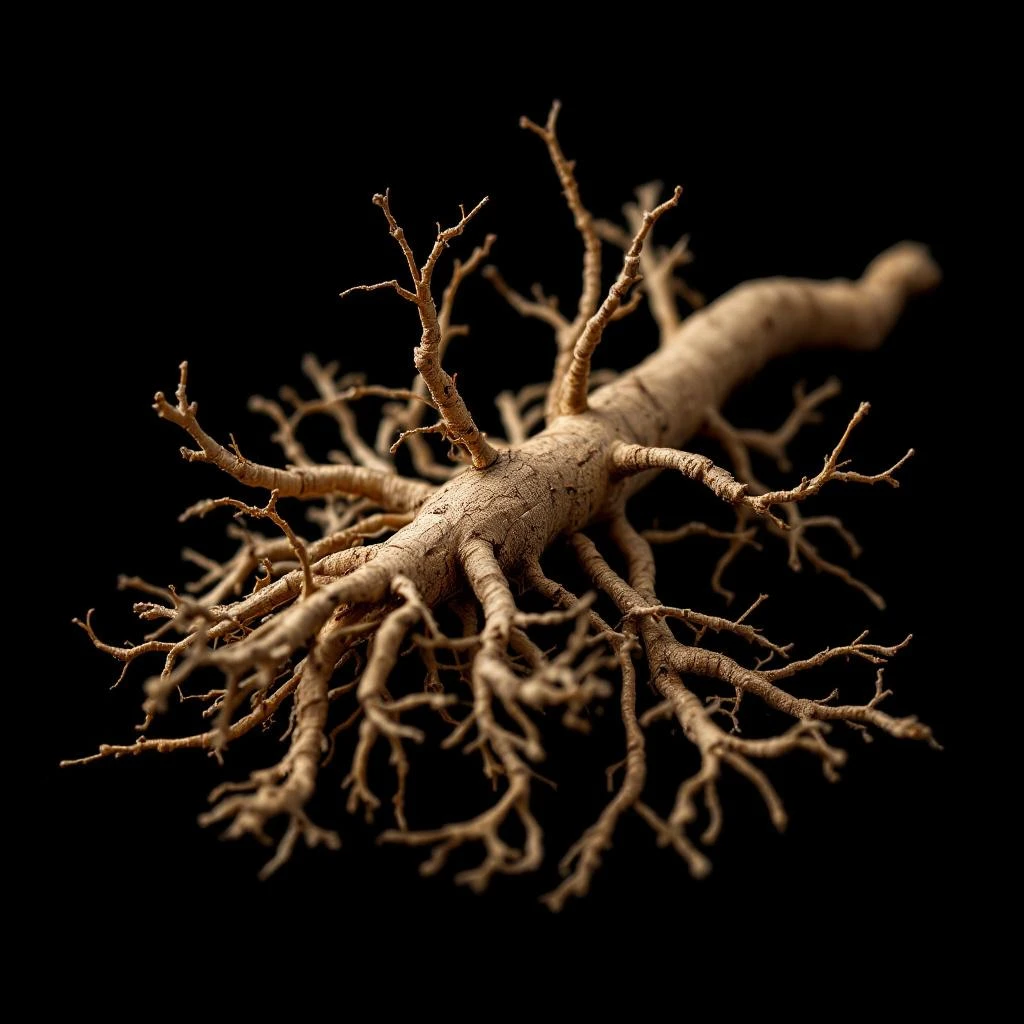
Harvesters collect ylang-ylang blossoms at dawn, before tropical heat alters the flower's aromatic chemistry.

Origin
Ghana
Ylang-ylang (Cananga odorata) originated in the Philippines, where locals called the tree "ilang-ilang" and used its waxy blooms in ceremonial garlands. The species traveled with colonial trade routes: French settlers introduced it to Reunion by the 1700s, establishing cultivation that supplied European perfumery.
The oil found commercial fame when sailor Albert Schwenger established the first distillation in Manila in 1860. A century later, Chanel's revolutionary No.
5 cemented ylang-ylang as a perfumery cornerstone. Ghana's Swedru plantation now carries this legacy forward, transforming West African soil into a significant source for one of fragrance's most beloved materials.
Wears it best
Fragrances featuring Ghanaian Ylang-ylang
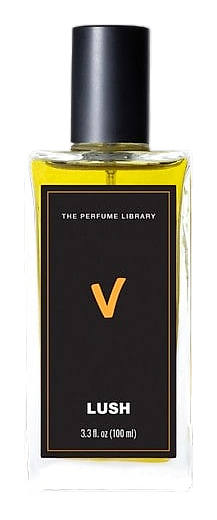
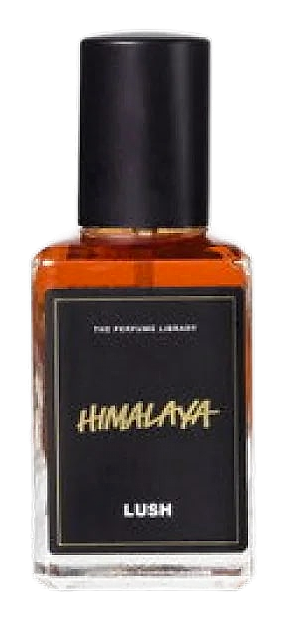
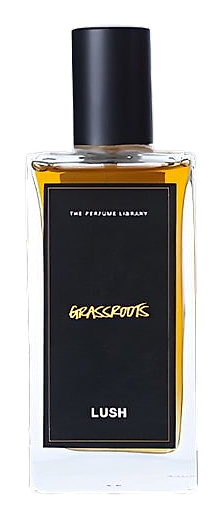
Brands
Brands known for Ghanaian Ylang-ylang
Good to know
Questions, answered
The essentials on Ghanaian Ylang-ylang in perfumery: how it smells, where it comes from, and how it behaves on skin.
What does Ghanaian ylang-ylang smell like?
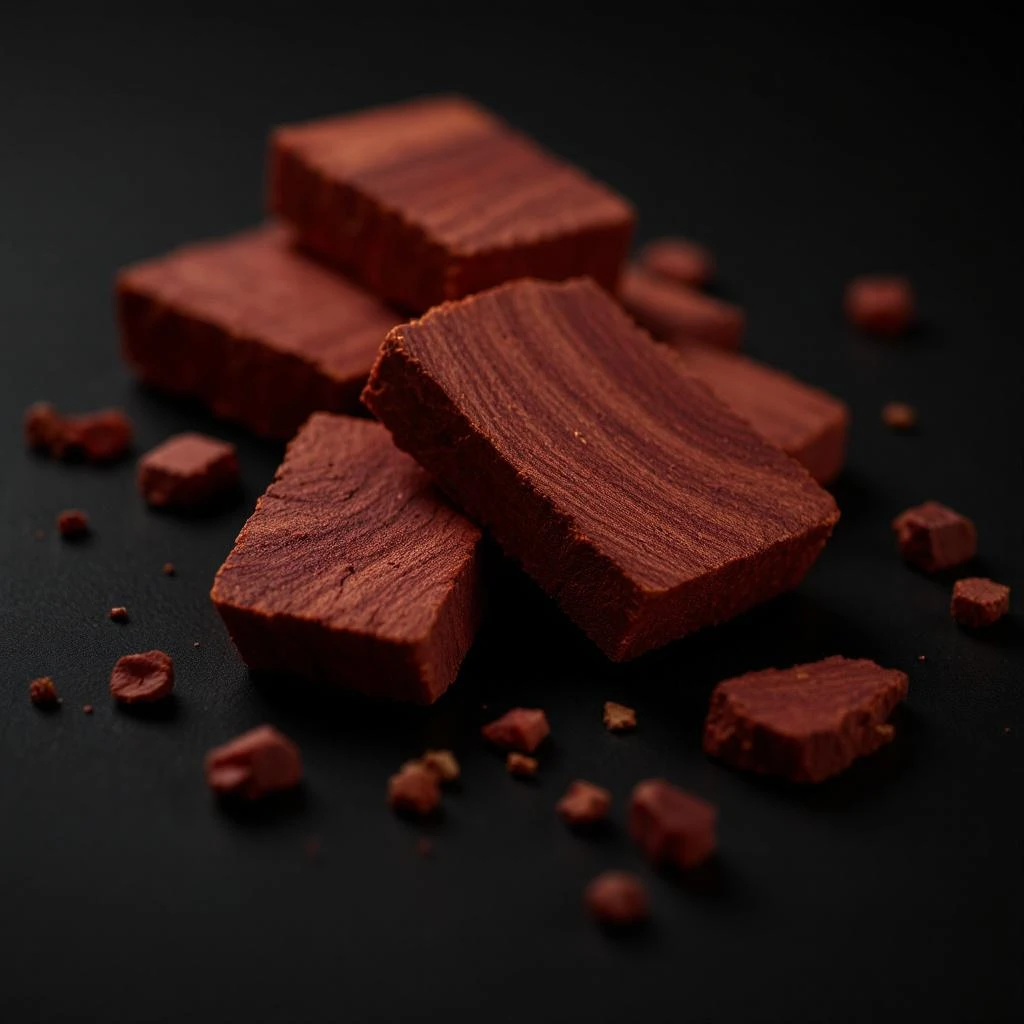
Ghanaian ylang-ylang opens with intensely sweet, heady floral notes reminiscent of ripe banana and jasmine. The West African origin lends slightly deeper, richer warmth compared to Asian varieties, with a creamy, almost tropical custard quality in the dry-down.
Is ylang-ylang used in Chanel No. 5?
Ylang-ylang is indeed one of the signature ingredients in Chanel No. 5. The 1921 formula relied heavily on ylang-ylang from the Comoros Islands, which share similar growing conditions with Ghana's coastal regions.
What are the four grades of ylang-ylang oil?
The four grades are Extra, First, Second, and Third, determined by distillation duration. Extra grade (20-30 minutes) captures the lightest, most delicate floral notes. Longer distillations yield progressively heavier, more balsamic fractions used in different perfumery applications.
Where is Ghanaian ylang-ylang produced?
Ghanaian ylang-ylang essential oil comes from Swedru, a town in the Central Region along Ghana's coast. The plantation operates as a partnership model, providing employment and training in sustainable essential oil production for the local community.
How does origin affect ylang-ylang's scent?
Soil composition, humidity, and harvest timing all influence ylang-ylang's aromatic profile. Volcanic soils produce richer, more complex oil. Ghana's coastal climate creates warm, humid conditions ideal for developing the flower's signature honeyed sweetness.
What fragrance families use ylang-ylang?
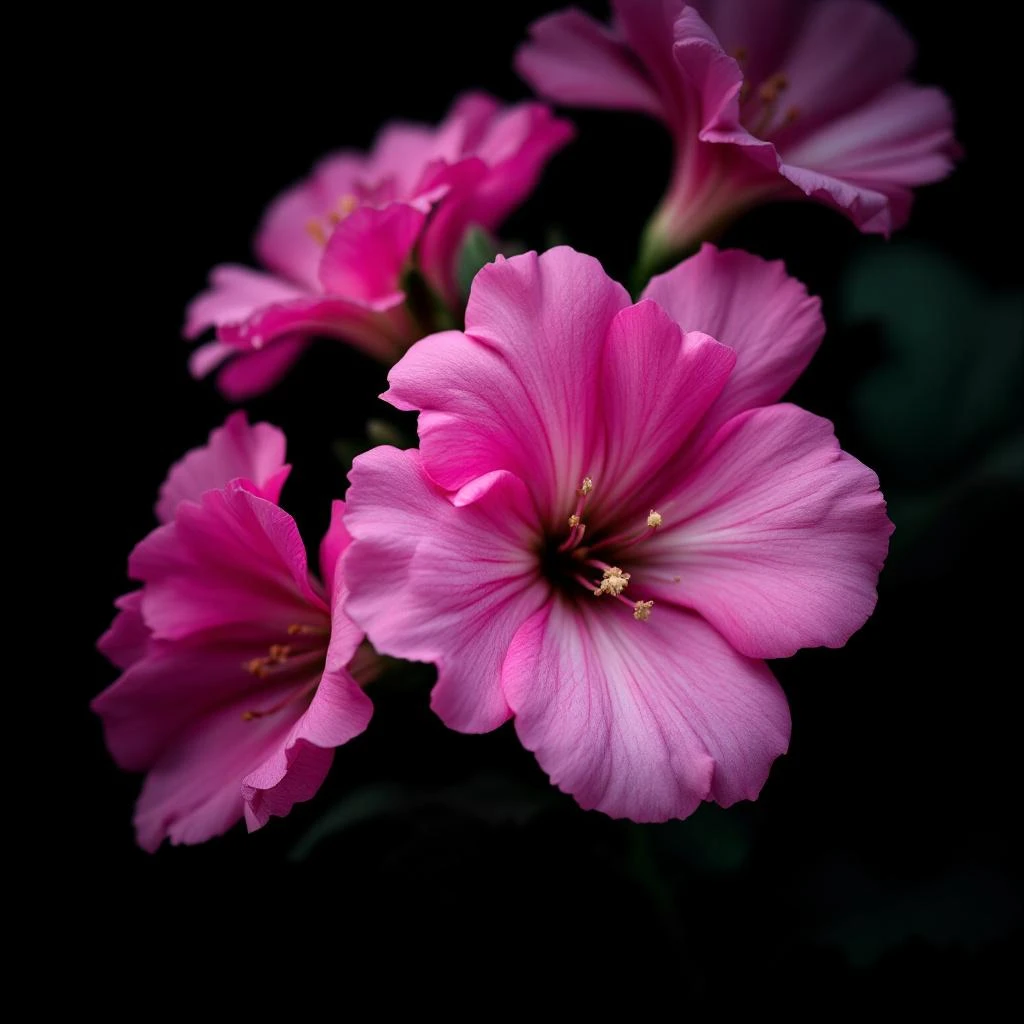
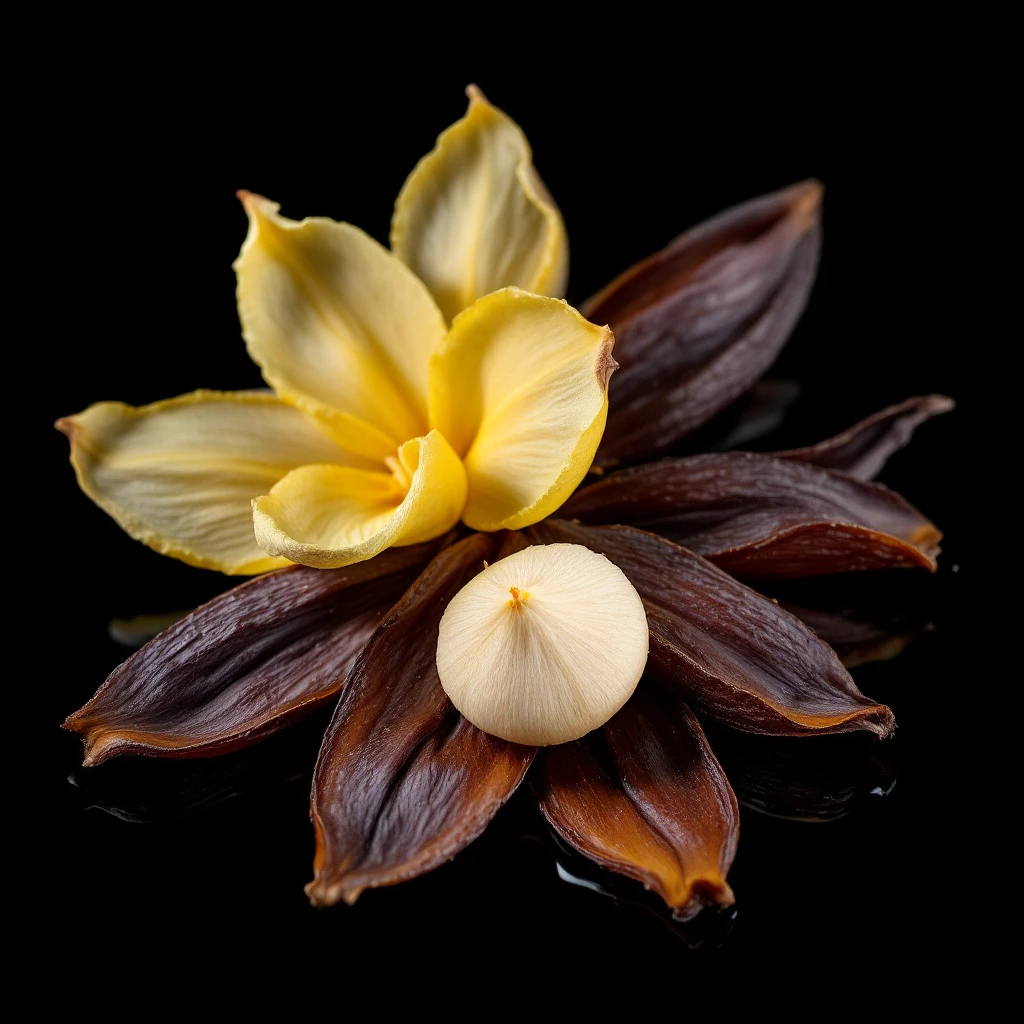
Ylang-ylang appears across floral, oriental, and chypre compositions as a heart note. Its natural sweetness blends seamlessly with sandalwood, vanilla, and citrus. Chanel, Guerlain, and countless niche houses feature ylang-ylang as a signature ingredient.
Is ylang-ylang sustainable?
Ylang-ylang trees take 5-7 years to mature before harvest, but once established, they produce flowers for decades. Responsible plantations like Swedru prioritize shade-grown cultivation and fair labor practices, protecting both ecosystems and worker welfare.
Can ylang-ylang be grown outside tropical regions?
Ylang-ylang requires a warm, humid climate with minimal temperature variation. It thrives only in tropical and subtropical zones between 20 degrees north and south of the equator. Hawaii, the Philippines, Comoros, Madagascar, and West Africa represent the primary growing regions today.





