The Story
Why it exists.
The beginning
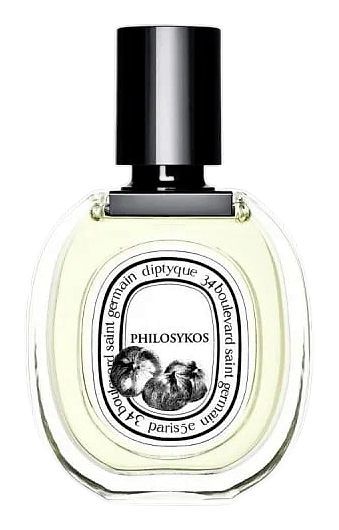
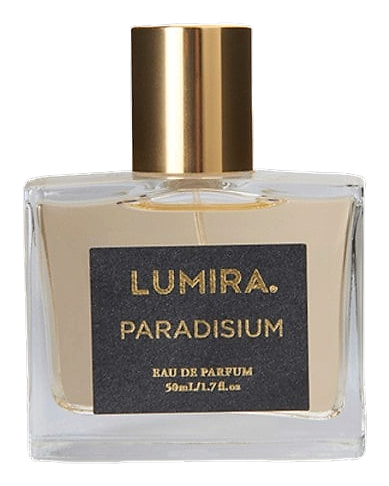
Paradisium launched in 2014 from Lumira's Sydney studio, where Almira Armstrong had been building a niche house around the idea that fragrance should carry you somewhere. The Paradisium Collection reads as an homage to Earth's natural abundance, a Mediterranean nirvana rendered through green fig, bergamot, and a thread of sea air. The composition balances bright citrus and ripe fruit against a grounded, almost marine drydown, neither fully aquatic nor purely gourmand. Green fig lends that softly vegetal sweetness you only get from fruit still clinging to its leaf, while bergamot cuts through with a clean, sun-warmed sparkle. As the top notes settle, the fruit ripens on skin, taking on a honeyed roundness that never tips into syrup.
What makes the composition interesting is the tension between two of its most dominant materials. Fig nectar and guava lean sweet, ripe, almost jammy, the kind of notes that can tip a fragrance into dessert territory fast. But the base pulls in the opposite direction, with seaweed and vetiver adding a green, mineral, slightly bitter edge that keeps the fruit honest. Cedarwood rounds the structure without adding warmth, which means the sweetness never fully blooms. It hangs in suspension. That balance is the entire point of Paradisium, a fig accord that never quite becomes a fig jam.
The evolution
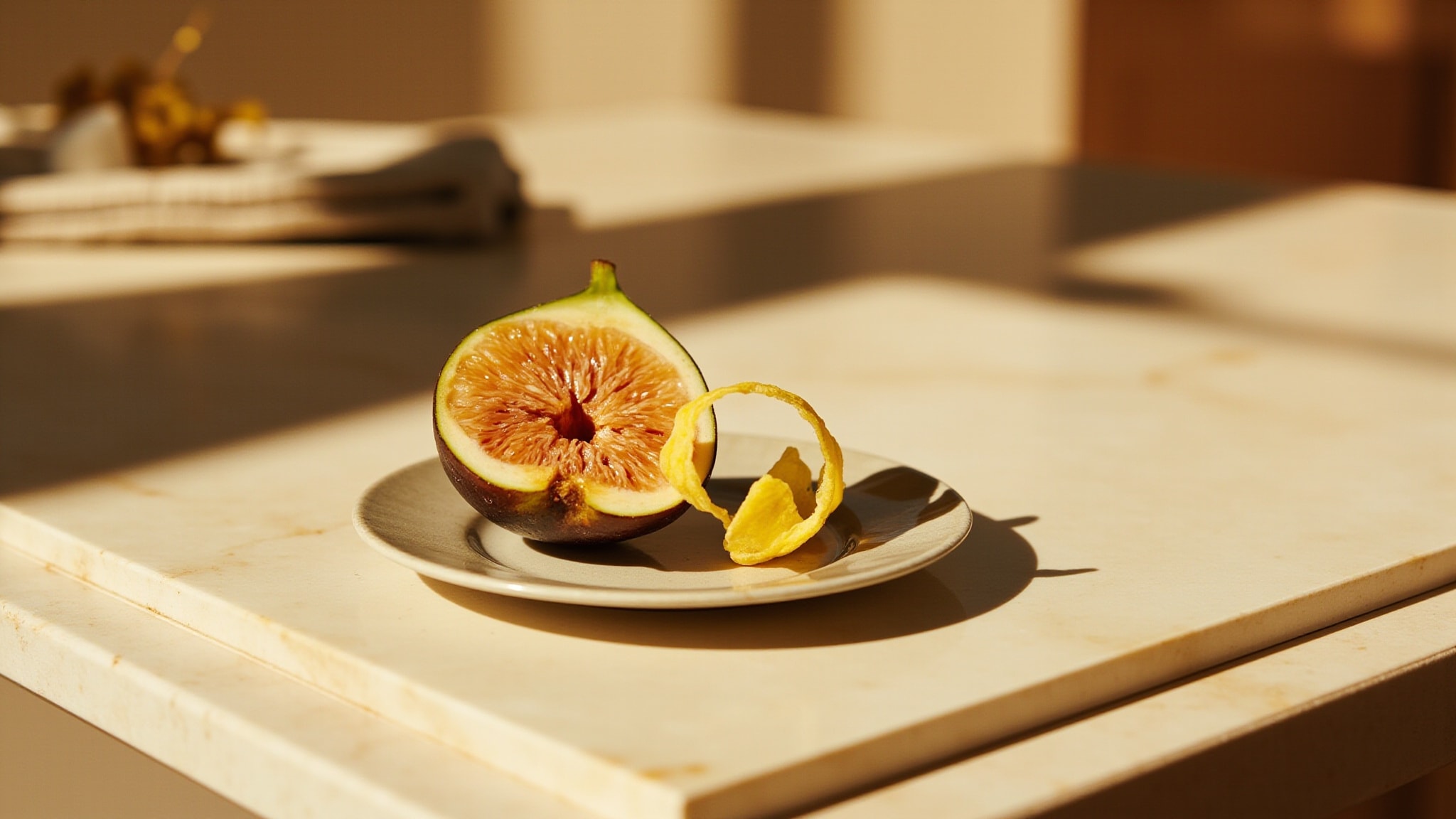
The first 15 minutes are all citrus, sharp grapefruit and bergamot and a curl of lemon peel that practically crackles on skin. It's bright, almost aggressive in its clarity, the kind of opening that announces itself across a room. Then something shifts. The fig arrives soft and green, not the dense jam of a late-summer harvest but the lighter, almost watery sweetness of fruit picked early. Guava threads in alongside, adding a tropical whisper that softens everything without weighing it down. The heart is the longest phase, sitting there for a few hours, fruity and fresh and quietly complex. Around the 4-hour mark the drydown begins to register, and this is where Paradisium reveals its real character. Vetiver grounds the composition with a dry, earthy warmth. Cedar adds a faint pencil-shave woodiness. And then there's the seaweed, the note that separates this from every other fig fragrance on the market. It's not oceanic in a synthetic way. It's more like the smell of rocks after the tide pulls back, briny and mineral and surprisingly comforting.
Cultural impact
Paradisium sits in the fig-fragrance category alongside established references, but its briny, marine base separates it from the sweeter fig compositions that dominate the space. Wearers tend to be the kind of people who choose fragrance for mood over statement, reaching for something that feels like a setting rather than a performance. The seaweed note is what gets people talking, polarizing in a way that makes the fragrance memorable rather than forgettable. It rewards curious noses and tends to underwhelm anyone expecting a straightforward fruit-forward scent.