
The Story
Why it exists.
The beginning
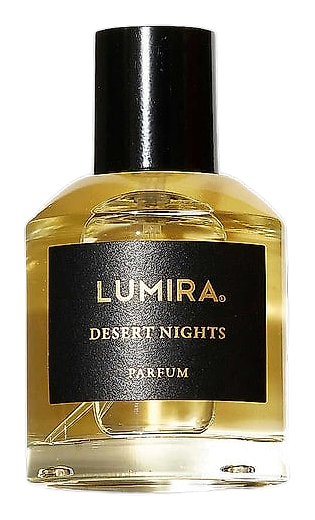
Lumira's founder Almira Armstrong has always believed scent should translate place into feeling. For Desert Nights, that place was Marrakech, not the tourist version, but the city at the edge of night, when the souks quiet and the real character emerges. Perfumer Rebecca Akhyani translated that tension into fragrance: warm materials against cool night air, sweetness against earthiness. The result doesn't smell like a postcard. It smells like being there when the temperature drops and the lanterns come on.
The note structure is built on contrast. Honey and saffron at the top provide warmth and almost edible richness, but they're not the point. They're the light source, not the architecture. Cedar and jasmine form the heart, but they're not delicate florals here. They're shadows, warmth against warmth. The base is where this fragrance earns its name: patchouli, labdanum, peru balsam creating a dark, earthy foundation that doesn't resolve quickly. And then there's the animalic. Not skank, closeness. The warmth of skin in cool air. That's what makes this different from a standard woody oriental. It's not just materials. It's the sensation of being somewhere specific, at a specific moment, with someone.
The evolution
The opening announces itself in thirty seconds. Honey's sweetness collides with saffron's spice, creating an amber glow that reads almost candlelit. Within minutes, leather arrives, not the harsh kind, but authoritative. The kind that owns the room it walks into. That phase lasts roughly an hour before the composition starts its real work. Cedar emerges alongside jasmine, but neither dominates. They're texture, not statement. The real story is the base: patchouli and moss providing mineral earthiness, labdanum and peru balsam adding sticky warmth, sandalwood softening everything into cream. The animalic note, present throughout, becomes more legible as the top notes fade. Not aggressive. Just close. This is a fragrance that stays on skin, on fabric, in the room after you've left. The drydown doesn't resolve so much as persist.
Cultural impact
Desert Nights sits in the lineage of woody orientals that prioritize presence and longevity over discretion. The full pyramid, honey, saffron, leather, cedar, jasmine, patchouli, peru balsam, moss, sandalwood, labdanum, animalic, gives it real substance. It's the kind of fragrance that announces presence without needing to fill a room. For someone drawn to leather-forward orientals and warm spice, this delivers. For someone seeking something quieter, the boldness that defines this composition may be more than they bargained for.
The House
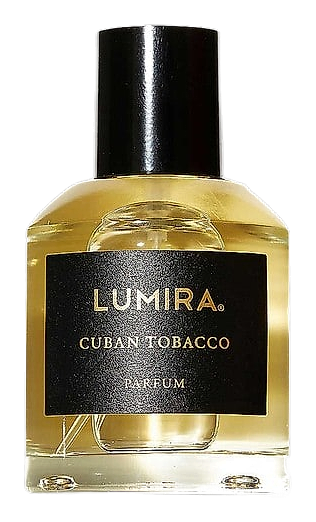
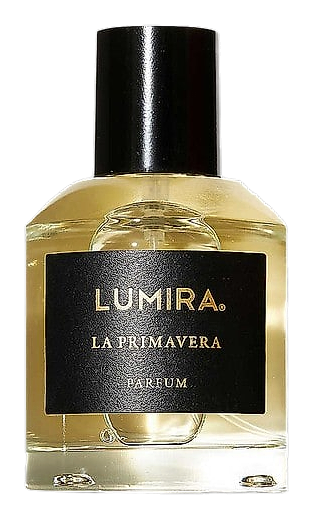
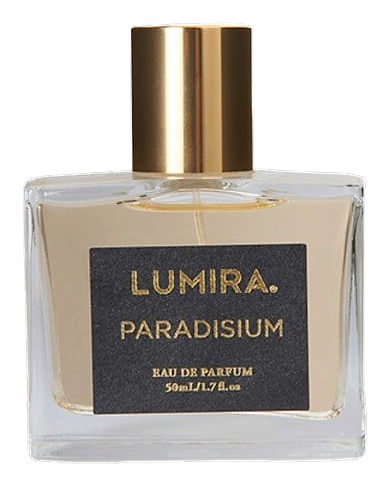
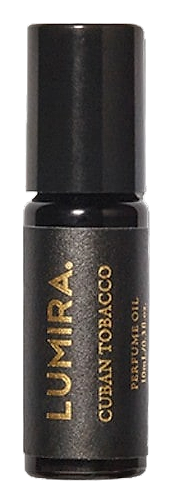
LumiraLumira stands apart in the Australian fragrance landscape as a niche house that treats each scent as a chapter in a larger story. Founded in 2013 by Almira Armstrong, the Sydney-based brand has earned B Corp certification while building a collection that spans continents and memories. From the smoky warmth of Cuban Tobacco to the sunlit florals of La Primavera, Lumira crafts perfumes that feel simultaneously intimate and expansive. Armstrong's background in marketing gave way to a passion for scent layering, and that experimental spirit still drives every release. Each fragrance arrives with a narrative, inviting wearers into a world where geography becomes emotion and memory becomes something you can wear.
The Creator
Rebecca AkhyaniRebecca gravitates toward bright, effervescent top notes. Grapefruit, citrus, and lemon appear frequently in her work, not as fleeting afterthoughts but as deliberate anchors.