The Story
Why it exists.
The beginning
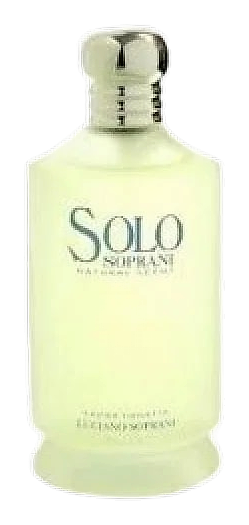
Solo Soprani arrived in 1995, stepping into a fragrance landscape that was starting to prize restraint over excess. The name itself is direct, just the designer, no mythology, no narrative dressing. The notes read like a quiet manifesto: citrus upfront, green florals at the heart, warm woods anchoring it down. It wasn't trying to reinvent anything. It was refining something already understood.
What makes the composition interesting is its discipline. Bergamot and lemon open sharp and clear, the kind of citrus that reads as Mediterranean without reaching for Mediterranean accords. Violet shows up in the top layer, unusual for 1995 when many houses were burying florals under volume. The result is a fragrance that smells like it was assembled with intention, each phase arriving and departing on schedule, nothing overstaying its welcome.
The evolution
The opening hits clean. Bergamot and lemon arrive together, orange giving it sweetness without softness. Violet hovers at the edges, stopping the citrus from sharpening too far. Thirty minutes in, the heart takes over, lavender and rose arrive quietly, cardamom and nutmeg providing warmth underneath. The green from lily of the valley keeps the florals grounded. By the second hour, the drydown announces itself. Amber and cedar arrive slowly, tonka bean adding a powdery sweetness that catches in the warmth. The musk sits close. Oak provides structure without heaviness. On fabric, a faint trace of cedar and amber lingers into the next day. On skin, the full arc runs three to four hours, close enough to notice, never loud enough to announce.
Cultural impact
Solo Soprani sits in that 1995 moment when minimalism was having a genuine conversation with the market. Green-aquatic compositions were the decade's most consistent vocabulary, and this one arrived without overstatement. The audience it found, the wearer who didn't need fragrance to do the work for them, is the same one still seeking it out.