The Story
Why it exists.
The beginning
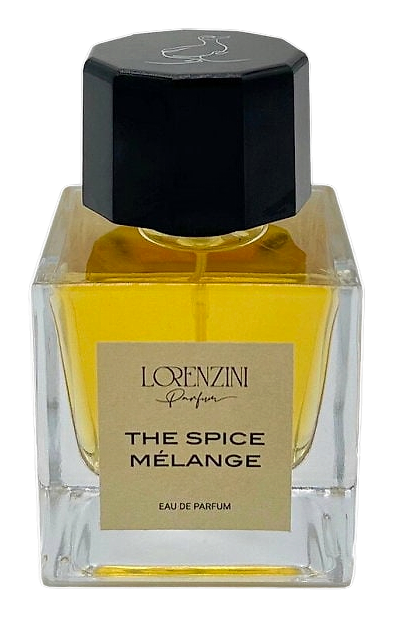
The Spice Mélange arrived in 2024 as a commemoration of the merchants who once moved spice and silk along the ancient trade routes. The composition gathers those aromatic goods into a single bottle, a portrait of the exchanges that shaped how the world cooks, cures, and craves. Every jar in the brief carries weight: pepper, cumin, cassia, clove, nutmeg, cardamom, cinnamon, bark and leaf, all of it sourced from the trade narratives the fragrance sets out to honor. The result is less a recreation of any one marketplace and more a layering of what passed through them, the heat of the road meeting the sweetness of what arrived at the other end.
What sets this apart isn't the volume of spice in the brief. It's the way the materials behave once they're together. Black pepper, white pepper, cumin, cassia, clove, nutmeg, cardamom, cinnamon, and cinnamon leaf form the spine, a nine-spice stack that could easily collapse into noise. Instead, the cane sugar and cotton candy in the heart tilt the whole thing toward something almost edible, almost confectionary, pulling the warmth into something sweeter and stranger.
The evolution
The opening arrives loud, bergamot and a fistful of pepper cutting through the air with almost medicinal clarity. The spices begin to knit together early, cardamom and cinnamon warming into a density that reads less like a scent and more like a room filling with steam. As the composition moves forward, the sweetness surfaces, raspberry and cane sugar and cotton candy moving through jasmine and rose, turning the composition toward something closer to candied fruit dipped in perfume. The spices never leave entirely, but they learn to behave. The base starts to take command as the hours pass, oud, leather, labdanum, and civet pulling the composition downward into something dense and resinous. The vanilla and amber soften the edges, while patchouli and vetiver keep the whole thing rooted.
Cultural impact
The Spice Mélange enters a niche perfumery conversation already interested in dense, story-driven compositions built around heavy spice accords. Worn in practice, it reads as a winter-evening fragrance for someone who wants to be noticed without making the first move, sweet enough at the top to be approachable, dark enough at the base to hold attention. The composition sits comfortably among the heavier spicy orientals of the niche market, drawing on the same well of materials that have made that category a mainstay.