The Story
Why it exists.
The beginning
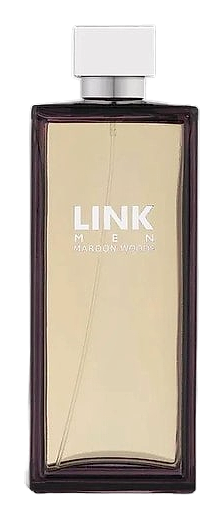
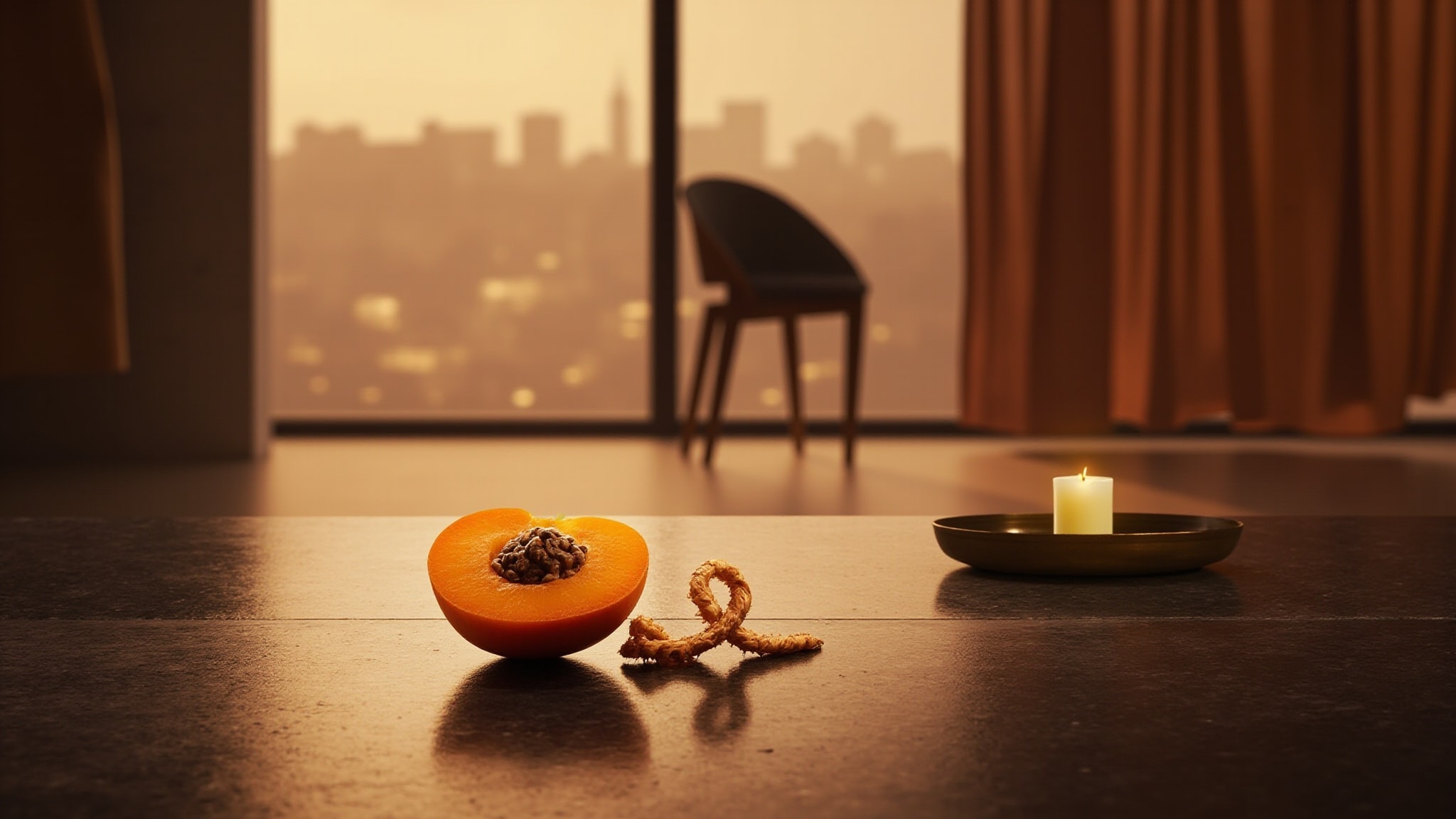
Maroon Woods arrived in 2009, part of Link's early Woods Collection. The maroon in the name isn't a metaphor for danger or seduction. It's the color of polished cedar, of amber in low light, of the kind of warmth that takes its time revealing itself on skin. The composition wears its woods alongside fruit, florals, and a confident dusting of vanilla, giving the fragrance a layered character that feels both grounded and inviting. Apricot brings a fuzzy sweetness to the top, brightened by a slice of lemon that cuts cleanly through the opening. Lavender anchors the early stages with an aromatic, herbal structure that holds everything in place without pushing into cologne territory.
What makes this composition interesting isn't any single note. It's the friction between them. Apricot and lemon don't usually share a sentence with lavender, jasmine, and rose, and that floral quartet doesn't usually resolve into cedarwood and vanilla. Link treats these contrasts like a mood board rather than a pyramid, pulling warm, powdery, and fresh-spicy registers from materials that could have gone in a dozen different directions. The result reads composed instead of chaotic.
The evolution
The opening is immediate and a little surprising. Apricot shows up first, fuzzy and sweet, with lemon sliding in just behind it like a cold knife across a warm peach. Lavender is the quiet anchor, aromatic enough to give the top its structure without tipping into cologne territory. For a good stretch at the start the whole thing smells like a dressed-up fruit bowl, bright and a touch powdery from the get-go. Then the florals arrive. Rose opens the door, orange blossom follows with a dewy creaminess, and geranium adds that slightly green, slightly peppery edge that keeps jasmine from going too sweet. This is the longest phase. The heart holds court for an extended run, warm, round, never heavy. The jasmine never gets indolic, the rose never goes soapy, and the orange blossom stays luminous rather than overwhelming.
Cultural impact
Maroon Woods arrived in 2009, and it built something specific: a cedar-centered composition where rose, orange blossom, and jasmine share the heart of a men's-leaning fragrance alongside apricot, lemon, and a warm vanilla base. The structure is distinctive because the rose isn't treated as a feminine flourish. It sits at the center of the composition, held in place by geranium's green-pepper edge and orange blossom's dewy creaminess, with the woods underneath giving everything a grounded, wearable character.






















