The Story
Why it exists.
The beginning
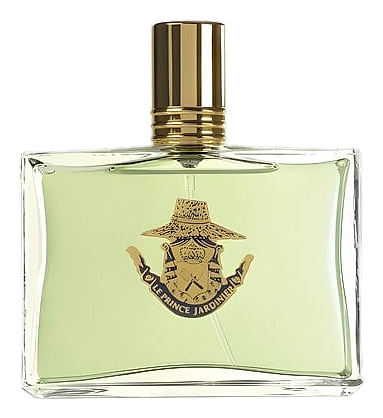
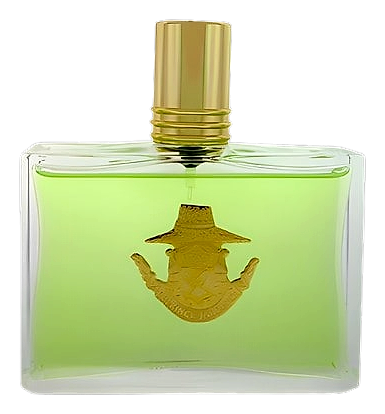
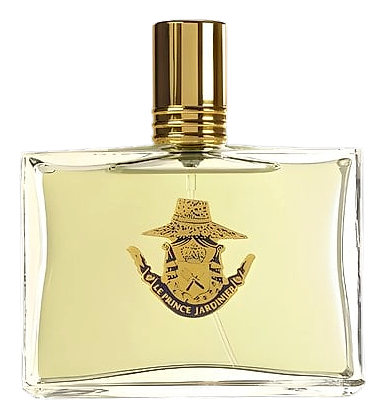
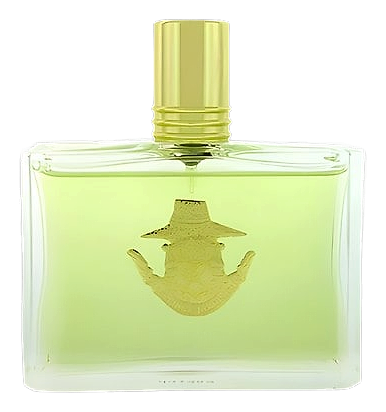
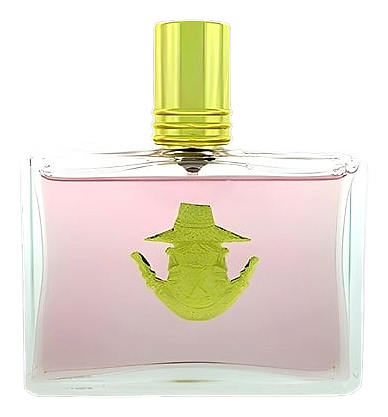
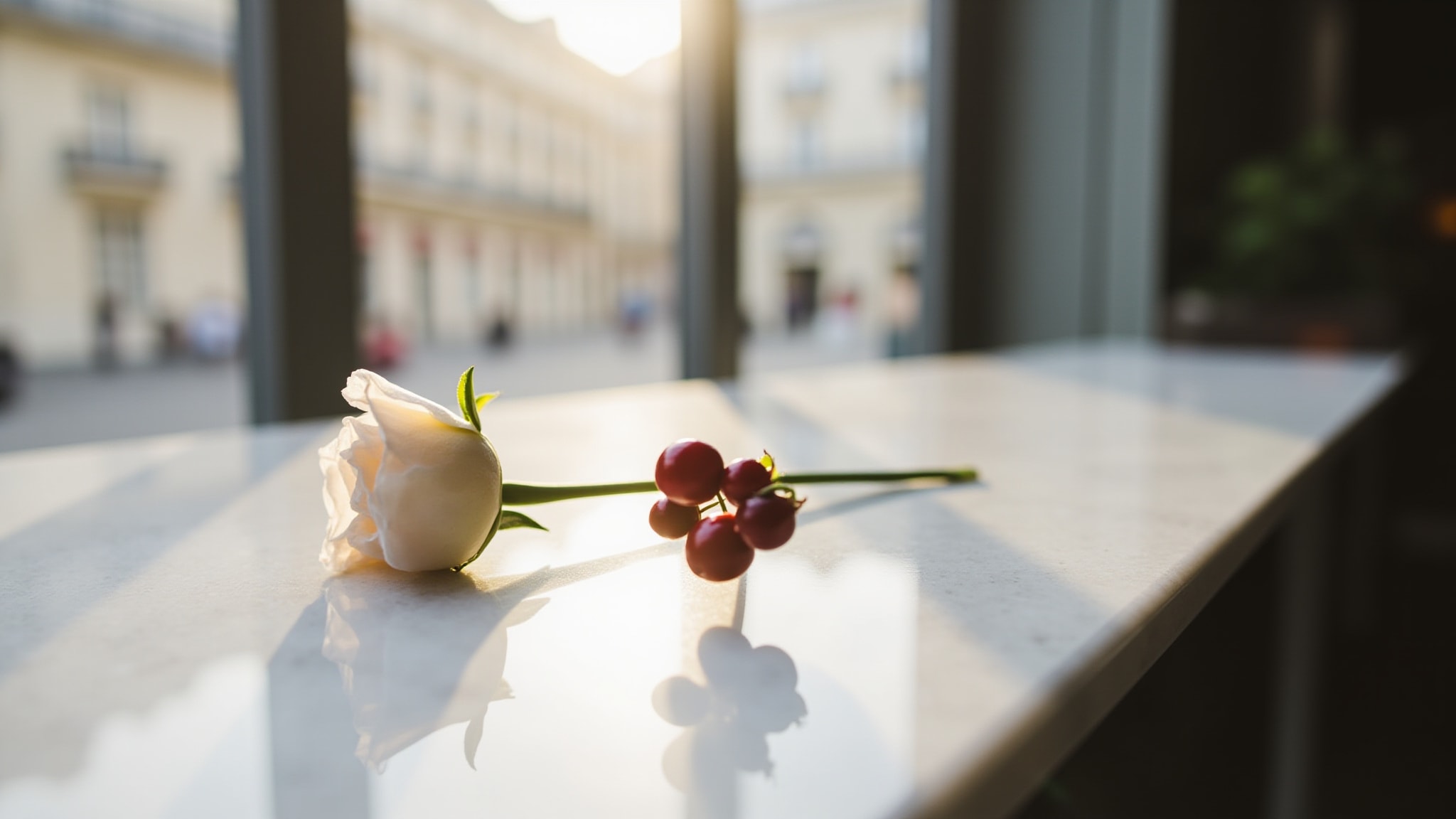
Bouton de Rose draws its inspiration from the beauty of an English rose garden, a vision tied to Le Prince Jardinier himself. The name points toward the flower itself, while the composition extends well beyond a simple rose portrait. Cranberry brings a tart, contemporary snap to rose, peony, and freesia, keeping the floral heart from becoming too soft or too saccharine. Papyrus and incense introduce a drier, more architectural side, almost like dry leaves and warming resins curling through the petals. Amber and musk give the bouquet a lingering warmth, anchoring the brighter fruits with a deeper, golden undertone. There is a clear garden impression at the center, but the supporting notes keep it grounded, wearable, and modern.
The interesting part is the tension between softness and structure. Rose, peony, and freesia supply the romance, while cranberry adds a clear, almost cordial brightness. Papyrus, incense, and frankincense create a subtle textural counterweight, preventing the floral notes from becoming syrupy. Amber and musk then gather everything into a smooth finish. The composition is distinctive because its bouquet feels lived-in rather than precious, with fruit and incense walking beside the petals.
The evolution
It begins with a quick lift of cranberry, tart and clean against the soft floral promise of rose and freesia. There's a bright, almost crystalline snap to those opening moments, as though a handful of ripe berries has been dropped into a bowl of petals. As the opening settles, peony and rose widen into the center of the composition, joined by white floral jasmine and the more sculptural presence of tuberose. The florals seem to breathe outward, gaining body and fullness without ever losing transparency. Papyrus adds a pale, papery dryness, while incense and frankincense bring a low, smoky edge that tucks beneath the petals like smoldering wood. The bright fruit gradually recedes, and amber takes over with a warm, rounded sweetness. Musk remains close to the skin, giving the final hours a clean, skin-like softness that feels calm and reassuring.
Cultural impact
Bouton de Rose presents floral fragrance as a daily practice rather than a decorative gesture meant for special occasions alone. Its rose is polished but not precious, pairing the familiar flower with fruit, papyrus, and incense for a composition that feels current rather than retro. The blend borrows the comfort of a classic rose soliflore and updates it with sharper edges and resinous depth, which keeps it grounded in how people actually wear perfume today. It sits comfortably beside both sporty fragrances and heavier orientals because the fruit and incense give it enough contrast to stand apart.
The House
Le Prince JardinierLe Prince Jardinier is a French lifestyle brand founded by Louis Albert de Broglie in 1995, rooted in the art of living inspired by gardens. The brand began as a gardening and outdoor living concept, offering clothing, tools, garden furniture, and decorative objects. Its perfumery line extends this philosophy into wearable scent, capturing botanical and garden-inspired olfactive experiences. The brand operates as part of Deyrolle SAS, connecting it to a lineage of natural history and nature appreciation in French culture. Le Prince Jardinier bridges the cultivated garden with everyday life, translating horticultural beauty into multiple expressions including fragrance.
The Creator
Richard IbanezRooted in Robertet's naturals heritage, Ibanez gravitates toward ingredients that carry genuine botanical character rather than synthetic facsimiles. His work spans surprising territory: he composed the effervescent Gimgembre with its champagne-like grapefruit and candied ging…