The Story
Why it exists.
The beginning
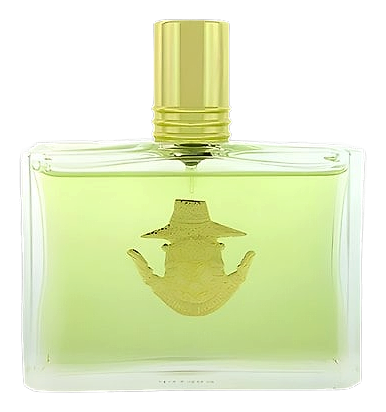
Michele Saramito designed Citrus Allegro as a morning fragrance in the truest sense, not a wake-up call, but the hour after the alarm when the world hasn't yet decided what kind of day it's going to be. The name is programmatic: allegro, in music, means fast and bright. Saramito took that literally. Grapefruit, lemon, petitgrain, basil, a top chord built for people who don't want to ease into their morning. What distinguishes this from a standard citrus cologne is the herbal backbone. Basil and petitgrain bring a green, slightly bitter undertone that keeps the grapefruit from smelling like a kitchen cleaner. The white florals in the heart, jasmine, lily of the valley, are present but restrained, there to soften the edges rather than take over. It's a composition that treats the garden as a place you work, not just a view you admire.
The real distinction sits in the interplay between basil and moss. Basil is a top-note material, bright, volatile, gone within the first hour. Moss is a base-note anchor, slow to develop, lasting through the drydown. In Citrus Allegro, Saramito built a bridge between them with jasmine and lily of the valley, so the green quality doesn't disappear when the basil fades, it deepens, becomes earthier, more botanical. The ambergris adds a slight mineral salinity, a nod to the sea that often sits just beyond a Mediterranean garden. This isn't a fragrance about any single material. It's about the transition: from the sharp clarity of morning herbs to the settled quiet of damp earth.
The evolution
It opens bright. Grapefruit and lemon hit together, sharp enough to cut through sleep, followed immediately by basil, that herbal, slightly peppery green that separates this from any standard citrus. The lemon fades first, within the first thirty minutes, leaving the grapefruit and basil to negotiate the next hour. Then the jasmine arrives, soft and almost waxy, followed by lily of the valley. The florals don't arrive so much as settle, they don't compete with the citrus, they contextualize it. By hour two, the top notes have largely gone quiet. What remains is the moss and ambergris, a cool mineral base that smells like garden soil after rain, with a trace of the basil still holding on underneath. On clothing, the drydown can last into the following morning, a faint green-musky warmth that smells like someone who's been working outside. Moderate sillage throughout. Not a fragrance that announces itself. A fragrance that lingers where you were.
Cultural impact
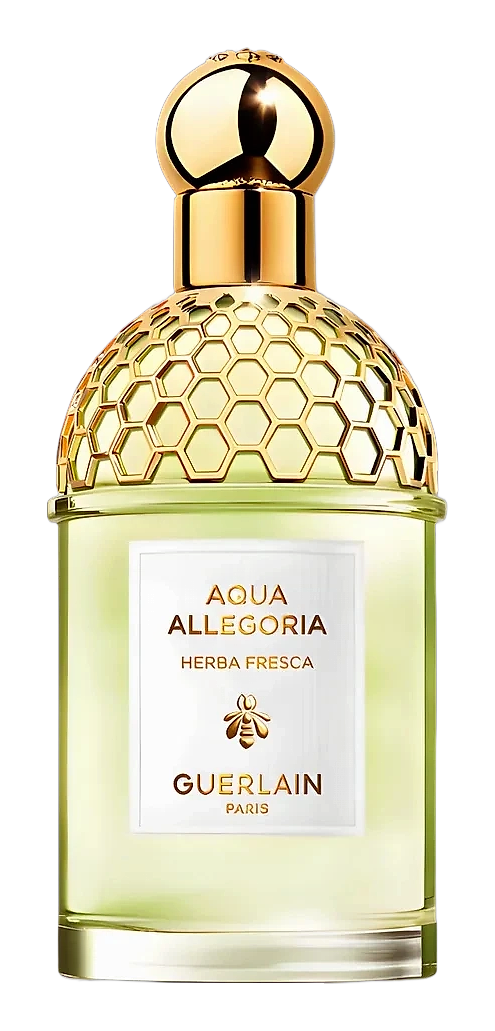
Citrus Allegro sits in a category with other aromatic-citrus fragrances: Guerlain Aqua Allegoria Herba Fresca, Dior Diorissimo, and Hermès Eau des Merveilles. What distinguishes it is the basil, an unusual top note that moves it slightly out of the safe, mass-appealing citrus space. The fragrance has been discontinued, which has made it harder to find but also more interesting to those who seek it out. Community reviews note that it can evoke cleaning products for some wearers, an association that's hard to fully escape when lemon and grapefruit are used at this concentration, but which speaks to the fragrance's genuine brightness rather than any synthetic deficiency.