The Story
Why it exists.
The beginning
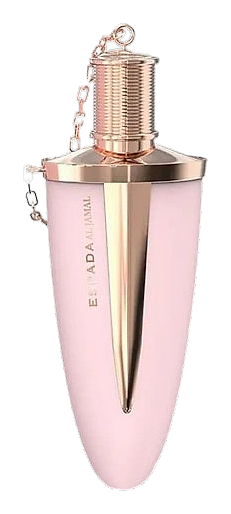
Espada Al Jamal was composed with a sense of intention, treating fragrance as a quiet form of self-presentation, a private signal one adjusts before stepping into the world. Le Chameau built the composition around white pepper as a symbol of resolve, the kind of bite that says you are awake and paying attention. The opening citrus and green notes were tuned to feel bright, clear, and a little brisk, the kind of cold snap that arrives just before warmth settles over everything. The brand positioned it as a considered choice, something you reach for deliberately rather than something you grab without thinking, a scent that earns its place next to the rest of what you carry with you.
Behind the marketing, the juice leans on a floral woody musk framework dressed up with modern pepper, and that tension between softness and sharpness is really the point. Le Chameau has long had a sense of who it's speaking to, and Espada Al Jamal was their move toward buyers who wanted something cleaner and less sweet than the heavier profiles that had gone before. The result is a scent that reads as composed and alert, a composition where the green-pepper snap feels precise rather than aggressive.
The evolution
When Espada Al Jamal first hit shelves, the immediate conversation was about the white pepper, with that note defining the first impression more than any other element in the blend. The fragrance reveals itself in stages, and the opening carries the sharpest expression of the pepper, cutting through the citrus with a bite that demands attention. As the top fades, the composition becomes softer and more skin-like, the green notes settling into a quieter herbal dryness that hangs around the collar and cuffs for hours. The bergamot adds a steady brightness to the early drydown, lifting the spice and keeping the whole thing from collapsing into pure wood, while the white pepper gradually shifts from a sting to a slow warmth that sits closer to the skin.
Cultural impact
Espada Al Jamal entered a regional conversation about what contemporary Arabic perfumery could look like, and it became a small reference point for a particular direction in composition that many newer buyers were already curious about. The white pepper note, unusual and confident, gave the scent an identity that set it apart from the heavier, sweeter profiles that had long dominated the market. That sense of distinction mattered in Gulf fragrance circles, where buyers were increasingly looking for something that felt clean, modern, and slightly unexpected without abandoning the warmth and richness that define the regional style.