The Story
Why it exists.
The beginning
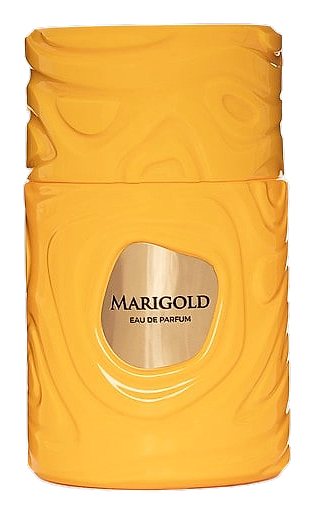
Marigold arrived in 2024, the kind of release that pushes a fruit-forward oriental into territory most wouldn't expect. The composition skips the heavy resins and smoke that anchor so many compositions in this space, building instead around mango and red fruits as its central characters. There's a brightness here that feels deliberate, almost studied: the fruit is generous, the supporting notes are warm but clear, and nothing drowns out what makes the opening so immediately likeable. A fruit-forward oriental that doesn't apologize for being exactly that, wearing its sweetness openly and letting the coumarin and cypriol do the structural work without ever pulling the whole thing into darkness.
The unusual move here is pairing tropical fruit, specifically mango, with cypriol in the base. Cypriol, also called nagarmotha, is a root oil with an earthy, almost leathery depth that grounds compositions without darkening them. That choice gives the fruit a different kind of architecture than the usual creamy scaffolds, and the coumarin in the heart reinforces it: a warm, hay-like sweetness that bridges the bright top and the rooted base, making the whole composition feel like sunlight filtered through something older.
The evolution
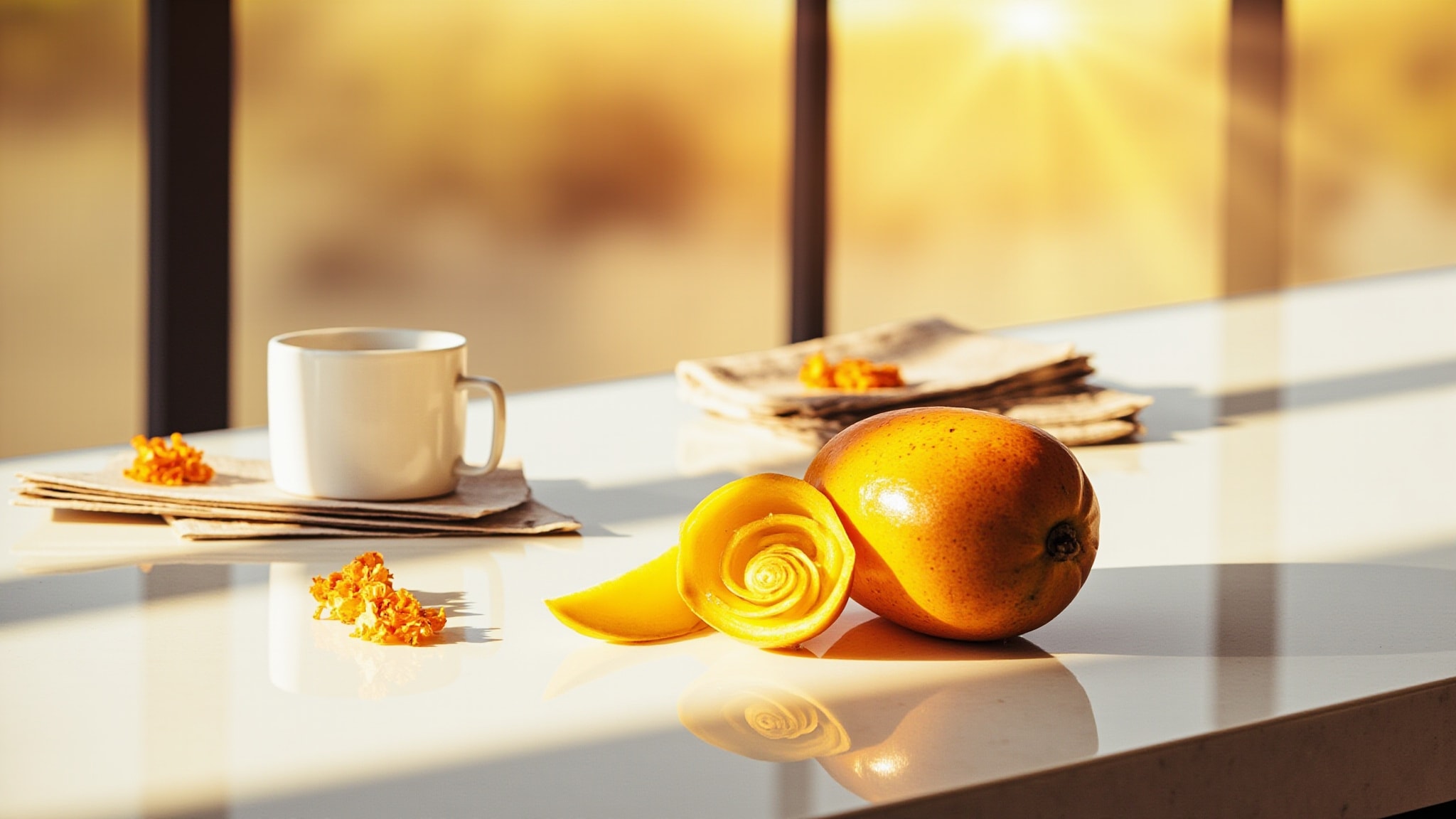
The first twenty minutes belong entirely to the fruit. Mango arrives first, big and unmistakable, then red berries sharpen the edges and ginger adds a clean, almost medicinal warmth. Lemon sits underneath, bright but not loud, more like acidity in the fruit itself than a separate citrus accord. By the thirty-minute mark the coumarin steps forward and the whole composition turns warmer, hay-like, slightly toasted. The jasmine is barely a whisper here, more suggestion than statement, tucking itself behind the coumarin and cedarwood. An hour in, the fruit is a memory and the base takes over: cypriol gives it that earthy, rooty weight, amber smooths everything, and musk keeps it close to skin. The drydown settles into a soft amber-musky warmth that's closer to skin scent than sillage by the end, a quiet fade that leaves the cedar and amber lingering as a low hum rather than a projection.
Cultural impact
Marigold occupies an unusual corner of the fragrance landscape, anchored by a mango and red fruit opening that feels warmer and more grounded than most tropical-leaning compositions. The similar-fragrance data points to Stéphane Humbert Lucas's Soleil de Jeddah Mango Kiss, another mango composition, which suggests the two share a certain territory even if they take different paths to get there. The cypriol base gives Marigold a rootedness that keeps the fruit from feeling detached, and the coumarin bridges the bright top and earthy bottom with a sweetness that reads almost edible at times.