The Story
Why it exists.
The beginning
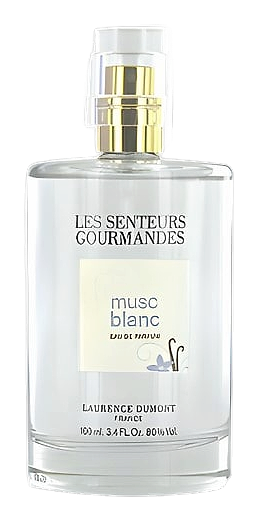
Philippe Collet signed his name to Musc Blanc in 2009, and the composition tells you almost everything about the intentions behind it. The center of gravity here is ambrette, the seed perfumers have leaned on for decades as a stand-in for actual musk, prized for its milky, slightly vegetal softness that reads less like a fragrance note and more like the residue of warm skin. There's no fireworks, no grand statement, no attempt to fill a room or announce the wearer's arrival. What you get instead is the smell of someone who stepped out of the bath five minutes ago and hasn't quite decided what to do next.
Ambrette is doing something clever here. It's listed as both a top note and a base note, which means the perfumer wanted that warm, slightly nutty, musky-seed quality threaded through the entire arc, not just hanging around at the end. The heart uses tarragon as an unexpected counterpoint, bringing a faint green-anise edge that keeps the florals from going too soapy. Lily of the valley and rose supply the traditional white-floral backbone. The result is a composition that reads as a single material rather than a pyramid, which is exactly the point when you're trying to smell like skin.
The evolution
Musc Blanc opens with the cool, slightly cottony impression of ambrette seed, almost like the ghost of a warm towel. There's a vegetal sweetness to it, not candy-sweet, more like the inside of a fresh almond, that soft marzipan flicker without any of the sugar. That settles as the heart moves in, and here's where the tarragon earns its place, a quiet anise-green flicker behind the lily of the valley and rose, keeping the florals lifted instead of heavy, preventing the muguet from going soapy and the rose from turning into potpourri. For a long stretch, the whole thing reads as a single, soft, powdered floral, the kind that hovers an inch from your collarbone rather than filling any room.
Cultural impact
Musc Blanc is the kind of composition that whispers rather than announces, a fragrance built around the quiet pleasure of clean-skin musk and the intimate space between the wearer and their own skin. It treats scent as something personal, something close, something meant to be discovered by proximity rather than projected across a room. In that sense, it belongs to a particular lineage of compositions that prize softness over statement, intimacy over spectacle, the quiet confidence of a fragrance that knows it doesn't need to fill a space to be noticed.
The House
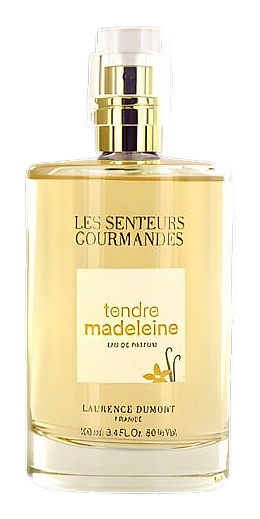
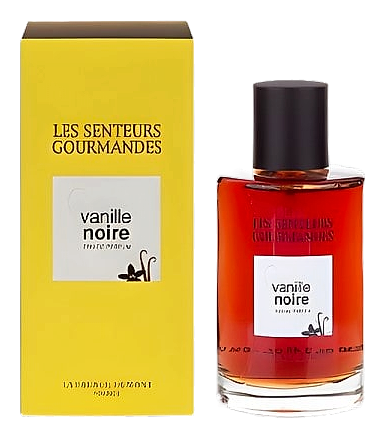
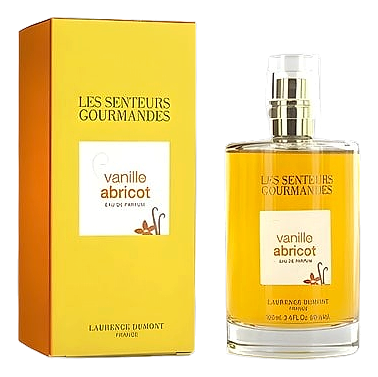
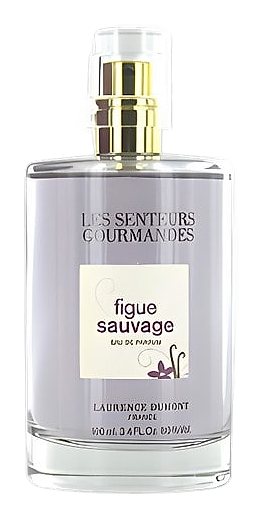
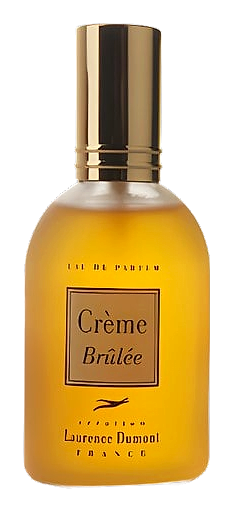
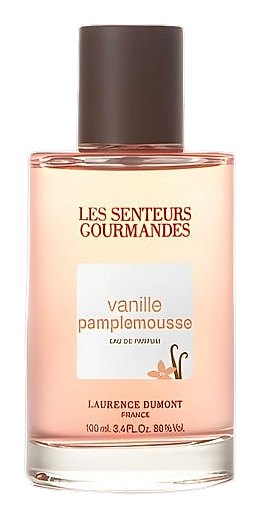
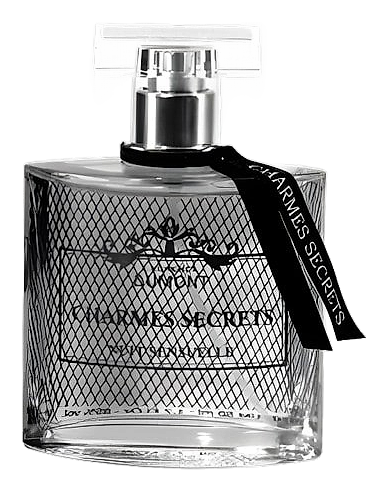
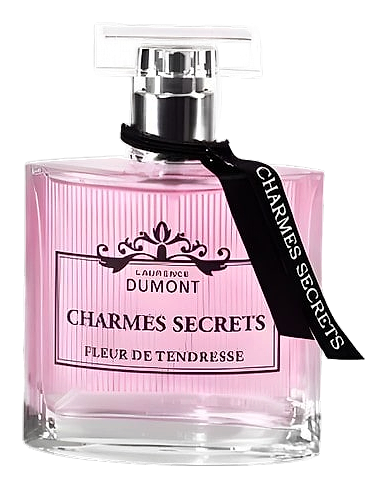
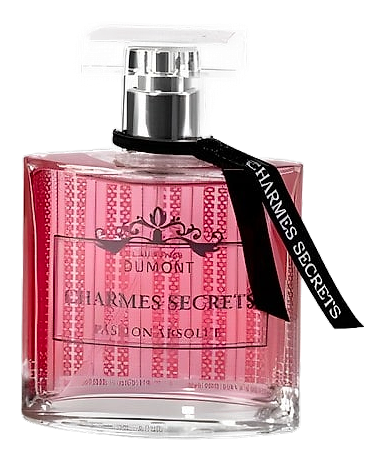
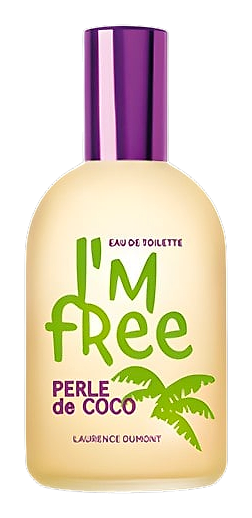
Laurence DumontLaurence Dumont is a French fragrance house recognized for its gourmand and floral compositions, particularly its extensive vanilla-centric collection. The house has developed a distinctive catalog featuring warm, edible-inspired scents alongside more ethereal floral offerings. Fragrances such as Vanille Bourbon, Tarte aux Myrtilles, and Prune Jasmin showcase a playful yet refined approach to French perfumery, blending comfort with elegance. The brand maintains a presence in niche fragrance circles with creations that appeal to those seeking accessible yet distinctive scents.
The Creator
Philippe ColletWhile specific commercial creations remain limited in public documentation, Collet's teaching style reveals a technical approach grounded in classical Grasse methodology. He works extensively with natural raw materials, guiding students to recognize the complexity within indiv…