The Story
Why it exists.
The beginning
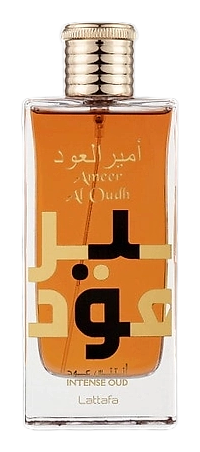
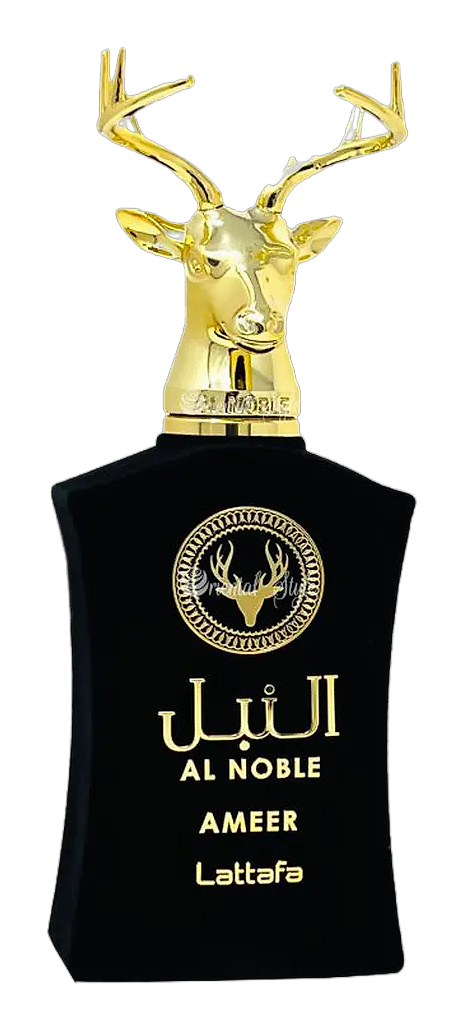
Ameer is Arabic for prince. That naming wasn't accidental. The fragrance was built to embody a specific kind of power, quiet, assured, unhurried. Not the kind that enters a room demanding attention. The kind that enters a room and the room notices. This is oud reimagined for the wearer who wants depth without loudness, warmth without weight. Lattafa's heritage in Arabian perfumery gave the house the ingredient knowledge to build something like this, oud that could anchor a composition without burying everything around it. The name Ameer says what the scent does: arrive with intention, leave an impression.
What makes this composition interesting is the architecture. Most oud fragrances lead with the destination, they open heavy and stay heavy. Ameer inverts the structure. The top is fresh, almost sparkling: pink pepper that bites, apple that cuts sweet, rosemary that grounds it in green herbal cool. Then the hand-off. The cloves arrive not as a shock but as a warmth that spreads. The florals, unnamed in the pyramid, but present, soften the transition between bright and dark. By the time oud establishes itself in the base, you've been prepared for it. The oud doesn't ambush the wearer. It arrives like a guest who was invited and belongs there.
The evolution
The opening hits fast, pink pepper and apple almost aggressive in their clarity. Rosemary keeps it from being sweet. For the first fifteen minutes, this smells like a sharp herbal fruit, not an oud fragrance at all. Then the cloves. Not a jolt, a warmth that builds in the chest, spreading outward. The florals in the heart are doing quiet work here, preventing the spices from becoming something clinical. What arrives in the base is where the commitment pays off. Oud and patchouli settle into something resinous and deep, labdanum adding a resin thickness that clings to skin. Vetiver and cypress dry it out just enough to prevent heaviness. Six hours later on skin, the oud and vetiver remain, smoky, slightly mineral, like old wooden furniture in a warm room. On fabric, it lasts until the next wash. That's the trade: a sharp opening, a prince at the end.
Cultural impact
Ameer enters a market that has grown more crowded with warm, oud-forward fragrances from Middle Eastern houses. What sets it apart is the structural choice to build from brightness to depth rather than leading with the destination. For many wearers, this is the bridge between wanting an oud composition and feeling intimidated by one. The opening, sharp, fruity, herbal, makes the warm spicy base approachable. That's the move. It doesn't abandon the tradition; it gentles the introduction.