The Story
Why it exists.
The beginning
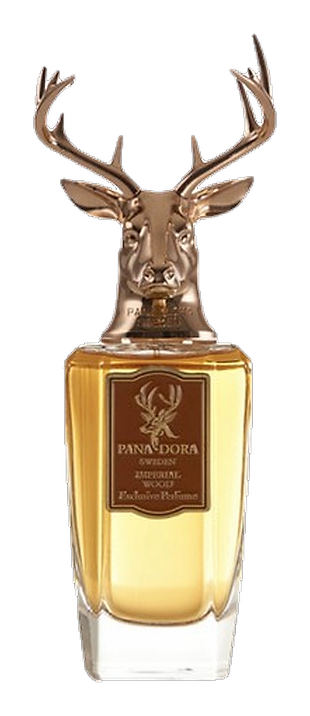
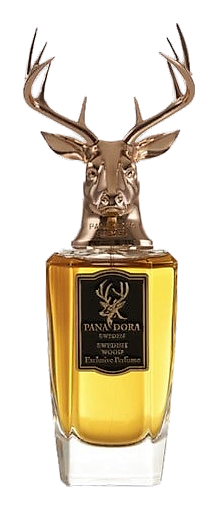
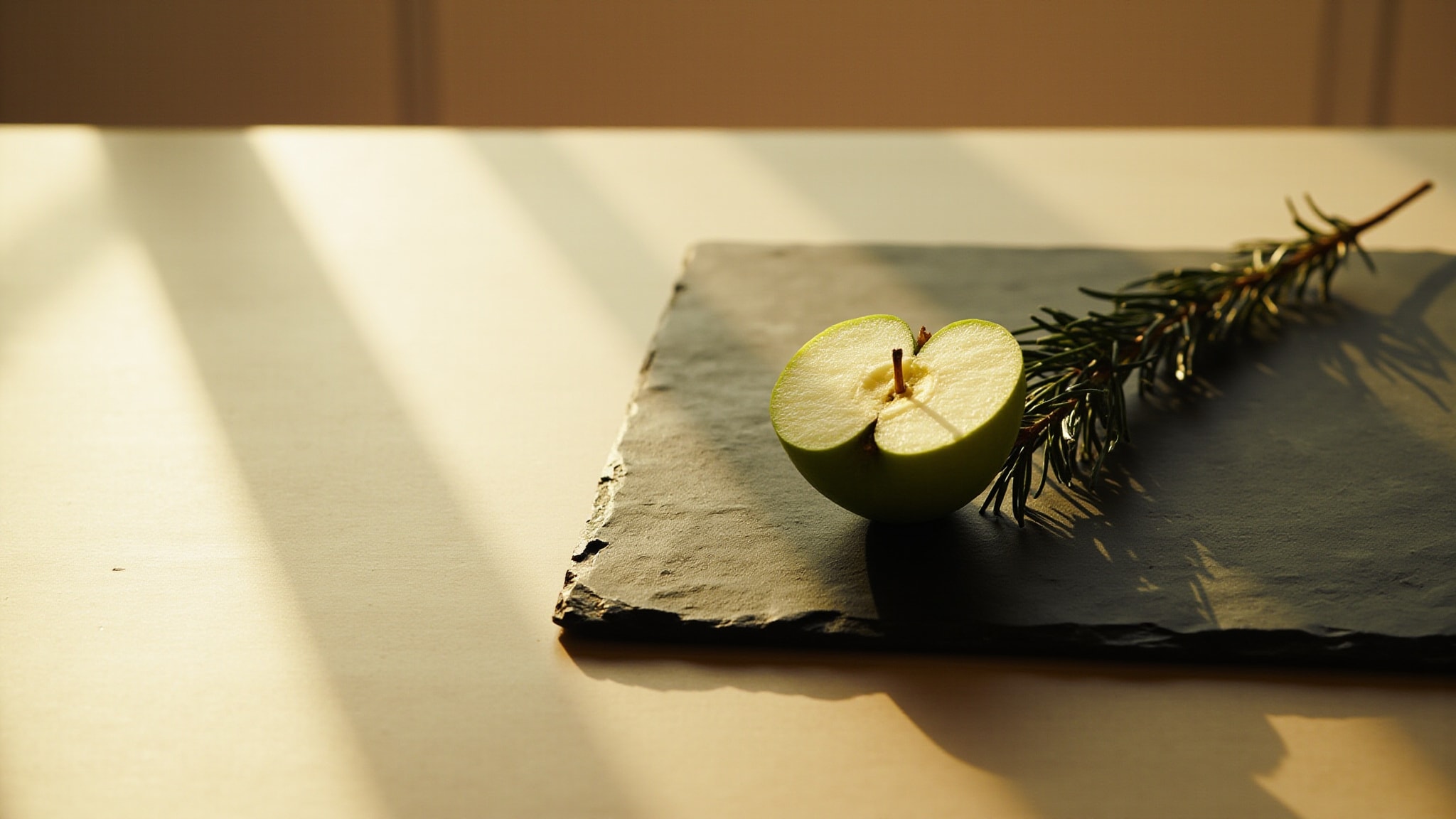
The name is not metaphorical. Sweden, seventeenth century, dense forests stretching across the landscape, a defining characteristic that still shapes the country's identity today. Ibrahim Al-Zoubi built Swedish Wood from that idea: the freshness of Scandinavian nature layered against its darker, more resinous depths. Bright apple and rosemary at the opening to evoke morning light filtering through pine. Bulgarian rose as the heart, a cultivated warmth that prevents the composition from going cold. Then the base: oud, patchouli, vetiver, labdanum, the forest floor, the resinous heartwood, the darkness that makes the light meaningful. A fragrance named for a place, capturing both its beauty and its depth.
The top and base notes work together in the composition, not just alongside each other. The pink pepper and apple arrive bright and almost playful, and the Bulgarian rose doesn't soften it; it complicates it, adding a spiced floral dimension that keeps the freshness from becoming fleeting. The real story, though, is the base. Cypriol, sometimes called cypriol or nut grass, adds an earthy quality that most fragrances in this genre avoid. It's not a comfortable note.
The evolution
The opening announces the first thirty minutes. Apple and pink pepper open bright, almost fizzy, with rosemary cutting through like a cold draft. It's fresh, it's green, it reads as daytime. Then the Bulgarian rose arrives, and something shifts. The rose isn't delicate here, it's spiced by the cloves in the heart, which means the floral dimension carries weight. This isn't a fragrance that transitions from bright to soft. It transitions from bright to layered. By the second hour, the oud begins to surface, gradually becoming noticeable. The vetiver and patchouli take over from there, and the composition enters its final phase: dry, resinous, earthy. Labdanum gives it a faintly honeyed warmth without sweetness. Cypriol keeps it grounded.
Cultural impact
Swedish Wood occupies an unusual position in the niche fragrance world. It borrows from both the freshness of northern European perfumery and the resinous depth of Middle-Eastern tradition. This is not the aggressive oud statement of some houses, nor the minimal approach of many Scandinavian brands. Instead, it finds a middle path that appeals to collectors who value depth over flash. It sits alongside compositions like Frédéric Malle's Promise, not as a clone, but as a different answer to the same question: what happens when you pair floral warmth against woody darkness?