

The Story
Why it exists.
The beginning
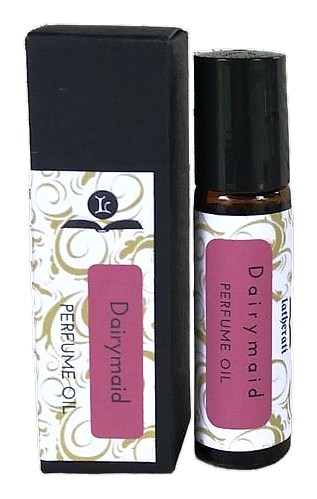
Dairymaid takes its name from Thomas Hardy's Tess of the d'Urbervilles, the literary work that inspired the fragrance. Latherati frames the composition with milk, honey, vanilla, tonka bean, sandalwood, musk, and amber. That combination gives the name its atmosphere, connecting the fragrance's listed notes with the novel it references. Julie Grogan is credited as the perfumer. Milk and honey establish the food-inspired character, while vanilla, tonka bean, sandalwood, musk, and amber give the composition a warm, balanced structure around its sweet central accords.
The interesting part is the overlap between food and skin. Milk brings a soft, creamy quality, while honey adds a rounded sweetness. Together, they place the fragrance within the sweet and lactonic main accords named for the composition. Vanilla, tonka bean, and amber contribute a warm base, with musk adding another soft note to the accord. Sandalwood brings a quiet woody element beneath the sweetness.
The evolution
The first impression is gently sweet and creamy, led by the listed Milk note and the fragrance's sweet and lactonic main accords. Milk and honey establish the food-inspired character, while vanilla and tonka bean add further sweetness to the composition. As the fragrance settles, amber contributes to the warm base, and sandalwood brings a woody element beneath the sweet notes. Musk adds another soft layer, completing the blend of milk, honey, vanilla, tonka bean, sandalwood, musk, and amber. Over time, the sharper impression of the food-like notes gives way to a warmer, more blended presentation in which the base materials remain present. Longevity and projection can vary with skin chemistry, application, and environment, so treat the wear time as a dynamic performance measure rather than a fixed estimate.
Cultural impact
Dairymaid connects literary reference with the sensory language of perfumery. Its inspiration comes from Thomas Hardy's Tess of the d'Urbervilles, while its notes draw on milk, honey, vanilla, tonka bean, sandalwood, musk, and amber. The result invites attention to the contrast between food-inspired accords and the warmth, sweetness, and woody structure supplied by the remaining materials.
The House
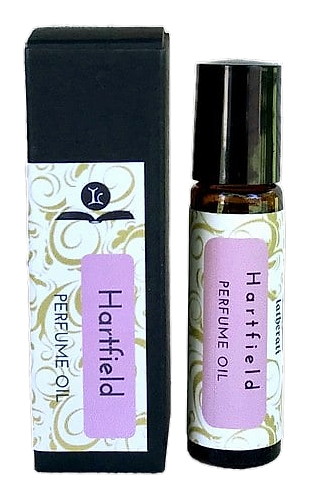
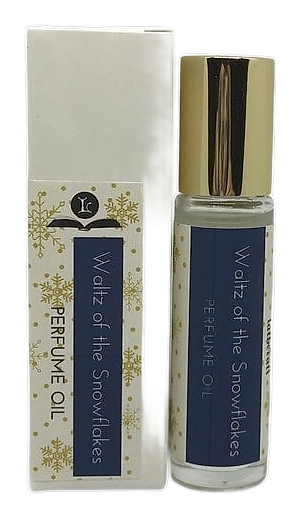
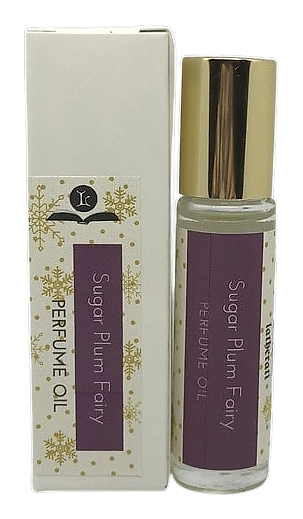
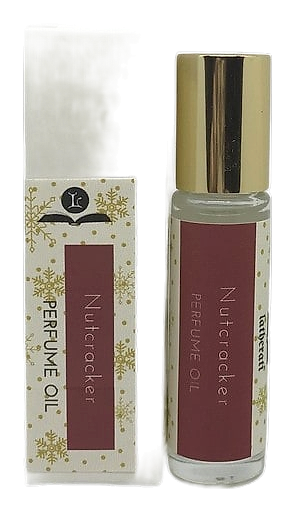
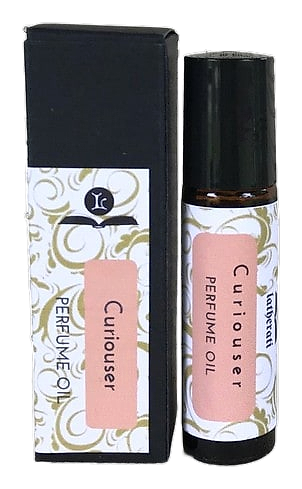
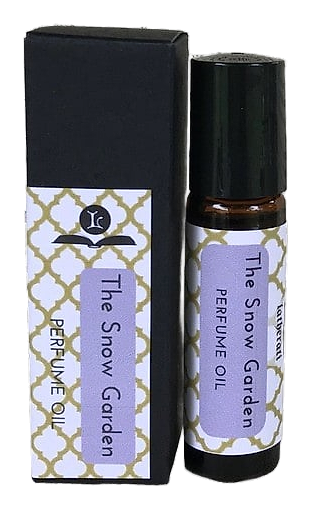
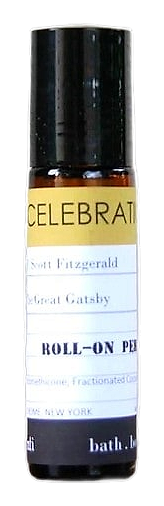
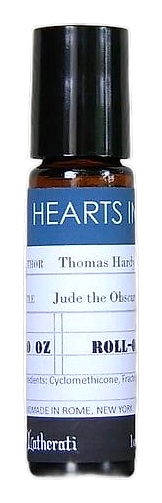
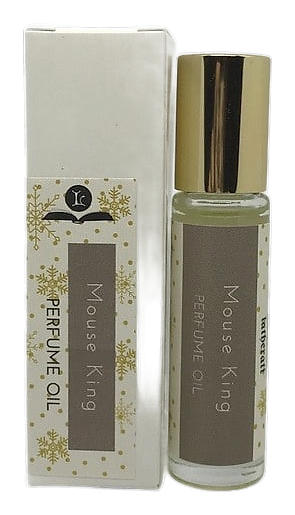
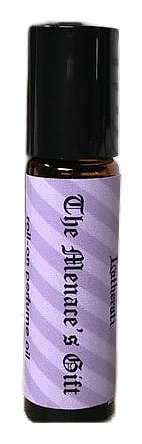
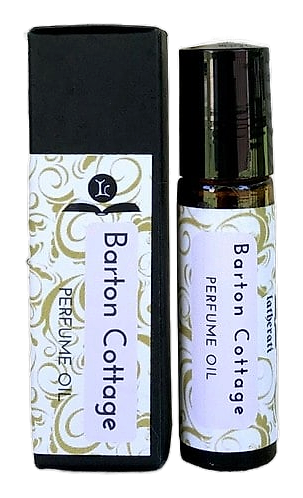
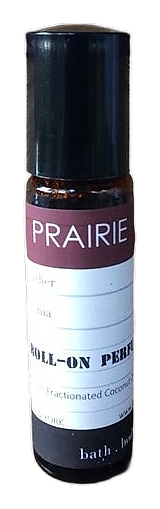
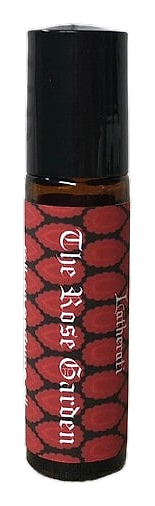
LatheratiLatherati is an independent fragrance house known for its literary-inspired perfumery, drawing thematic material from classic novels, Victorian-era imagery, and the English countryside. The brand creates hand-blended perfumes that evoke narrative scenes and atmospheric settings, with fragrance names referencing locations such as Prairie, Hartfield, Longbourne, and Mansfield. The house appears to operate within the indie niche fragrance community, producing limited-run scents that include releases from 2018 such as Clara and Mouse King, alongside earlier compositions like Curiouser and The Snow Garden. Latherati's catalog suggests a focus on storytelling through scent, translating literary and natural imagery into olfactory compositions.
The Creator
Julie GroganGrogan works primarily as an artisan perfumer, blending her own fragrance compositions without external collaborators. Her style resists easy categorization, drawing from floral, atmospheric, and occasionally unexpected material combinations.