
The Story
Why it exists.
The beginning
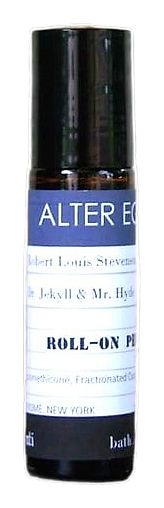
Alter Ego wears its name like a confession. Latherati built it around Robert Louis Stevenson's Dr. Jekyll and Mr. Hyde, and the brand was blunt about the intention: this is the dark side, Mr. Hyde rather than the composed doctor. Julie Grogan composed the fragrance around cedarwood and sandalwood, laying amber, dark musk and rich vanilla underneath. The result reads less like a costume than a mood. Polished on the surface, something restless underneath, and entirely uninterested in explaining itself. The Jekyll and Hyde reference gives the scent an immediate literary frame. A fragrance built around that pairing could have gone gothic, theatrical, dripping with candle smoke and cobwebs. Grogan went quieter. The darkness here comes from woods and warmth rather than any haunted theatrics.
What's genuinely interesting about the composition is how few moving parts it uses. Cedar and sandalwood do most of the talking, and they don't need much help. Those two woods anchor a warm, powdery, slightly balsamic structure, which means the vanilla reads less like dessert and more like skin. Musk rounds the edges without turning the whole thing into a cloud. The accord profile, woody and warm with a balsamic darkening, points toward something more resinous and grown-up than the name might suggest.
The evolution
Alter Ego develops through the interplay of dry woods, warm amber, dark musk and rich vanilla. Cedar and sandalwood form the core of the scent, one more upright and sharply defined, the other smoother and creamier. Amber deepens the structure with a balsamic warmth, while vanilla introduces a soft sweetness that settles into the woody grain rather than dominating it. Musk rounds the composition and adds a slightly powdery texture, keeping the darker notes from becoming severe. As the fragrance settles, the profile moves toward a drier, more woody character. Vanilla recedes into the background, leaving amber and musk to carry much of the warmth. The cedar remains distinct through its dry surface, while sandalwood gives the overall accord a supple depth. What lingers is the sense of a shadow moving beneath a polished exterior: restrained, close and quietly intense.
Cultural impact
Alter Ego draws on one of literature's most recognizable figures of duality through Robert Louis Stevenson's Dr. Jekyll and Mr. Hyde. The source gives the fragrance a natural literary frame without requiring it to become a literal rendering of Gothic fiction. Its composition reinforces that tension through contrast: polished woods at the surface, warm amber and rich vanilla below, and dark musk lending a shadowed finish. The result feels intimate rather than theatrical, with the darkness expressed through texture, dryness and depth. Cedar and sandalwood provide the structural center, while amber gives the accord its balsamic warmth.
The House
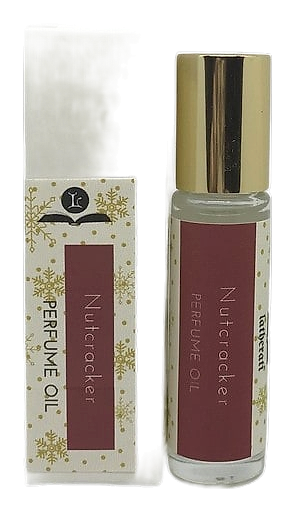
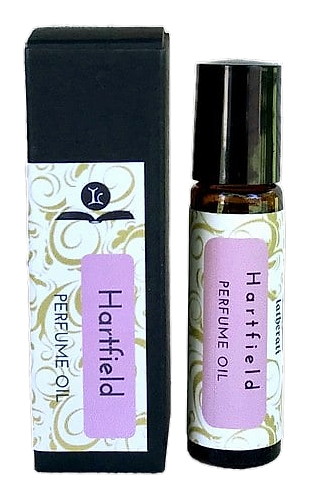
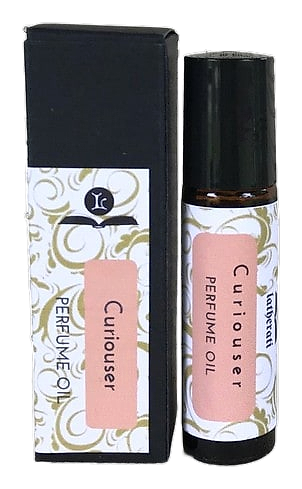
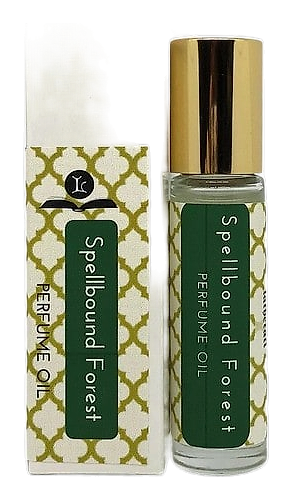
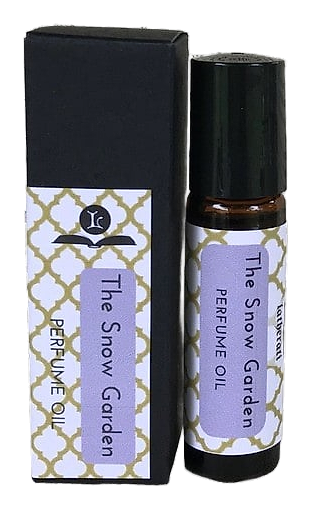
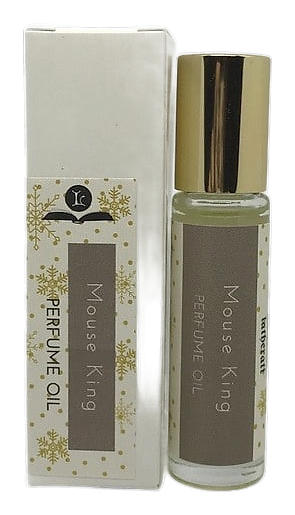
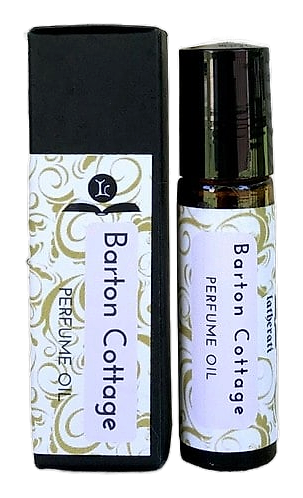
LatheratiLatherati is an independent fragrance house known for its literary-inspired perfumery, drawing thematic material from classic novels, Victorian-era imagery, and the English countryside. The brand creates hand-blended perfumes that evoke narrative scenes and atmospheric settings, with fragrance names referencing locations such as Prairie, Hartfield, Longbourne, and Mansfield. The house appears to operate within the indie niche fragrance community, producing limited-run scents that include releases from 2018 such as Clara and Mouse King, alongside earlier compositions like Curiouser and The Snow Garden. Latherati's catalog suggests a focus on storytelling through scent, translating literary and natural imagery into olfactory compositions.
The Creator
Julie GroganGrogan works primarily as an artisan perfumer, blending her own fragrance compositions without external collaborators. Her style resists easy categorization, drawing from floral, atmospheric, and occasionally unexpected material combinations.