The Story
Why it exists.
The beginning
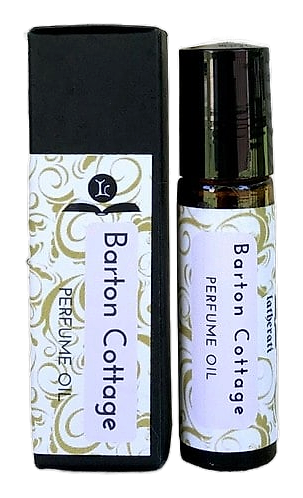
Barton Cottage takes its name from the Austens' fictional Pemberley estate, where quiet certainty lives in every sun-warmed stone. Julie Grogan drew from Sense & Sensibility for this one, not the drama, but the settled part. The moment when a character stops performing and simply exists in their own company. The fragrance translates that feeling: a garden at the edge of morning, before anyone else arrives. Grogan built the composition around a delicate rose and ivy opening that doesn't announce itself. It invites. The rest of the notes, raspberry, pear, violet, follow that same logic. Nothing shouts. Everything accumulates.
The combination of rose with green ivy and lily of the valley is deliberate. These are not the roses of grand estates, they are the roses of cottage gardens, slightly wild, softened by other growth around them. The raspberry and pear keep the florals from tipping into formality. They add a fruitiness that feels like morning light through a window, not perfume counter brightness. Then the base settles: sandalwood, vanilla, patchouli. Not heavy, warm. The kind of warmth that doesn't ask for attention but holds it once it arrives. The coconut oil carrier means the fragrance absorbs differently than alcohol-based perfumes. It becomes intimate rather than announced.
The evolution
Then the hand-off begins. Pear arrives quietly, raspberry a beat later. Neither shouts. Together they give the florals something to lean against, a sweetness that isn't syrupy, just present. This is where the fragrance earns its name, there's a softness here, a domesticity that isn't dull. It's the feeling of being somewhere familiar and not needing anything from it. Then the drydown. Sandalwood and vanilla arrive together, with patchouli underneath keeping them honest. The effect is warm and close, the kind of scent that someone standing beside you might notice before you do. The next day, there's a faint sweetness remaining where you applied it, vanilla, clean and quiet, like a window left open.
Cultural impact
Barton Cottage exists in a particular corner of niche perfumery, literary, intimate, deliberately quiet. It doesn't compete with the loud personalities of mainstream fragrance. It belongs to the reader who finds themselves in the sentence rather than the plot. Within the indie community, compositions like this one represent a counter-argument to the idea that fragrance should announce itself. Not every scent needs a room to notice it.
The House
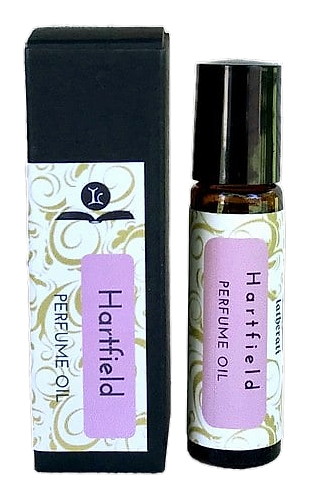
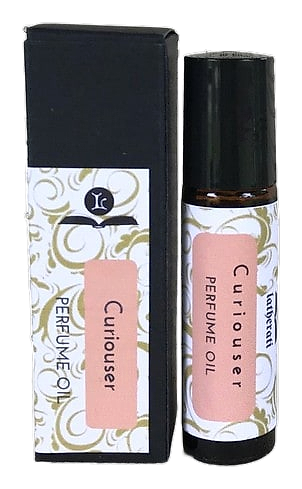
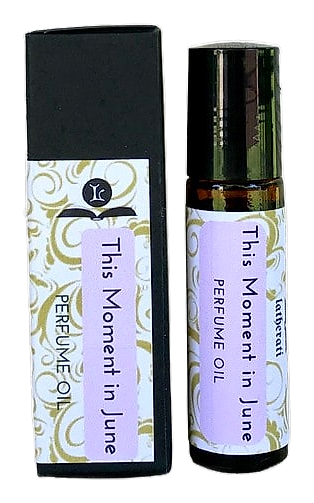
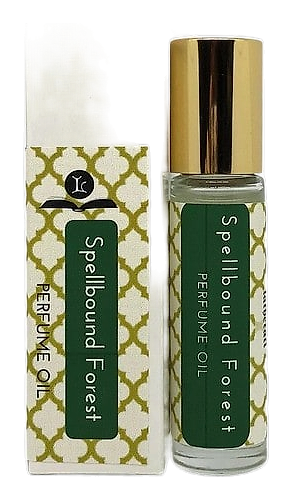
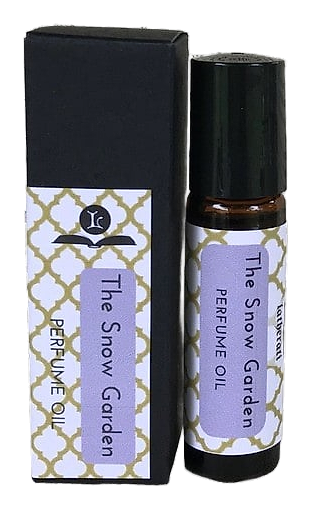
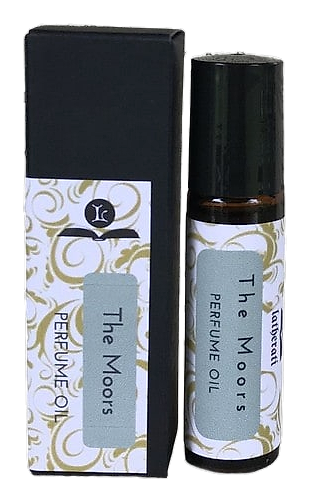
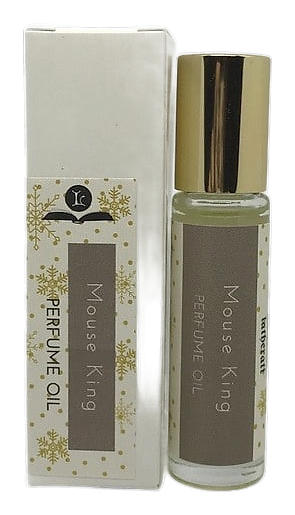
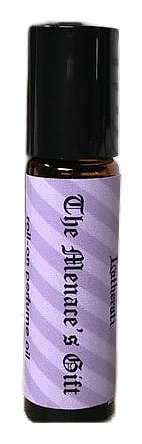
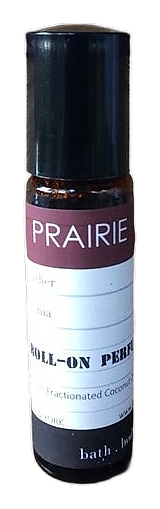
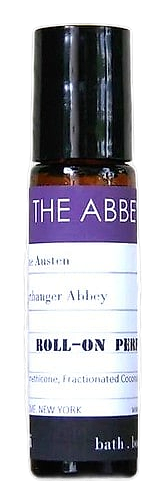
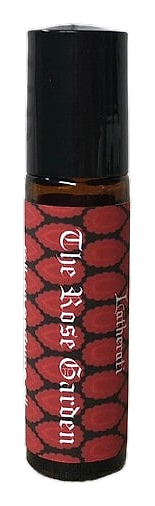
LatheratiLatherati is an independent fragrance house known for its literary-inspired perfumery, drawing thematic material from classic novels, Victorian-era imagery, and the English countryside. The brand creates hand-blended perfumes that evoke narrative scenes and atmospheric settings, with fragrance names referencing locations such as Prairie, Hartfield, Longbourne, and Mansfield. The house appears to operate within the indie niche fragrance community, producing limited-run scents that include releases from 2018 such as Clara and Mouse King, alongside earlier compositions like Curiouser and The Snow Garden. Latherati's catalog suggests a focus on storytelling through scent, translating literary and natural imagery into olfactory compositions.
The Creator
Julie GroganGrogan works primarily as an artisan perfumer, blending her own fragrance compositions without external collaborators. Her style resists easy categorization, drawing from floral, atmospheric, and occasionally unexpected material combinations.