
The Story
Why it exists.
The beginning
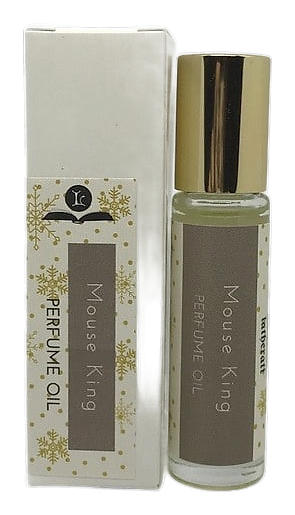
Mouse King arrived in 2018, composed by Julie Grogan for Latherati. Its idea appears in the tension at the center of the composition: bright fruit and citrus move with the alert energy of a small ruler in a formal room, while oakmoss and tuberose lend weight, earth, and a faintly regal strangeness. The fragrance is also classified as chypre, placing its polished fruit and aldehydic brightness against notes of moss, musk, amber, and tuberose. Together, they create a scent that is vivid at first, then darker and more textured as the composition develops. The result invites attention to the contrast between sparkling freshness and the cooler, earthier character of its supporting notes.
The unusual part is the balance. Aldehydes sharpen the fruit-and-citrus opening, while mandarin contributes a rounded citrus brightness. Oakmoss gives the fruit a rooted, forest-floor shadow, and tuberose supplies the most striking shape: a creamy floral note made sharper here by its placement beside amber and moss. Egyptian musk helps round the composition, carrying a soft, almost soapy impression that becomes more mineral and earthy as the scent settles.
The evolution
The first impression is quick and almost weightless: aldehydes, mandarin, and melon flicker across the skin with a polished, clean sparkle. Within the opening minutes, the fruit becomes rounder and more expressive, but the aldehydic brightness keeps it from becoming syrupy. Oakmoss enters underneath with the patient pull of damp bark and shaded soil. Tuberose then adds a creamy floral shape, giving the middle both polish and tension. As the bright fruit recedes, amber grows warmer and musk settles closer to the skin. Oakmoss and tuberose continue to shape the composition as it develops, their green, earthy, and faintly soapy character becoming more apparent against the warmer base. The scent moves from a clean burst of citrus and melon toward a quieter, earthier impression, ending with a polished, skin-close softness.
Cultural impact
Mouse King offers a distinctive interpretation of the fragrance name, pairing an unusual title with a vivid, polished composition. Its central appeal lies in the contrast between bright fruit and citrus, sharpened by aldehydes, and the earthier notes of oakmoss, tuberose, amber, and musk. That combination gives the fragrance a narrative quality without relying on a broader cultural theme. It is the sort of scent that rewards close attention: the opening feels lively and immaculate, while the middle introduces mossy depth, creamy floral texture, warmth, and a soft mineral character. Its freshness and darkness remain in constant conversation.
The House
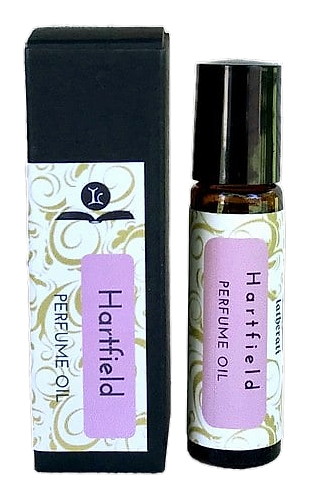
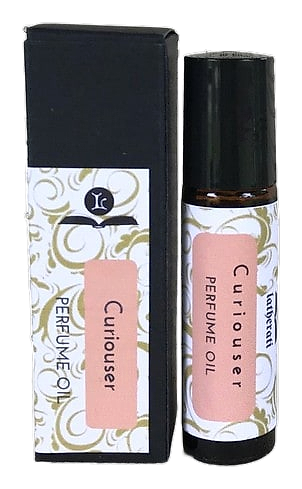
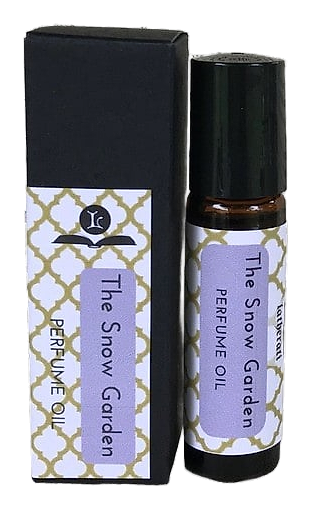
LatheratiLatherati is an independent fragrance house known for its literary-inspired perfumery, drawing thematic material from classic novels, Victorian-era imagery, and the English countryside. The brand creates hand-blended perfumes that evoke narrative scenes and atmospheric settings, with fragrance names referencing locations such as Prairie, Hartfield, Longbourne, and Mansfield. The house appears to operate within the indie niche fragrance community, producing limited-run scents that include releases from 2018 such as Clara and Mouse King, alongside earlier compositions like Curiouser and The Snow Garden. Latherati's catalog suggests a focus on storytelling through scent, translating literary and natural imagery into olfactory compositions.
The Creator
Julie GroganGrogan works primarily as an artisan perfumer, blending her own fragrance compositions without external collaborators. Her style resists easy categorization, drawing from floral, atmospheric, and occasionally unexpected material combinations.