The Story
Why it exists.
The beginning
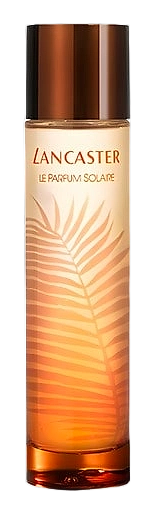
Lancaster, founded in Italy in 1946, has built its identity on understated elegance with quiet innovation. The house approaches fragrance as an extension of daily refinement, not as a statement piece. In 2016, perfumer Christiane Plos was tasked with capturing the feeling of sun-lit skin, that specific warmth that lingers after a Mediterranean afternoon. The challenge was translating a sensation into material, which meant finding ingredients that could evoke golden light and heat without relying on obvious solar notes or heavy sweetness. Plos chose to work with aldehydes, a classic brightening agent, as the structural spine, then built the floral heart around ingredients that could read as both luminous and grounded, creating a fragrance that feels warm without ever tipping into heaviness.
Lancaster's note philosophy here reflects the house's broader ethos: build scents that feel effortless rather than constructed. The aldehydic opening signals classicism, signaling that this is a fragrance with heritage and intention. The floral heart draws from the traditional white floral palette but uses hyacinth and rose petals to keep the composition from feeling predictable. The drydown leans into skin-musks and soft woods, prioritizing wearability over projection. The result is a fragrance designed to be a daily companion rather than a statement moment, one that rewards close wear rather than projecting across a room.
The evolution
The scent begins with aldehydes delivering an immediate, shimmering brightness that feels like sunlight reflected off glass. Ylang-ylang and petitgrain introduce themselves within seconds, the tropical richness of ylang meeting the green-citrus bite of petitgrain in a calculated balance. Lily of the valley adds a fleeting freshness that prevents the opening from reading as too heavy too soon. As time passes, the aldehydic spark fades, allowing jasmine and hyacinth to dominate the heart. Their combined white floral intensity is substantial, almost lush, but rose petals soften the edges with powdery romance and cinnamon adds a quiet warmth that reads as spiced sunlight rather than holiday baking. By the time the base arrives, the fragrance has settled into something intimate and skin-like. White musk wraps closely, violet adds powdery softness, and cabreuva wood contributes a creamy-wood quality that feels both modern and refined. Vanilla flower is the final whisper, a gentle sweetness that feels like the memory of warmth rather than active heat.
Cultural impact
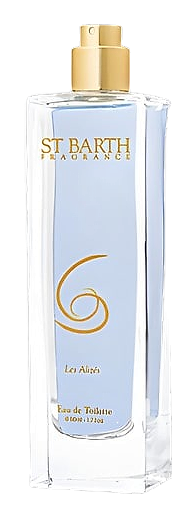
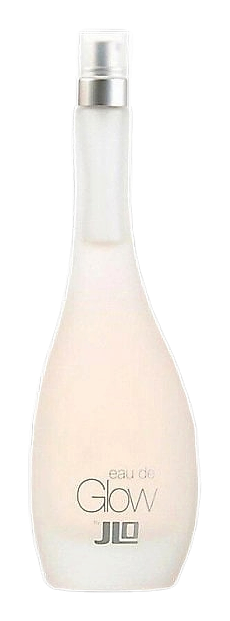
Since its 2016 debut, Le Parfum Solaire has been championed by fans who liken its opening to beloved skin‑care creams, positioning it as a modern take on the classic “sun‑cream” fragrance niche. Its creamy aldehydic start sets it apart from typical floral‑citrus scents, earning it a spot in casual summer wardrobes alongside peers like Nivea’s Eau de Glow and Les Alizés, while still feeling uniquely Italian in its understated elegance.