The Story
Why it exists.
The beginning
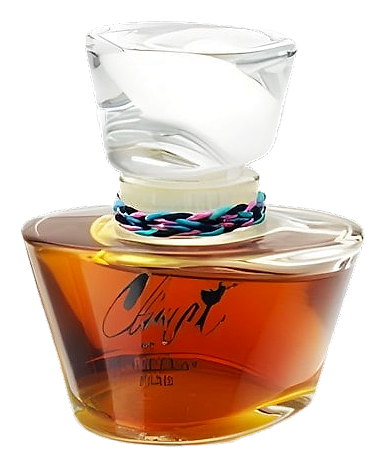
In 1967, Gerard Goupy composed Climat as a statement in green. The name itself, climat, suggests atmosphere, the particular quality of air in a place at a certain hour. For Lancôme, that place was Paris, and that hour was the late 1960s: a city in motion, women moving through it with new kind of confidence. Goupy built the fragrance around a green chypre structure that felt architectural, clean lines, no excess. The aldehydic brightness at the top wasn't decoration. It was the energy of the era, captured in a bottle. This was perfumery that understood ambition without apology.
What makes Climat Extrait notable is the way it holds two contradictory impulses in tension. The aldehydes open cool, almost clinical, a sharp, metallic brightness that announces itself without apology. But the green chypre base pulls in the opposite direction: earthy, deep, anchored by vetiver and bamboo. These two forces don't cancel each other. They create a fragrance that breathes. The civet in the base is doing quiet work here, a subtle animalic warmth that prevents the green from ever becoming austere. It's the difference between a cold room and a room with the windows cracked open.
The evolution
The opening arrives fast: aldehydes first, a bright metallic flash that lasts maybe five minutes before the florals begin to assert themselves. Jasmine and tuberose emerge together, which is unusual, jasmine usually waits for its moment. Here, it arrives early, adding a creamy sweetness that softens the aldehydic edge without erasing it. The rosemary in the heart keeps things green, slightly herbal, a counterpoint to the white florals. This middle phase is where Climat earns its name, there's a coolness here, a freshness that feels architectural. Then the base takes over. Sandalwood and tonka bean provide warmth, but it's the vetiver and civet that define the drydown. The sillage doesn't disappear, it changes register, becoming intimate and close. On most skin, this holds for eight to ten hours. On fabric, it lingers longer. The next morning, there's a faint trace on skin, a warm, slightly animalic memory of where the fragrance ended.
Cultural impact
Climat belongs to a specific moment in French perfumery: the late 1960s, when aldehydic florals were beginning to give way to greener, more aromatic compositions. The fragrance occupies an interesting position, formally aldehydic, but structured around a green chypre backbone that predates the more radical chypres of the 1970s. It sits comfortably alongside other landmark aldehydic florals of its era, though its green character gives it a different energy. Wearers describe it as the scent of someone who walks into a room and doesn't need to announce themselves.