
The Story
Why it exists.
The beginning
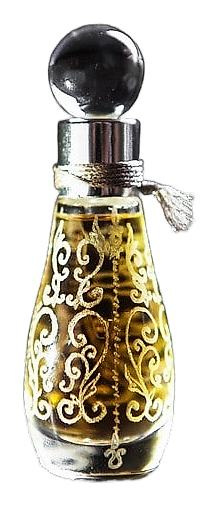
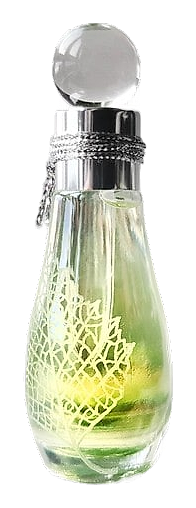
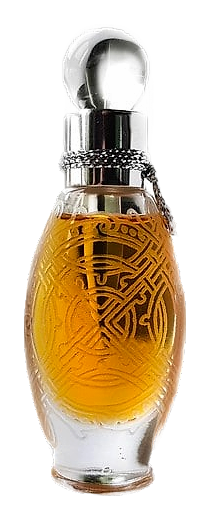
Odolen Herb takes its name from одолень-трава, a magical plant threaded through Russian folk tales, a bloom believed capable of breaking enchantments and unlocking the way forward. Ladanika, the niche house, builds each composition around a chapter of Slavic folklore, translating myth into scent through raw resins, local botanicals, and laboratory precision. Perfumer Natalia Vitkovskaya turned toward that mythic grass, crafting a formula rooted in the legend itself. The collection this fragrance belongs to has always read like a bestiary of Russian legend. Leshy, Baba Yaga, Bayun the Cat, Ivan Kupala. Odolen Herb slots into that lineage as the protective one, the herb you carry when the path ahead isn't safe yet.
Vitkovskaya's structural move is the metallic note sitting in the heart, not the base. Most green compositions lean on galbanum or crushed stems for their vegetal bite. Here, the cool hum comes from a facet that reads almost mineral, like licking a stone left in a cold stream, which keeps the linden blossom and iris from drifting into straight floral. The wormwood doubling down through the arc, from top to base, anchors the composition against that metallic drift. Wormwood in fragrance often reads bitter or medicinal in the opening where it announces itself loudest.
The evolution
The opening doesn't announce itself so much as arrive already in progress. Herbal notes hit first, green and slightly bitter, with wormwood cutting through any sweetness before it can settle. The mint reads cool and brief, more like menthol without the menthol, a flash of cold that lifts the herbal accord before fading. Within 15 minutes the heart opens fully. Linden blossom comes in soft and humid, like walking past a linden tree after evening rain, and the iris underneath it gives the whole thing a powdery coolness. Wormwood deepens the herbal side, while water lily adds a quiet green reflection. Then the metallic note arrives, and everything shifts. Not sharp the way metallic usually is, but cold and steady, like a frequency you feel in your teeth.
Cultural impact
Russian herbalism has long paired medicinal weeds with food and drink, and Одолень-трава lives at that crossroads. The folkloric plant sits in a tradition where herbs carried magical as much as medicinal weight, believed to ward off enchantment, cure illness, and protect travelers on uncertain paths. That dual identity, healing and protective, useful and sacred, runs through the Slavic understanding of wild botanicals. Ladanika leans into Slavic folkloric memory rather than sterile green minimalism, making the scent feel rooted in the specific ecosystems and cultural associations of Eastern European forests and meadows.
The House
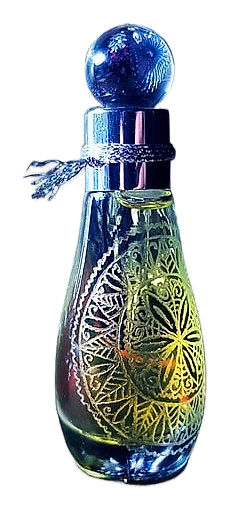
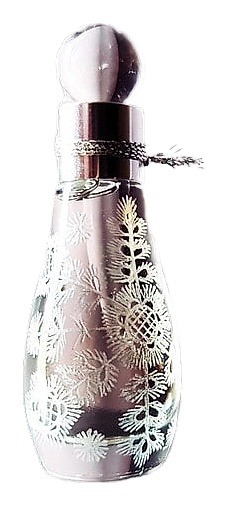
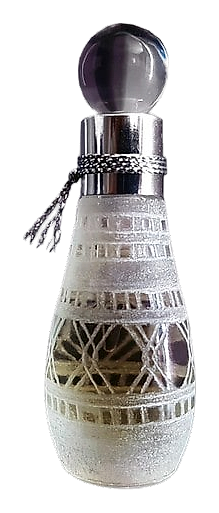
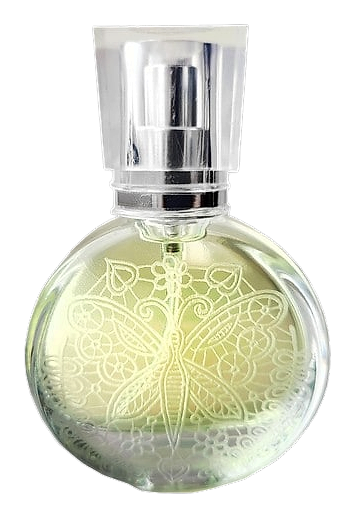
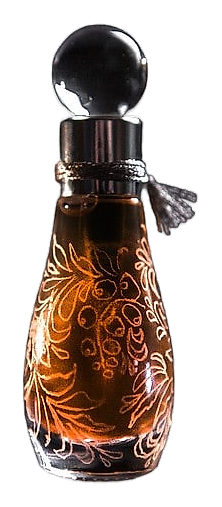
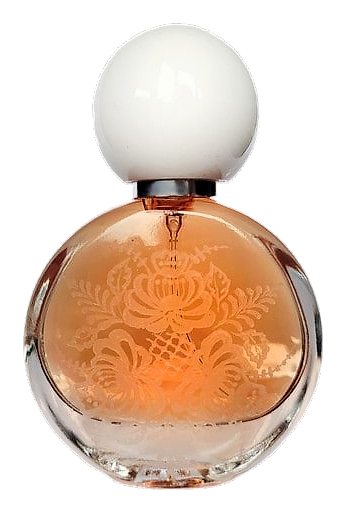
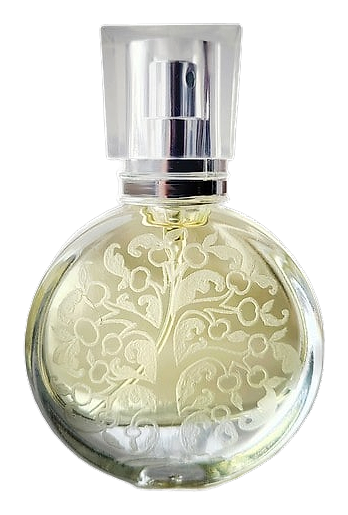
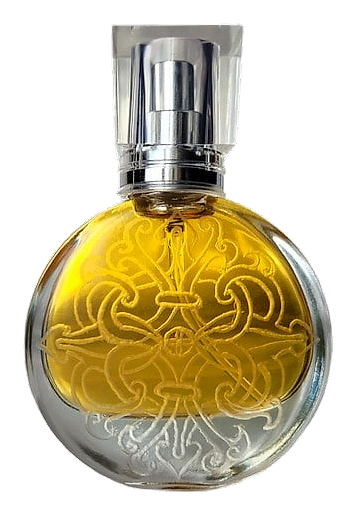
LadanikaLadanika is a niche fragrance house that emerged in the late 2010s with a focus on olfactory stories drawn from Russian folklore and natural landscapes. The brand debuted its eponymous scent in 2018 and has since expanded to a modest catalogue that includes Power of The Spirit (2017), Ivan Kupala (2025), and Bayun the Cat (2021). Each fragrance is presented in a minimalist bottle that emphasizes the scent rather than flashy branding. Ladanika positions itself as a laboratory for curious noses, offering compositions that blend traditional ingredients such as frankincense and birch with modern synthetics. The label distributes primarily through specialty retailers and online platforms that cater to collectors of artisanal perfume.
The Creator
Natalia VitkovskayaNatalia favors a structured pyramid that starts with a clear opening, builds a rich heart, and settles into a lingering base. She often pairs bright citrus or marine accords with deep amber, sandalwood, or resin, creating contrast that resolves into harmony.