The Story
Why it exists.
The beginning
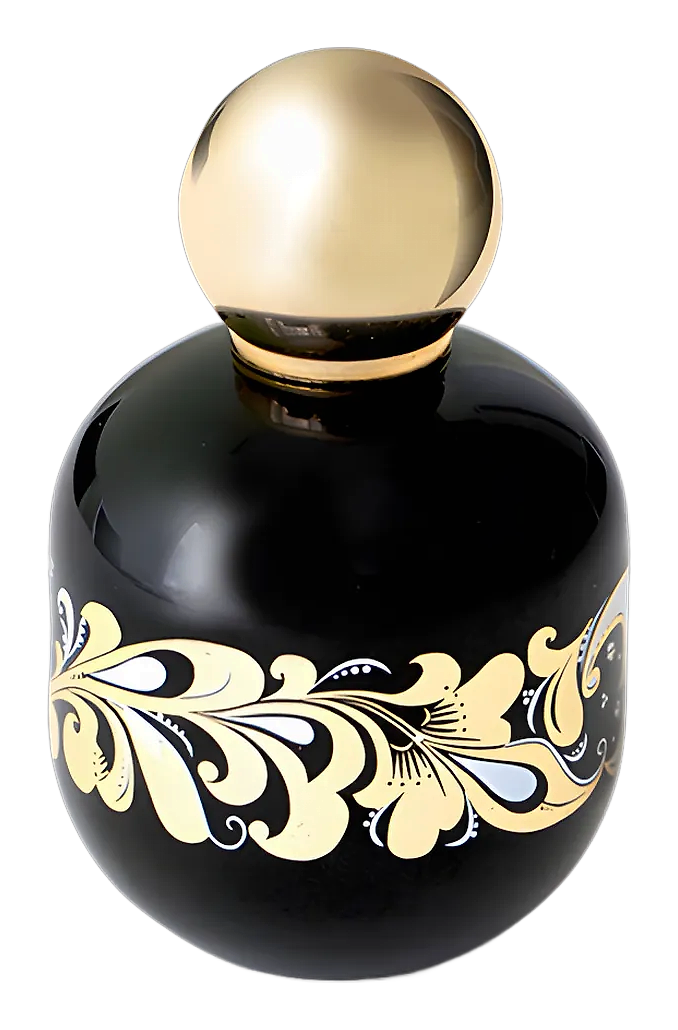
Black Raven emerged from Ladanika's ongoing investigation into Russian landscape as material. The raven holds deep significance in Slavic folklore, a messenger between worlds, a figure of prophecy and shadow. Perfumer Pavel Romazanov built the composition around this symbolism: not a literal bird, but the feeling of one circling overhead. The brief was simple. Earthy. Almost unsettling. Something that smelled like a forest at the edge of becoming something else. The fragrance arrived in 2020, joining a catalogue already populated by characters from Russian myth, Baba Yaga, Leshy, Bayun the Cat. Where those fragrances pulled from narrative archetypes, Black Raven drew from atmosphere. It wasn't about a story. It was about a place where a story could happen. Romazanov selected notes that refused to be comfortable. Soil tincture as a foundation. Vetiver as structural memory. Mushroom as the thing that tips it toward the uncanny.
What distinguishes Black Raven in Ladanika's catalogue is the deliberate use of materials most perfumers avoid in dominant amounts. Mushroom, not as a novelty note or an invisible supporting element, but as a structural player, sits at the heart of the composition and shapes the entire arc. It's earthy without sweetness, animal without rawness. Paired with soil tincture, it creates a mineral quality that reads more geological than botanical. The leather note compounds the effect. Not polished leather, the kind that arrives after. Darker.
The evolution
It opens with soil. Not metaphor, actual soil, cold and mineral, like turning earth in early spring before the warmth returns. Black pepper arrives within minutes, sharp and clean against the dark. The vetiver adds structure, something to hold the earthiness in place rather than letting it dissipate. The mushroom reveals itself slowly. Twenty minutes in, it becomes the recognizable note, damp, close, the smell of forest floor after rain. Violet flickers briefly, adding an unexpected softness that almost feels like a distraction before the leather settles. Not furniture leather. Something darker, worn, already used. By the second hour, the composition has flattened into something more cohesive. The mushroom and soil recede as the vetiver and woody notes take over, leaving the black pepper still faintly present on the skin. The leather stays longest. On fabric, it can linger into the next day as a faint, dry warmth, not quite pleasant in a conventional sense, but deeply familiar once you've lived with it. On skin, it softens faster but leaves an imprint.
Cultural impact
Black Raven occupies a specific corner of the niche market: not the polished, collector-driven segment, but the experimental fringe where compositions take risks with material choices that mainstream houses avoid. Within Ladanika's folklore-driven catalogue, it stands apart as the fragrance least concerned with narrative and most concerned with atmosphere. The soil-mushroom-leather triad isn't a pattern found in trend reports or seasonal releases from that era, it arrived from a specific place and made no concessions for accessibility. For those who found it, it became something close to a signature. For those who didn't, the return window was short.