The Story
Why it exists.
The beginning
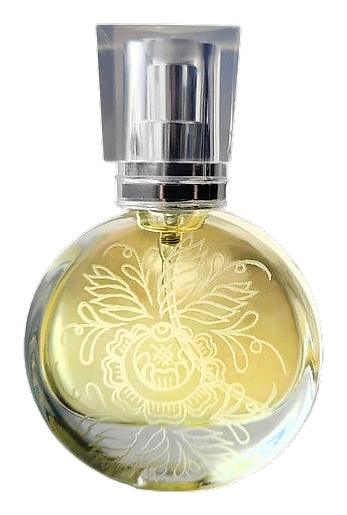
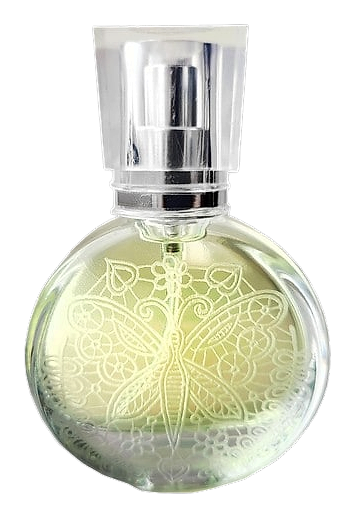
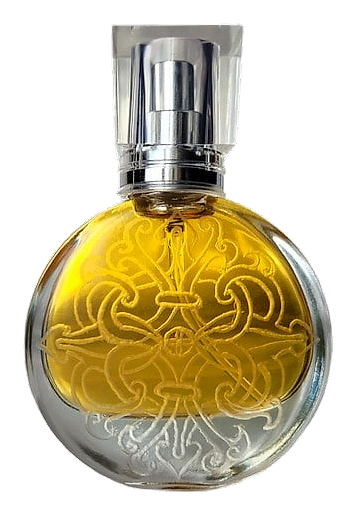
Mothers-Daughters takes its name from a relationship everyone has lived inside, even if only from one side. Ladanika perfumer Ekaterina Siordia composed it in 2018, working with a note list that places iris alongside raspberry, whipped cream, and pastry. The name invites a reading that splits the composition in two, and the structure does seem to cooperate: the iris and rose run cool and dense, the raspberry and confection carry sweetness. Released during the brand's early years, it introduced a quieter, more edible register into a catalogue that already included folklore-inspired pieces like Bayun the Cat and Ivan Kupala.
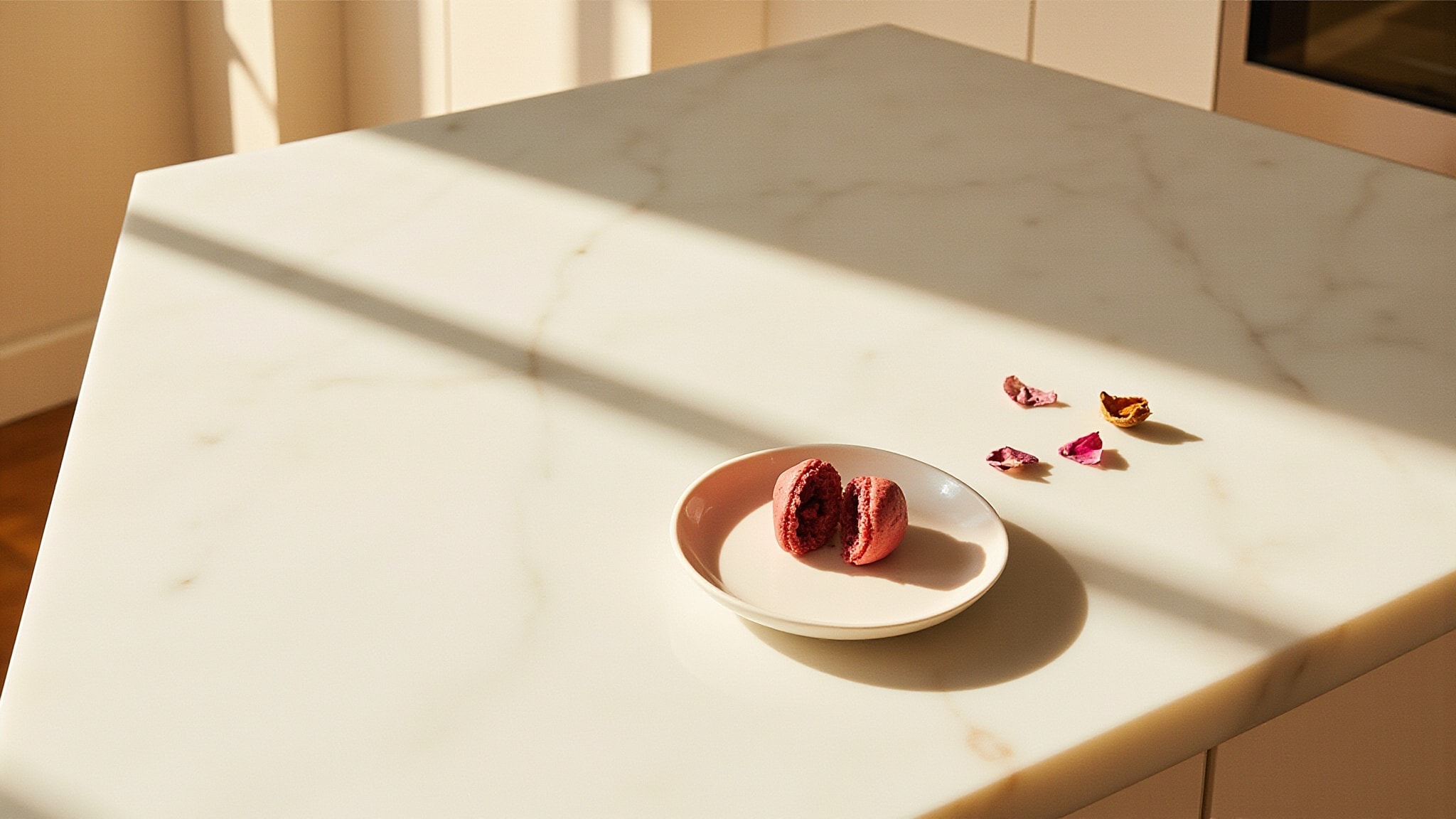
What makes this composition interesting is the pairing of iris with raspberry and pastry, a combination that walks a fine line between elegant and childlike. Iris brings a powdery coolness that grounds what would otherwise read as straightforward confection. The whipped cream and biscuit notes pull the composition toward gourmand territory, but the iris and a restrained hit of jasmine keep enough air around it that the sweetness breathes.
The evolution
Mothers-Daughters lands soft rather than bright. The first ten minutes read like a confectioner's counter, raspberry coulis, a whiff of warm biscuit, the kind of sweetness that sounds over the top until you smell how the iris salts the edges. By the twenty-minute mark, rose and jasmine step forward, not loudly, more the way a powder compact smells when opened in a quiet room. The iris has settled in, and it's not shouting. Past the one-hour threshold, sandalwood and vanilla take over the base, anchoring what was airy sweetness into something denser and warmer. The pastry register doesn't disappear, it folds into the sandalwood and becomes something closer to vanilla shortbread left on a cooling rack. By hour four, the raspberry has faded almost entirely, but the iris-root dryness remains, paired with a vanilla that lasts through the afternoon.
Cultural impact
Mothers-Daughters occupies an unusual intersection: a gourmand-leaning composition from a house otherwise drawn to mythology and folklore. Its raspberry-and-iris pairing sets it apart from neighbours like Bayun the Cat and Ivan Kupala, which lean darker and more atmospheric. Wearers tend to describe it in personal terms, sometimes referencing older family members or kitchen memories, which suggests the fragrance lands closer to lived experience than to fantasy. At least one reviewer connects it directly to a grandmother's presence, and the food-adjacent notes invite that kind of reading.
The House
LadanikaLadanika is a niche fragrance house that emerged in the late 2010s with a focus on olfactory stories drawn from Russian folklore and natural landscapes. The brand debuted its eponymous scent in 2018 and has since expanded to a modest catalogue that includes Power of The Spirit (2017), Ivan Kupala (2025), and Bayun the Cat (2021). Each fragrance is presented in a minimalist bottle that emphasizes the scent rather than flashy branding. Ladanika positions itself as a laboratory for curious noses, offering compositions that blend traditional ingredients such as frankincense and birch with modern synthetics. The label distributes primarily through specialty retailers and online platforms that cater to collectors of artisanal perfume.
The Creator
Ekaterina SiordiaSiordia's stylistic signature lies in dramatic contrast and unexpected combinations. She layers familiar materials in unfamiliar configurations, producing fragrances that feel simultaneously accessible and strange.