The Story
Why it exists.
The beginning
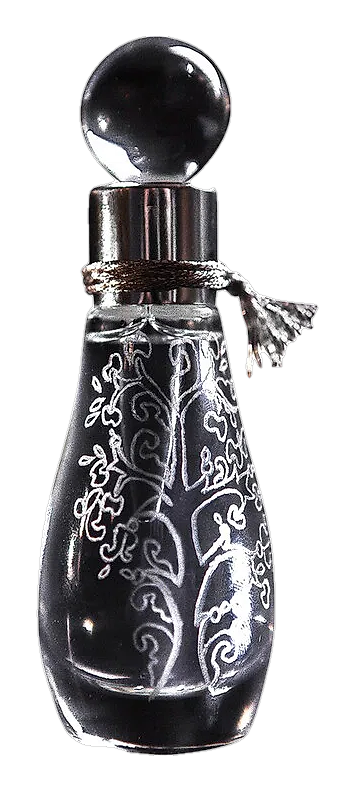
Baba Yaga was released in 2019, composed by perfumer Mariya Strazdas for the house of Ladanika. The witch of Slavic legend has always walked a line between menace and generosity, a figure who tests travelers before deciding whether to feed them or eat them. Strazdas writes a kind of perfumery that rewards patience: her blends tend to be dense, textured, and built around materials that most houses would consider too stubborn to wear. In Baba Yaga, that stubbornness is the point. She leans into the contradictions at the heart of the folk figure, building something that feels edible and almost wholesome on the surface while an undergrowth of moss and fungus humbles you underneath.
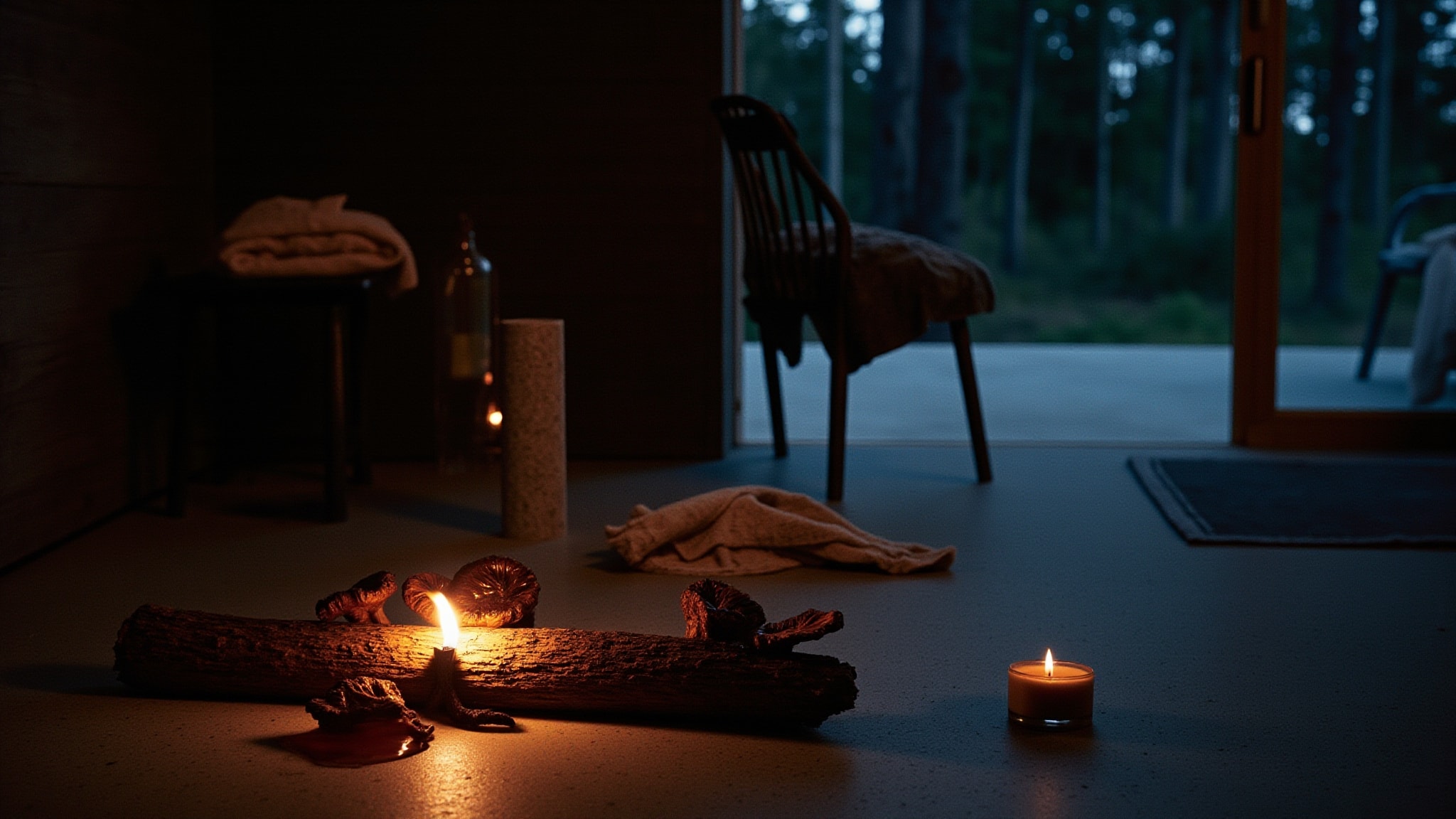
The note that separates Baba Yaga from the usual autumnal gourmand is mushrooms. Most fragrances that reach for forest-floor realism stop at oakmoss and patchouli, which gets you green and slightly bitter but never truly damp. Strazdas treats fungi as a top-tier structural element rather than a curiosity, and that choice changes the gravity of the whole composition. The caramel and honey here do not float. They sit on something organic and slightly fungal, which makes the sweetness read like food fermenting in a cauldron rather than candy in a jar.
The evolution
The opening presents a strange, slightly off-putting sweetness that takes a moment to read. Caramel shows up early, but it carries an herbal edge from artemisia and a green mossiness that pulls it away from dessert territory. Honey comes in low and vegetal, the kind that tastes of pine resin and field flowers rather than the jarred kind. The opening reads almost like a savory reduction that has not decided what it wants to be yet, and on first encounter that ambiguity is the most striking thing about it. Once the sweetness settles into its stride, the resins begin to organize themselves. Labdanum warms the middle, and Peru balsam adds the vanilla-brown depth that bridges the sweetness to the woods. This is the phase where mushrooms become audible, a damp-earth quality that rises through the caramel like steam off a forest floor after rain.
Cultural impact
Baba Yaga drops the wearer into one of the most durable archetypes in Slavic folklore: a forest-dwelling, borderline-dangerous elder whose motives shift depending on who is telling the story. The Ladanika composition translates that ambiguity into scent by leaning on mushroom, oakmoss, and a resin-heavy drydown that reads simultaneously as cosy hearth and damp forest floor. Released in 2019, the fragrance sits within Ladanika's own catalogue, a house that treats fairy-tale figures and woodland settings as recurring material across its releases.
The House
LadanikaLadanika is a niche fragrance house that emerged in the late 2010s with a focus on olfactory stories drawn from Russian folklore and natural landscapes. The brand debuted its eponymous scent in 2018 and has since expanded to a modest catalogue that includes Power of The Spirit (2017), Ivan Kupala (2025), and Bayun the Cat (2021). Each fragrance is presented in a minimalist bottle that emphasizes the scent rather than flashy branding. Ladanika positions itself as a laboratory for curious noses, offering compositions that blend traditional ingredients such as frankincense and birch with modern synthetics. The label distributes primarily through specialty retailers and online platforms that cater to collectors of artisanal perfume.
The Creator
Mariya StrazdasStrazdas's hand is recognizable through several recurring gestures. She reaches for gourmand-adjacent openings, particularly bread-and-caramel constructions that feel edible without tipping into overt sweetness, and she gravitates toward tactile materials: suede-like leathers,…