The Story
Why it exists.
The beginning
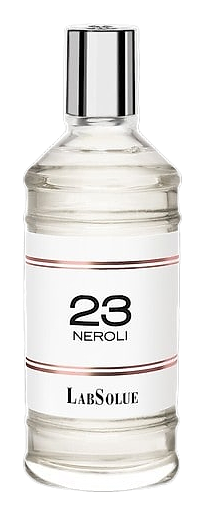
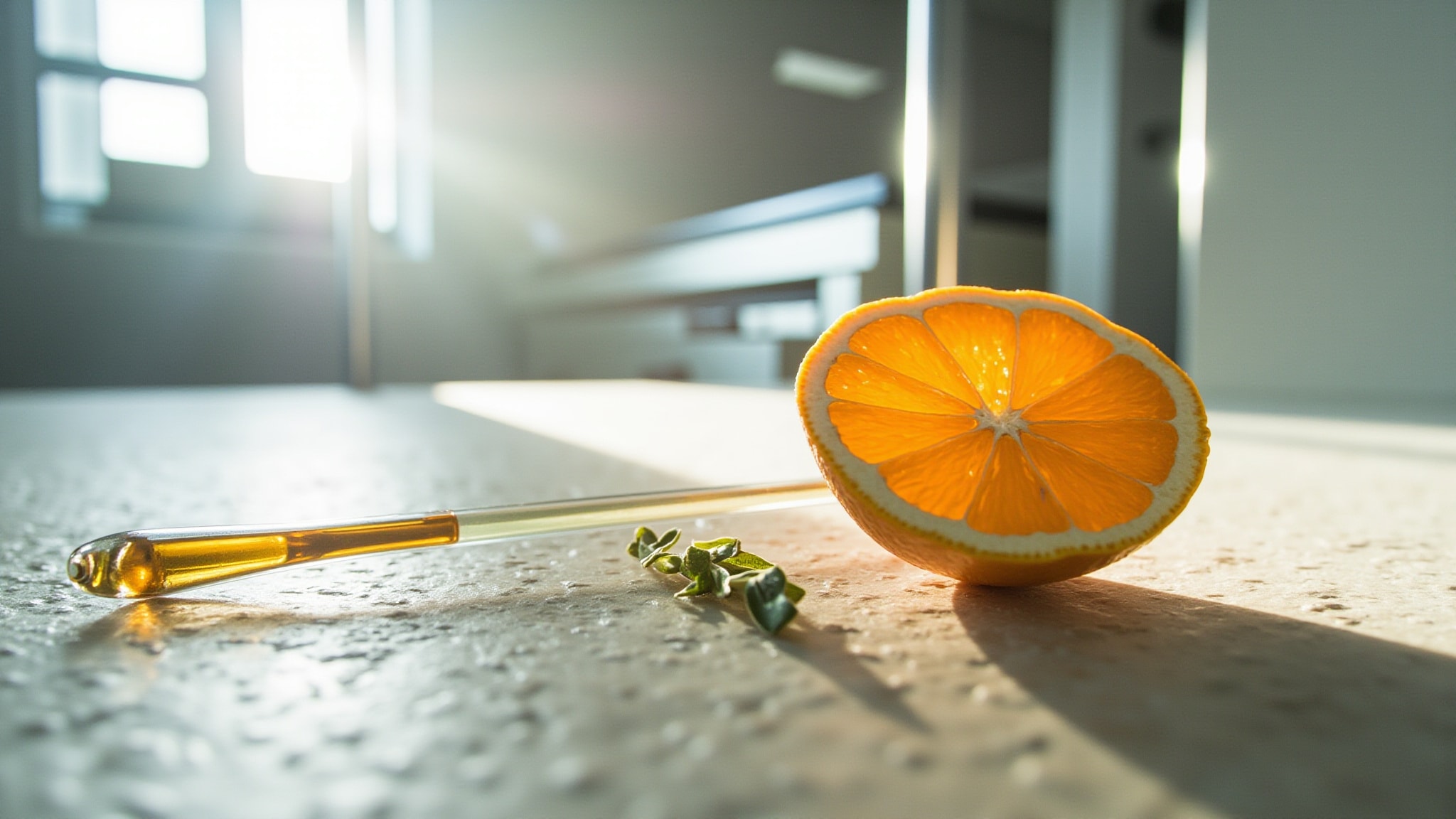
Olivier Cresp composed 23 Neroli, and the choice of perfumer tells you what the brief was after: neroli rendered not as a fleeting top note but as a structural element, a spine the rest of the composition can hang on. Cresp's hand built around that idea from the ground up, treating the flower as a complete botanical study rather than a single slice. Bitter orange brings the bright, almost bitter peel of the fruit, the pith and zest that gives neroli its initial lift. Petitgrain contributes the green aromatic snap of the leaf and twig, the vegetal bitterness that keeps the floral from drifting into something merely clean. Neroli itself, distilled from the blossom, sits between them and holds the whole thing together.
What makes 23 Neroli interesting is what it leaves out. Rather than building a cushion around the flower with amber underneath, musk behind, and sweetener to round the edges, the composition lets neroli, petitgrain, and bitter orange carry the load together, three expressions of the same bitter orange tree at different stages. Petitgrain brings the twig and leaf, the green aromatic bitterness that grounds the flower in something vegetal rather than purely clean. Its camphoraceous edge adds a cool, almost herbal snap that keeps the neroli tethered to the living tree it came from.
The evolution
The opening arrives sharp and immediate. Bitter orange and petitgrain crash together in the first ten minutes, that green-twangy zest hitting like peel squeezed between fingers, almost herbal in its intensity. The neroli is there from the start, but it shares the stage rather than leading. The petitgrain's slightly bitter, leafy character reads almost like crushed stem, a raw green that gives the opening its restless energy. Around the 30-minute mark, the bitter orange softens, its sharp citrus rounding into something riper and warmer, and the composition settles into a different register. The neroli comes forward, now less green and more honeyed, the floral character that this particular oil carries when it has room to breathe.
Cultural impact
23 Neroli sits in a small category of fragrances that take neroli seriously enough to let it lead the entire composition without cushioning it in amber or musk. The result wears like a botanical study rather than a conventional cologne, appealing to wearers who want their citrus to carry conviction rather than charm. By committing to the flower and letting three expressions of the same bitter orange tree (bitter orange, petitgrain, and neroli) do all the structural work, the composition positions itself as something closer to an olfactory portrait of a single plant than a typical citrus sparkle.
The House
LabSolueLabSolue is an Italian niche perfume house that blends artisanal craft with modern lab techniques. Based in Milan, the brand offers a curated line of fragrances that draw on natural ingredients and a family tradition of scent making. Each scent arrives in a bottle that references historic apothecary vessels, while the formulas emphasize balance and depth. LabSolue also designs home diffusers that echo the same amber‑glass aesthetic, extending the olfactory experience beyond personal wear.
The Creator
Olivier CrespCresp's signature style often features a blend of fresh, clean notes with warm, comforting accords. He's known for his masterful use of fruit notes, particularly fig and berries, which he often combines with florals and musks to create scents that are both inviting and sophist…