The Story
Why it exists.
The beginning
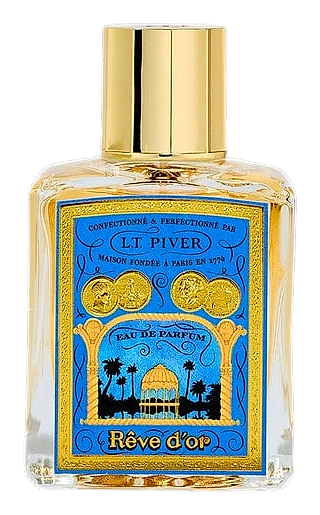
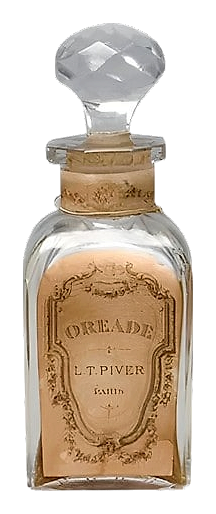
Oréade arrived in 1906, arriving from a house with roots stretching back to 1774, one of the oldest names in French perfumery. By the turn of the twentieth century, L.T. Piver sat comfortably among the most celebrated houses in the country, with over one hundred outlets and a long history of working with fine materials. Oréade takes its name from the oreads of Greek myth. The reference points outward, toward something older and stranger than a simple floral, toward a sense of landscape and altitude, of air that carries the memory of stone and wild herb. It's a name that does quiet work, suggesting a place where the cultivated and the untamed meet without one swallowing the other.
The composition leans on the materials L.T. Piver had been quietly perfecting for decades, powdery iris, delicate floral work, noble woods, subtle spice. Each element has been handled with the kind of care that only comes from working with the same families of ingredients over generations. The iris has that soft, suede-like weight that real iris butter gives you, the florals stay lifted rather than folding into confection, and the woods underneath carry the whole structure without ever pushing forward.
The evolution
On skin, Oréade opens with a bright, almost mineral lift. Not sharp, but deliberate, like the first breath of air through an open window in a stone house. Twenty minutes in, the iris arrives, and everything gets quieter. The powder builds, and it reads as something botanical and dry, not the cosmetic sweetness of talc. It smells like the inside of a wooden drawer where dried flowers have been kept for years. Floral notes move through the heart like half-remembered conversations, present but not insisting, layering against one another in soft registers that never quite resolve into a single identifiable bloom. By the second hour, the woods take the stage. A warm, woody presence settles in and gives the composition its underlying architecture. There's a warmth that rises from that woody foundation, but it never tips into sweetness or resinous heaviness.
Cultural impact
Oréade has been off the shelves for decades, which has made it a quiet grail among collectors who care about Belle Époque French perfumery. The fragrance occupies a particular place in the early twentieth century landscape, a moment when French houses were producing compositions of remarkable refinement, and Oréade stands as one of the more quietly distinctive examples from that period. Collectors who encounter it tend to speak of it with a kind of reverence, the way one might speak of a painting that never made it into the major museums but belongs there.