The Story
Why it exists.
The beginning
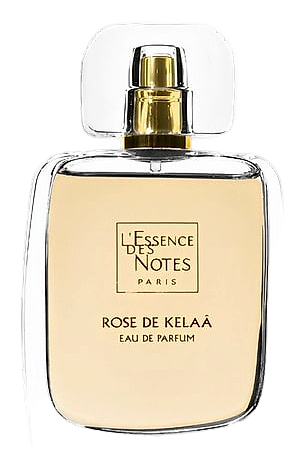
Rose de Kelaa has no verified launch year or named perfumer, so its story lives in the composition itself. Basil, galbanum, and lemon create a clipped green opening before Damask rose, jasmine, and plum unfold at the center. Oakmoss, patchouli, and vetiver give that floral arrangement a firmly grounded finish. The result fits the house's ingredient-forward approach: the rose is plainly present, but never treated as a solitary, precious thing. It shares space with fruit, greenery, and earth, turning a familiar floral category into a more tactile study of contrast.
What makes this rose worth a closer look is the company it keeps. Damask rose brings polish, while plum adds a dark, ripe edge that keeps the flowers from becoming sugary. Galbanum makes the opening green and slightly mineral. Jasmine adds soft radiance without taking over. Down below, oakmoss, patchouli, and vetiver create a chypre-like frame, lending the composition a damp, earthy pulse. The accord profile supports that reading: floral and mossy at once, with aromatic freshness on top and balsamic depth underneath.
The evolution
The opening arrives with a cool, clipped energy. Lemon gives it a clean flash, basil makes the air feel green and aromatic, and galbanum adds a resinous snap. As those notes soften, Damask rose and jasmine take the center, bringing a fuller floral shape. Plum is the useful interruption here, adding a dusky fruitiness that keeps the bouquet from drifting toward airfreshener territory. During the drydown, oakmoss, patchouli, and vetiver take over. The rose becomes less like a blossom and more like a trace left on damp earth. With moderate projection and a loyal following among enthusiasts, the final impression is floral, green, and quietly rooted rather than loud.
Cultural impact
Rose de Kelaa sits in the house's clear, ingredient-focused register, where fragrance is treated as an aromatic experience rather than a mystery. Its floral-chypre profile appeals to wearers who like rose with structure: recognizable, green, earthy, and practical enough for the hours between morning and evening.