The Story
Why it exists.
The beginning
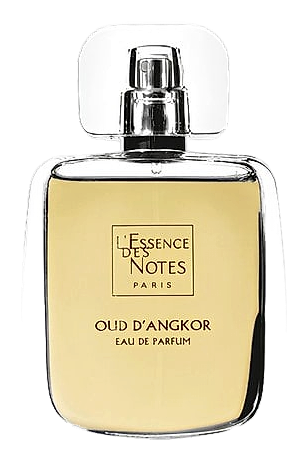
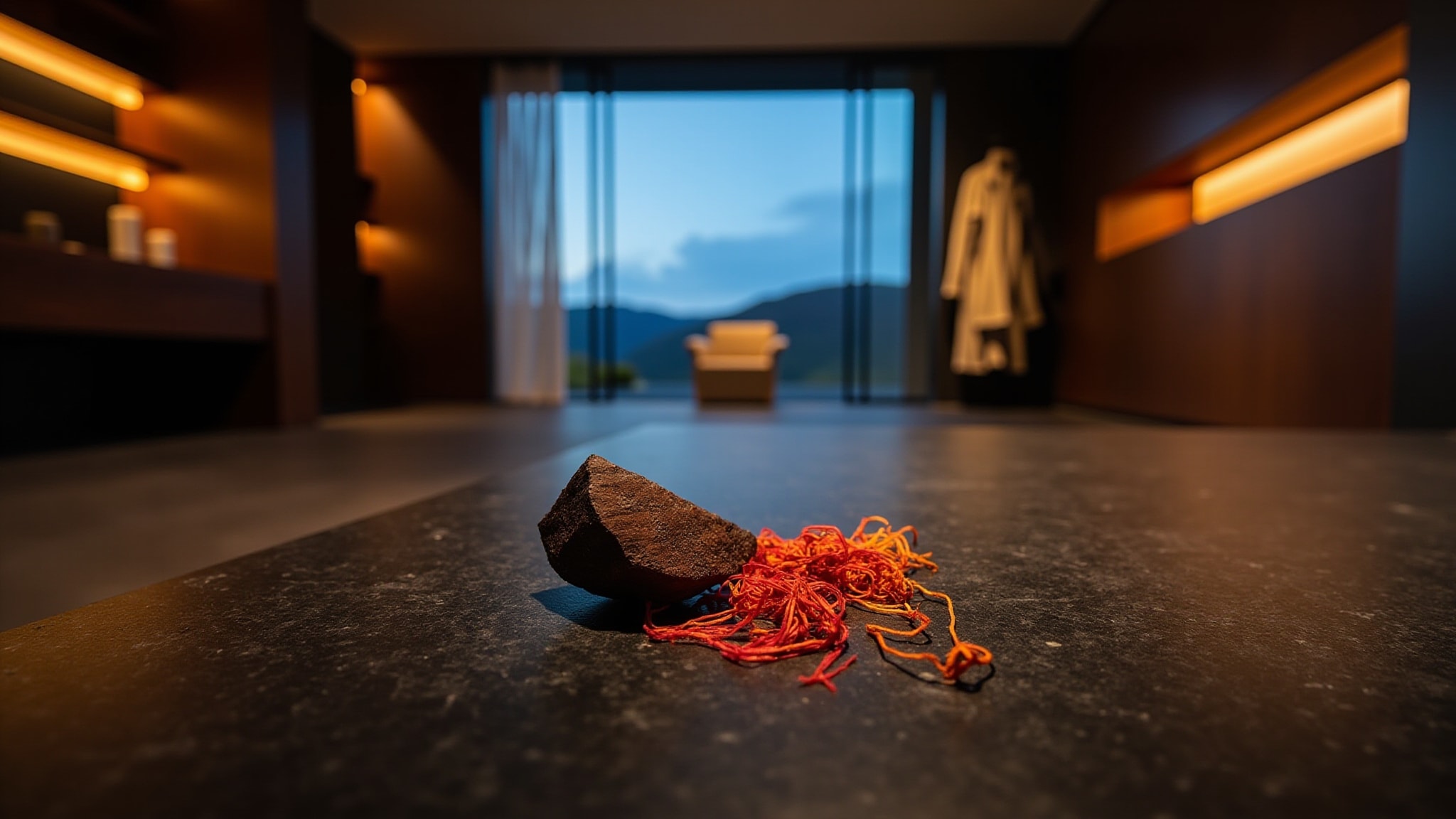
Oud d'Angkor comes from L'Essence des Notes. Its name points directly to oud, but the composition is less one-note smoke than a conversation between opposites: Egyptian geranium and chamomile bring a fresh, herbal lift, while allspice adds immediate heat. Cedarwood, saffron, and myrrh form a structured middle, where wood, spice, and resin meet with little pretense. The base anchors the fragrance in cypriol oil or nagarmotha, labdanum, patchouli, vetiver, and agarwood (oud), giving the final wear a warm, earthy, balsamic weight. As the opening brightness gives way, the dry woods, resinous materials, and patchouli create a deeper, more textured impression, with oud adding a dark richness rather than dominating every moment.
The unusual part is how clearly the top notes work against the base. Egyptian geranium and chamomile keep the opening green, herbal, and almost cool, while allspice presses warmth into the first impression. Cedarwood and myrrh make the middle feel architectural, and saffron gives it a dry, golden heat rather than sweetness. Below that, cypriol, labdanum, patchouli, vetiver, and oud create a dense woody foundation with an earthy, balsamic edge. It reads like a fragrance built around contrast, not decoration.
The evolution
On skin, Oud d'Angkor starts with a clean herbal lift. Egyptian geranium and chamomile create a fresh, green impression, then allspice brings a quick metallic warmth through it, like spice caught in cool air. The heart settles into cedarwood, saffron, and myrrh, moving from brightness toward dry resin and polished wood. As this opening softens, the composition becomes more cohesive: the cool green facets of the herbs temper the spice, while cedarwood gives the middle a steady structure and myrrh adds a faintly resinous depth. Later, cypriol oil or nagarmotha, labdanum, patchouli, vetiver, and agarwood take over. The result is warmer, darker, and more earthy, with oud giving the drydown a resinous gravity. Over time, the sharper opening settles into a close, woody presence, leaving a lingering impression of amber, earth, and polished wood.
Cultural impact
Oud d'Angkor can be explored as an ingredient-led composition in which oud shares the stage with herbs, spices, woods, and earthy materials. Egyptian geranium and chamomile introduce a fresh green quality, allspice brings warmth, and cedarwood, saffron, and myrrh create a structured transition toward the base. Cypriol oil or nagarmotha, labdanum, patchouli, vetiver, and agarwood give the fragrance its darker, balsamic character. The composition invites attention to how familiar oud can change when placed beside herbal brightness and dry, polished woods, offering a layered aromatic profile for discovery and close wear.