The Story
Why it exists.
The beginning
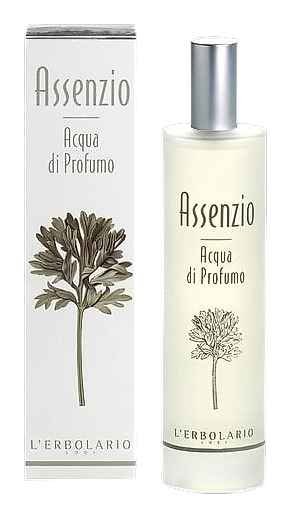
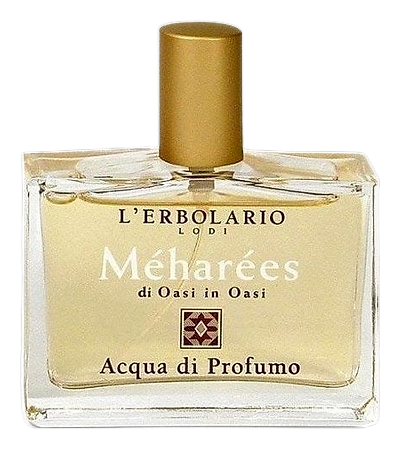
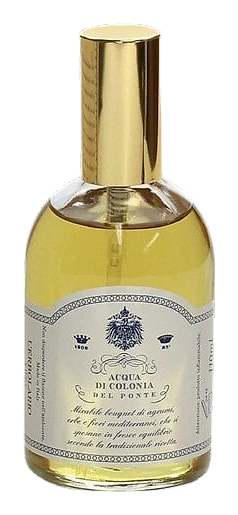
Acqua di Colonia del Ponte draws its name from the Italian tradition of acqua di colonia, the herbal colognes that have perfumed Italian households for centuries. The composition centers on wild sage, artemisia, and tarragon, anchored by lavender and finished with mastic resin. The result is a cologne that smells rooted in something specific and grounded, where the herbs take center stage rather than fading quickly. Wild sage brings a dusty warmth, tarragon offers a slight anise edge, and artemisia adds a bitter-floral quality that keeps things grounded. The lavender provides softness and the mastic resin lends a quiet resinous grip to the drydown, ensuring the herbal character persists throughout the wear.
What makes del Ponte unusual is the herb-to-citrus ratio. The citrus fades quickly, with bergamot doing its work in the first minutes. What remains is the green heart: tarragon's slight anise, wild sage's dusty warmth, artemisia's bitter-floral edge. The mastic base is sparse but present, giving the drydown a resinous grip that keeps the herbs from disappearing entirely. It's a cologne designed to smell like someone who knows their plants, not someone who picked a fragrance because the bottle was pretty.
The evolution
The opening hits bright and green, citrus oils lifting off, then a wave of crushed herb stems. Wild sage arrives first in the heart, joined quickly by tarragon's subtle anise and artemisia's medicinal-floral edge. The alpine lavender smooths everything into a soapy barbershop moment that lasts for hours. By the drydown, the citrus is gone and the herbs have softened into something quieter, the mastic resin adds a faint piney depth, like the memory of walking through a garden after rain. On fabric, it lasts longer than on skin, holding the herbal character well into the evening.
Cultural impact
Acqua di Colonia del Ponte reflects the approach L'Erbolario has always taken: working with botanical ingredients to create fragrances that capture the essence of plants. The focus remains on allowing each element to express its natural character rather than forcing an artificial impression. This approach guides the creation of each scent, with herbal notes and plant-based materials taking center stage in formulations that emphasize genuine botanical expression.