The Story
Why it exists.
The beginning
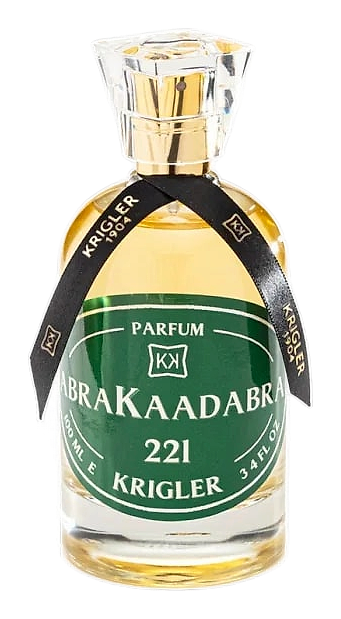
Some fragrances arrive chasing a mood. Abrakaadabra 221 chased a feeling: the exhale after something changes. Released in 2020, it takes its name from the incantation itself. Not the trick. The transformation. Described by reviewers as mystical and earthy, strong, sensual, healing and inspiring, the composition reads like that intention made tactile: aldehydes that flash and settle, Scottish hawthorn that feels less like a flower and more like weather, vanilla from La Réunion grounding everything in warmth. It's a floral aldehyde for people who want shimmer with substance, sparkle that doesn't evaporate the moment you step outside. The opening hits with a fizzy brightness, that signature aldehyde lift that recalls the grand florals of midcentury perfumery but lands cleaner, less powdery.
What's interesting here is the tension between structure and softness. The aldehydes belong to an older grammar of perfumery, one that prizes precision and effervescence, while the heart and base lean into something rounder: hawthorn for a green-creamy lift, sandalwood for quiet architecture, then La Réunion vanilla and Peru balsam for the kind of warmth that lingers. The interplay between those poles is where the fragrance does its real work.
The evolution
The first ten minutes belong to the aldehydes, sharp and bright, almost fizzy, with bergamot rounding the edges and Indian pepper adding a quiet warmth underneath. Then it shifts. The hawthorn arrives with something almost green, a coolness that cuts through the sparkle, and the lily of the valley lends a softness that keeps it from reading too austere. By the two-hour mark, the sandalwood has settled into the background, doing structural work without announcing itself. The drydown is where this earns its reputation: La Réunion vanilla, Peru balsam, tonka bean, and white musk build a creamy, slightly sweet base that stays close to skin for 8 hours. The next morning, what remains is warmth and musk, the gentle ghost of something floral underneath. It doesn't fade so much as it quiets down, becoming something you notice when you move your wrist rather than something that follows you across a room.
Cultural impact
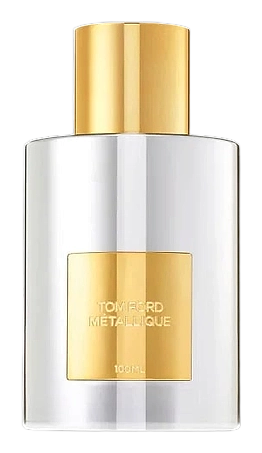
Abrakaadabra 221 occupies a specific territory within the aldehyde-floral conversation. One reviewer has drawn a comparison to Tom Ford's Metallique, noting a shared aldehyde backbone, though observing that the Krigler reads warmer and less metallic on skin. That single comparison captures something real about the composition: it carries the bright, almost electric lift that defines aldehyde-driven perfumery, but the vanilla and Peru balsam in the base keep it from sliding into cold or clinical territory.