The Story
Why it exists.
The beginning
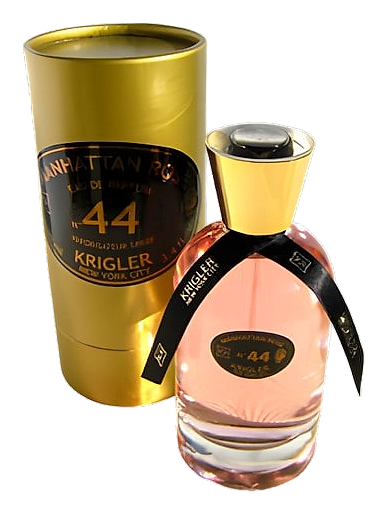
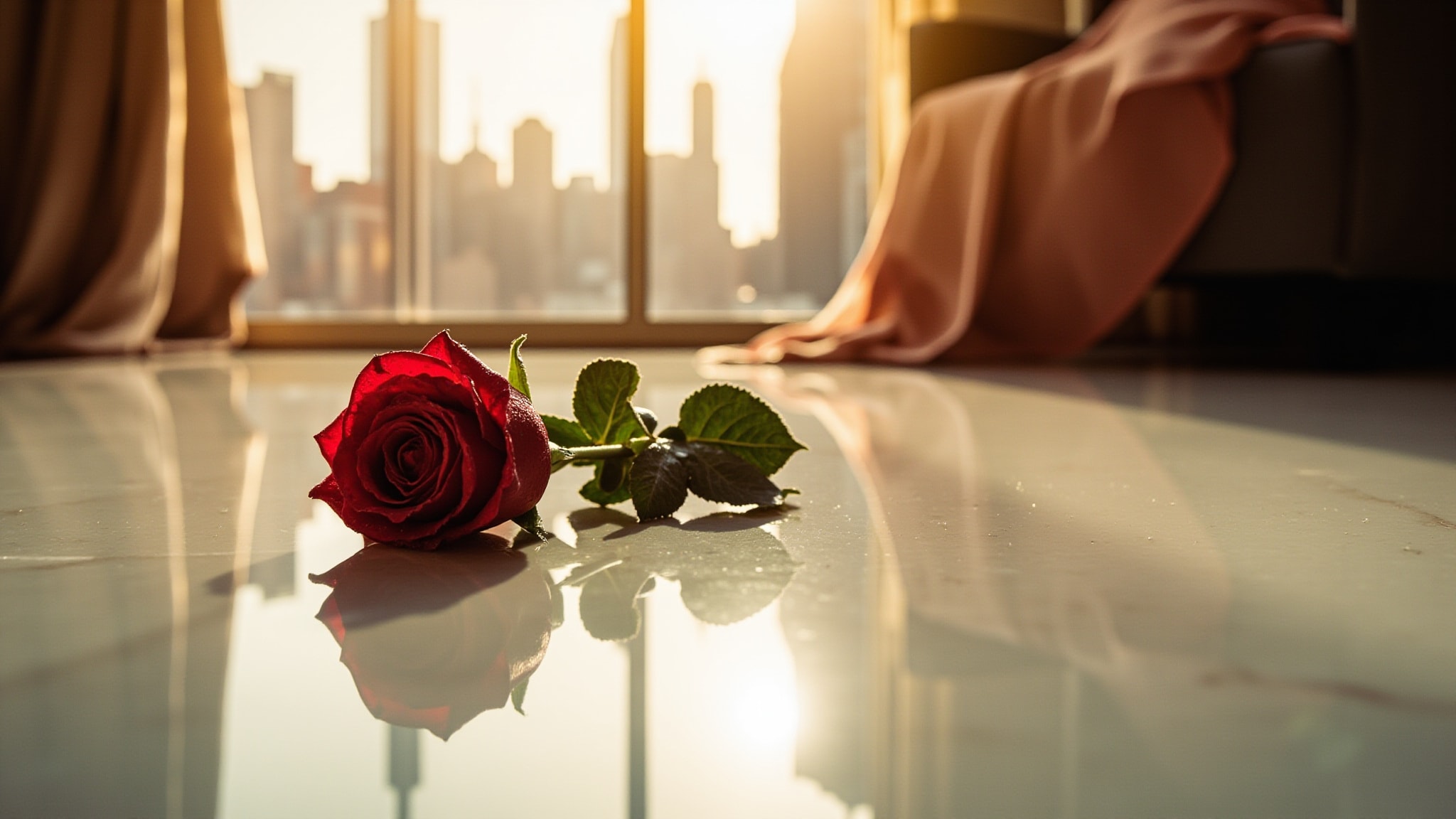
1944. Manhattan. A city rebuilding its skyline while the rest of the world was still counting wounds. Krigler, the French atelier with roots in St. Petersburg and a clientele that had always included diplomats and quiet collectors, launched a fragrance directly into that moment. Manhattan Rose 44 was named for the city that received it, not the city it came from. The composition pulled from Grasse and Beacon for its roses, aldehydes for their luminous lift, and a handful of materials that had no business working together. They worked anyway.
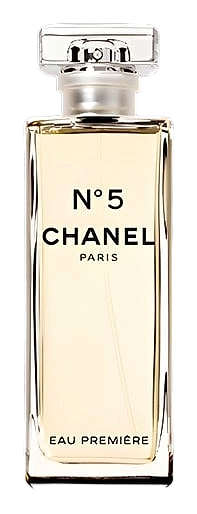
What makes the structure unusual is the aldehyde-rose pairing with cypress and violet. Aldehydes typically lift florals into something abstract and sparkling, Chanel No.5 territory, the clean mineral brightness that makes rose feel almost otherworldly. Here, the rose from Grasse is allowed to stay red and present, even slightly confrontational, before the aldehydes catch it and carry it somewhere powderier. The violet doesn't arrive politely. It seeps in alongside the aldehydes, giving the heart a slightly sweet, slightly soapy edge that most people either love or find peculiar. That's not a flaw. That's the structure.
The evolution
The aldehydes hit first. That's the tell. Bright, almost sharp, lifting everything that follows into the air before the rose arrives, red, present, slightly aggressive. It doesn't wait to be noticed. But the aldehydes are already changing it, making the rose smell less like a garden and more like the idea of a rose. Soapy. Mineral. Synthetic in the best way, the way that means intentional. Then the heart opens: violet and a ghost of cypress, with the rose water still holding on. The aldehydes begin to quiet. What was sharp becomes powder. What was confrontational becomes warm. The musk arrives last and slow, wrapping everything in something skin-close. The drydown is the whole point. Eight to ten hours of a rose that started by shouting and ended whispering. Violet powder. Clean musk. A hint of green from the cypress that keeps the sweetness from ever getting cloying. This is the arc, not improvement, not transformation. Resolution.
Cultural impact
Manhattan Rose 44 arrived in 1944, a period when European perfume houses were disrupted by war and American perfumery was still finding its voice. Krigler positioned the fragrance as an alternative to French classics for New York's diplomatic and private client circles. Its aldehydic rose structure, while referencing Chanel No.5, pushed toward something greener and more assertive. The fragrance's continuous production across decades makes it one of the longest-running American-designed aldehydic roses still available. Its presence in Krigler's catalog has made it a reference point for understanding mid-century American fragrance design, particularly how perfumers navigated between French tradition and American taste during a transformative era.