
The Story
Why it exists.
The beginning
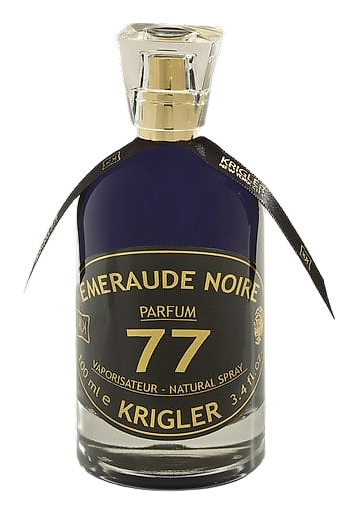
The name comes from a family jewel, l'Emeraude Noire, a dark emerald passed through Russian hands before the century turned. Krigler didn't want to bottle a gemstone. They wanted to bottle what it felt like to wear something precious and private, something nobody else could name. The brief was simple: translate that weight into scent. Black pepper and bergamot for the first surface, the sparkle before you understand what you're dealing with. Amber and patchouli underneath, resinous, earthy, the structural core. Vanilla and labdanum at the base, because a treasure like that deserves a long exhale. Paris claimed it in 1977. The city took one look and made it theirs, not the flashy Paris of monuments, but the Paris that lives in narrow streets and closed doors, where knowing and being known are different currencies entirely.
The note structure is deliberately old-fashioned in the best sense. Pepper and nutmeg in the top aren't there to shock, they're there to introduce. Think of them as the handshake before the conversation gets interesting. The amber-patchouli heart is where the fragrance stops performing and starts being: warm, resinous, slightly animalic in the way real things are animalic. What makes this unusual is the labdanum. It's not a common player in modern compositions, too resinous, too much of a commitment, too much history packed into a single material. Combined with Tahitian vanilla, it creates a base that doesn't just linger. It recollects.
The evolution
The opening announces itself with pepper first, then bergamot, a brief citrus brightness that doesn't apologize for the spice underneath. The nutmeg is quiet at first, but it deepens everything, keeps the bergamot from going sweet too soon. Twenty minutes in, the amber arrives. Suddenly the composition shifts, warmer, more resinous, the vanilla already pulling through the patchouli. This is the heart of the fragrance: the moment it stops being about individual notes and becomes about sensation. Warm amber, earthy patchouli, the faintest edge of something animalic that most wearers describe as skin-like. By the third hour, the drydown settles. Vanilla and labdanum, close to the skin, intimate, lasting well into the evening. On fabric, this one lives for hours. The next morning, there's still something warm and resinous in the weave.
Cultural impact
Still in production since 1977, Emeraude Noire 77 has accumulated a small devoted following among those who discovered it in Paris or through private atelier referrals. The fragrance occupies a specific niche: warm enough for cooler months, animalic enough to be memorable without being aggressive. It's the kind of scent that doesn't trend because it doesn't need to.