The Story
Why it exists.
The beginning
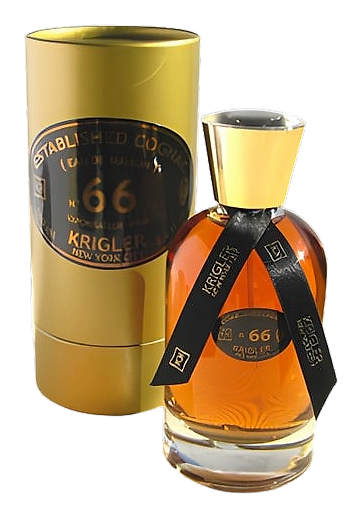
London, 1966. A city that had opinions about everything, including what a gentleman should smell like. The Krigler house, already known across Europe for its private atelier work, looked at London's smoky bars, its tailored atmosphere, its after-hours culture and thought: there's a fragrance here. Cognac because it was the drink of the room. Apple because a spirit can be too much, and someone needed to keep it honest. The result became a London classic, beloved by men and surprisingly sought after by women who appreciated its warm, unhurried character. More than half a century later, it still wears like a habit worth keeping.
What makes Established Cognac 66 unusual is the honesty of its materials. The opening smells so much like cognac that the first impression is almost funny, then it isn't. The composition shifts into something almost floriental as it settles, with the oak and marigold combining to suggest tobacco without actually containing it. The caramel is a brief whisper in the very opening. What lingers is the apple-cognac duet: crisp and spirituous at once, warm without heaviness. It's a balancing act that many modern fragrances attempt and fewer achieve.
The evolution
The cognac opens like a glass that's just been poured. That spirit-room accuracy is the first statement, and it's a bold one. Within minutes the apple appears, fruity, slightly tart, keeping the spirits note from being too much. The marigold brings a quiet warmth that reads almost floral but doesn't tip into femininity. Then the oak arrives. It doesn't replace the cognac so much as absorb it, the two notes settling into each other as the fruit fades. The drydown is warm, intimate, close to the skin. On fabric it lingers for hours. On skin it softens but doesn't disappear, there's always something there, a warmth that stays.
Cultural impact
Established Cognac 66 arrived in 1966 as a counterpoint to the floral-heavy fragrances of its era, offering instead a warm, woody-gourmand composition built around cognac and apple. The fragrance predated the later wave of niche woody-oriental spirits that would gain popularity decades later. Its continued production over more than 50 years speaks to a dedicated following that values its restrained, unhurried character. The literal use of cognac as a primary note was unusual for its time and remains distinctive today.