
The Story
Why it exists.
The beginning
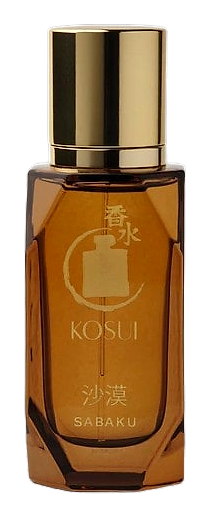
Sabaku means desert in Japanese, and Kōsui treated the word less as a place than a feeling. The brief asked perfumer Yusuke Masuda to translate arid heat into something wearable. Not the sand-and-sun version. The dusk version, when the light goes amber and the air carries resin and smoke from somewhere you can't see. Masuda worked in the oriental woody register, a family that depends on oud, sandalwood, labdanum, and castoreum doing slow work together. Coriander and rose anchor the top, a strange pairing that reads as spice meets dried petal rather than anything traditionally floral. The composition doesn't aim for prettiness. It aims for the silence after a long, hot day, when nothing moves and everything smells like it.
What's interesting is the restraint. Coriander and rose at the top sounds soft, even pretty on paper, but paired with the castoreum and patchouli waiting in the heart, it lands as something stranger. Labdanum in the base does the heavy lifting, that ambered, almost-sunburned resin note that smells like heated stone. The oud is present but not loud. The leather is refined, not rugged. Every material pulls toward warmth, toward closeness, toward skin rather than air. Masuda built a desert that lives on a body, not a landscape.
The evolution
The composition opens with coriander and rose catching the first light, almost luminous on skin. Within minutes the heart descends - castoreum, patchouli, and sandalwood settle into a resinous, animalic warmth that grows darker by the hour. By the second hour the labdanum, leather, and oud base has fully claimed the composition, pulling close against the skin as a smoky, intimate signature that lingers into the evening.
Cultural impact
Sabaku uses the Japanese word for desert paired with an oriental woody structure, and the choice feels deliberate rather than decorative. The oriental woody register is one of perfumery's oldest frameworks, built on oud, sandalwood, labdanum, and castoreum, and Masuda's treatment of it leans into the family rather than away from it. The resin and smoke associations it triggers land differently than the brighter, citrus-driven desert fragrances that have proliferated in recent years. Instead of sunshine and cactus, Sabaku reads closer to a landscape at rest, a desert that has been cooling for hours and is only now releasing its scent.
The House
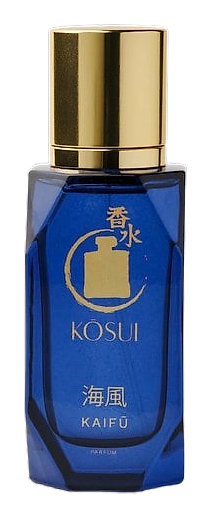
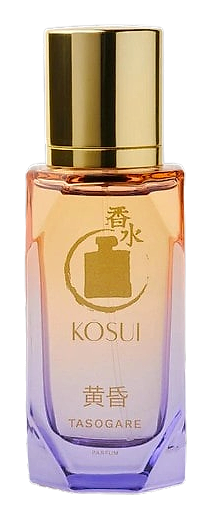
KosuiKōsui is a Japanese-inspired niche fragrance house founded by Warren Bacal. The brand draws on natural landscapes and cultural touchstones of Japan, from bamboo forests evocative of Arashiyama to the arid beauty of desert imagery seen in Sabaku, its debut oriental woody composition. Operating as an independent project, Kōsui positions itself within the growing field of culturally specific niche perfumery, where regional aesthetics guide scent direction rather than market trends. The house debuted in 2026 with three inaugural releases: Sabaku, Tasogare, and Kaifu.
The Creator
Yusuke MasudaMasuda favors transparent, airy structures with a pronounced mineral edge. Japanese ingredients anchor his palette: hinoki cypress, green tea, yuzu, and white musk appear frequently alongside French classics like Grasse jasmine and May rose.