Heritage
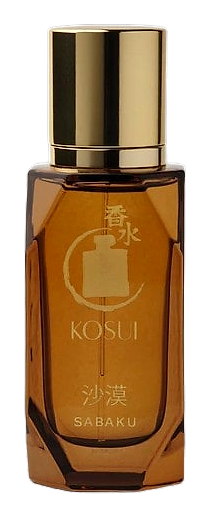
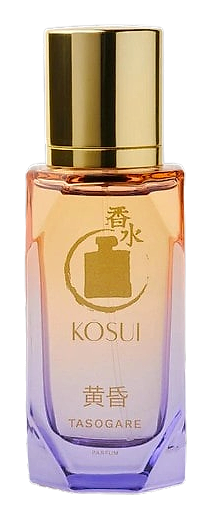
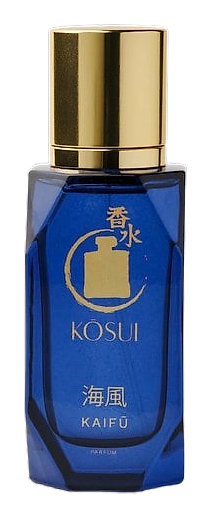
A house, in its own words
Kōsui is a young, independently built brand. Founder Warren Bacal, working from the United States, conceived the label after noticing how few niche perfume houses were engaging seriously with Japanese olfactory culture. Rather than borrowing superficially, Bacal oriented the house around Japanese language itself, choosing titles like Sabaku, Tasogare, and Kaifu that carry specific natural and emotional connotations in Japanese. The decision to build a brand around a non-English vocabulary signaled an early creative direction: the house would treat translation and cultural fidelity as part of its identity. Because the brand is new and operates on a small scale, its history is still being written, and most of what is known about its origins comes from Bacal's own founding statements and early independent press coverage. What separates Kōsui from other 'Japanese-inspired' launches is the extent to which the language, imagery, and ingredient palette are treated as a single cultural project rather than a packaging exercise. This is a house in its earliest years, but one with a clear, deliberate point of view. The core idea behind Kōsui is that scent can carry cultural meaning across distance. Bacal has spoken about building the house from a sense of absence, the feeling that something specific was missing from the niche fragrance landscape. That something was a sustained, thoughtful engagement with Japanese scent traditions rather than the occasional cherry blossom note or bamboo accord dropped into a Western formula. The brand's philosophy privileges evocation over imitation. Rather than reproducing specific Japanese landscapes literally, Kōsui works in the emotional register those landscapes suggest: the hush of a bamboo grove, the shifting light of evening, the dry heat of a desert plain. Titles are drawn from Japanese vocabulary so the names themselves carry layered meaning, refusing the Western convention of abstract or feminine product naming. The creative direction treats each fragrance as a small, self-contained cultural transmission, a wearable interpretation rather than a copy. This positions the house as a translator between two perfumery traditions, committed to keeping the original language visible in every part of the presentation.