The Story
Why it exists.
The beginning
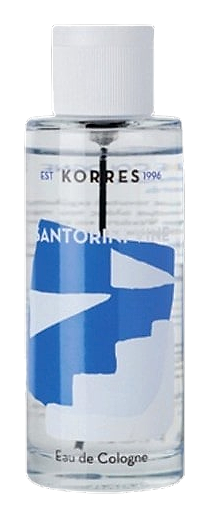
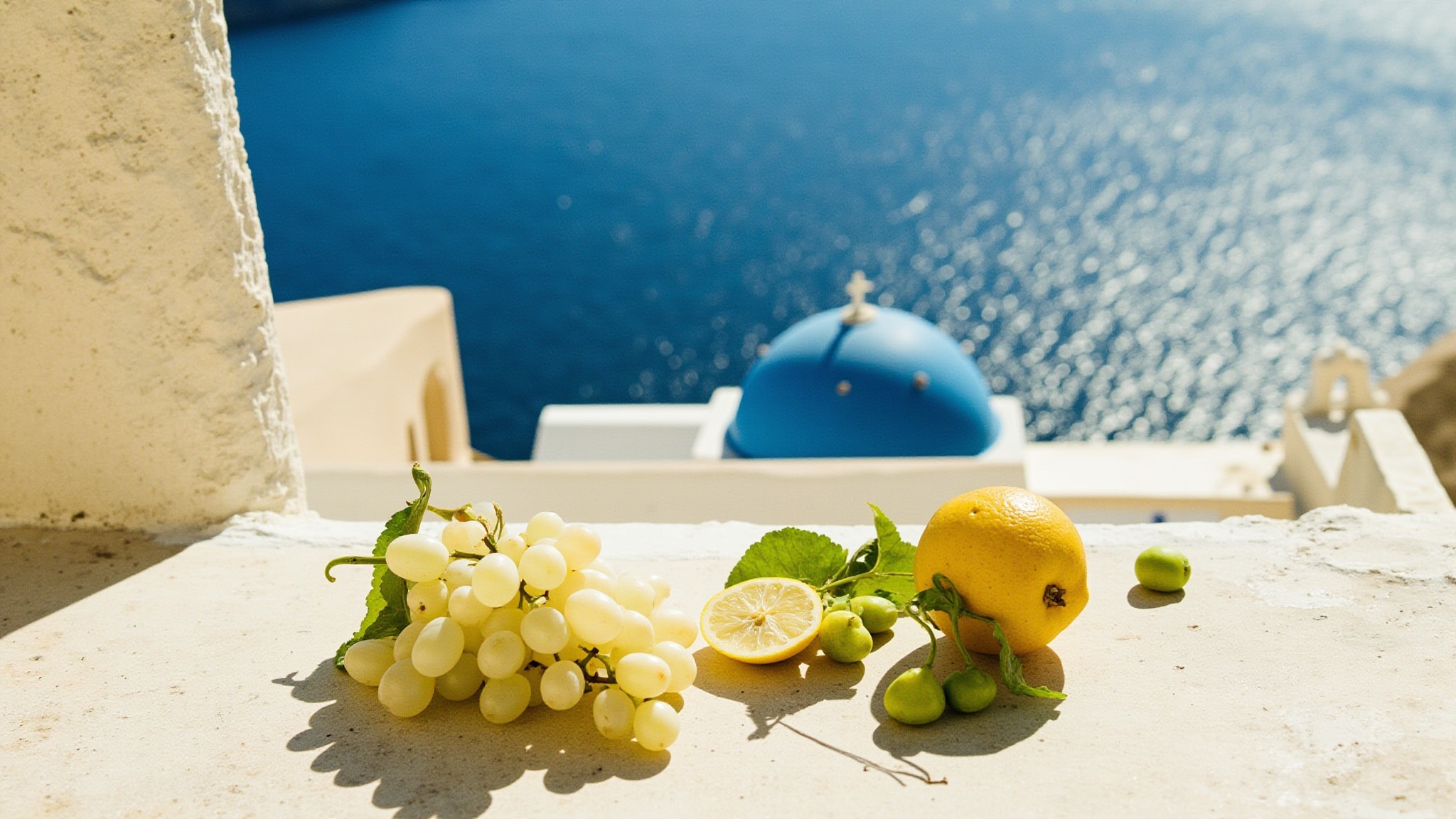
Santorini Vine came out of KORRES in 2016, and the name does most of the storytelling. The Greek island of Santorini has long been associated with grape cultivation, so the name carries weight before you even spray. The grape leaves, the salt air, the fruit ripening under relentless Aegean sun. That's what landed in the bottle. Stone, sea, green, and sweetness that never gets heavy. The composition reads as a place translated honestly rather than reinterpreted through a perfumer's hand. The opening carries that warm, sun-warmed quality you'd expect, almost like the air above a vineyard at midday. The green note underneath the fruit feels genuinely vegetal rather than synthetic, giving the whole thing a rooted, organic edge.
The fruit in Santorini Vine stays grounded by what surrounds it. The green vegetal quality running underneath keeps the sweetness honest, preventing it from sliding into candy territory. The result is a composition that tastes like a memory of fruit rather than fruit itself, ripe but not sticky. There's a tension throughout the wear between the juicy, ripe elements and a drier, more mineral backbone that keeps everything lifted. The aquatic accord reads as salt rather than blue, more like a fine mist over still water than a splash of generic marine notes.
The evolution
The first ten minutes are pure citrus snap. Lemon and peach peel themselves open with almost no ceremony, bright and immediate, almost like biting into cold fruit. Within thirty minutes the green apple and grape leaves arrive, and the scent shifts from breakfast table to garden. The aquatic notes slide in around the one-hour mark, bringing a saltiness that keeps everything lifted rather than letting the fruit collapse into sweetness. By the third hour, the fruit has mellowed into something softer, more blurred, but the salt and the green leaves are still working underneath. The drydown is where it surprises: instead of disappearing into a generic skin musk, it leaves a trail of grape leaf and faint stone. Around the four-hour mark the top notes have largely faded, but the green and mineral middle still projects gently.
Cultural impact
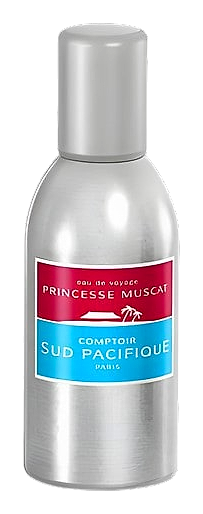
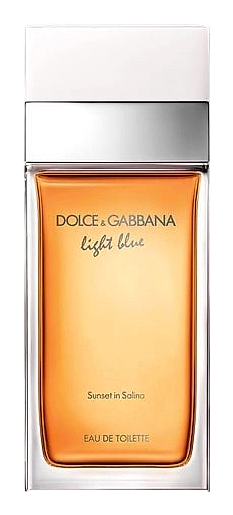
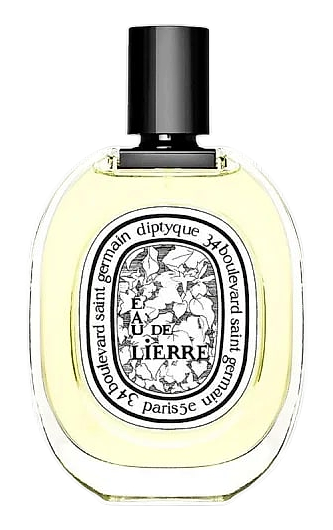
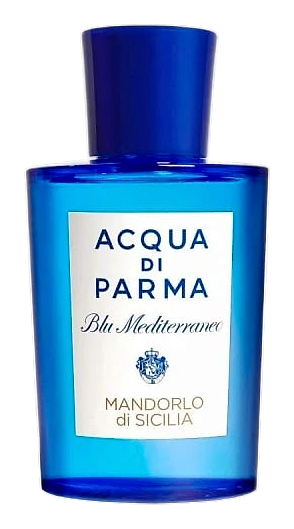
Santorini Vine sits in an interesting corner of the fragrance world. It's been compared to Acqua di Parma's Mandorlo di Sicilia and Dolce & Gabbana's Light Blue Sunset in Salina, two other Mediterranean-adjacent compositions that share a similar sensibility of sun-warmed fruit and coastal salt. The fragrance found its audience among wearers drawn to clean, place-driven compositions, the kind of scent that suggests a specific setting without naming it. It wears like a coastal summer, all brine and sun-warmed skin and that dusty quality of stone terraces in late afternoon.