The Story
Why it exists.
The beginning
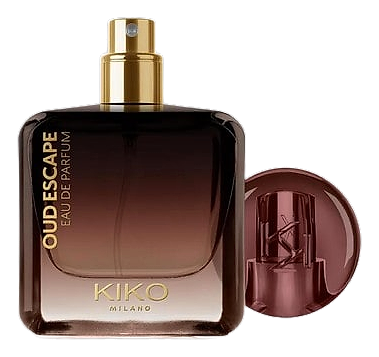
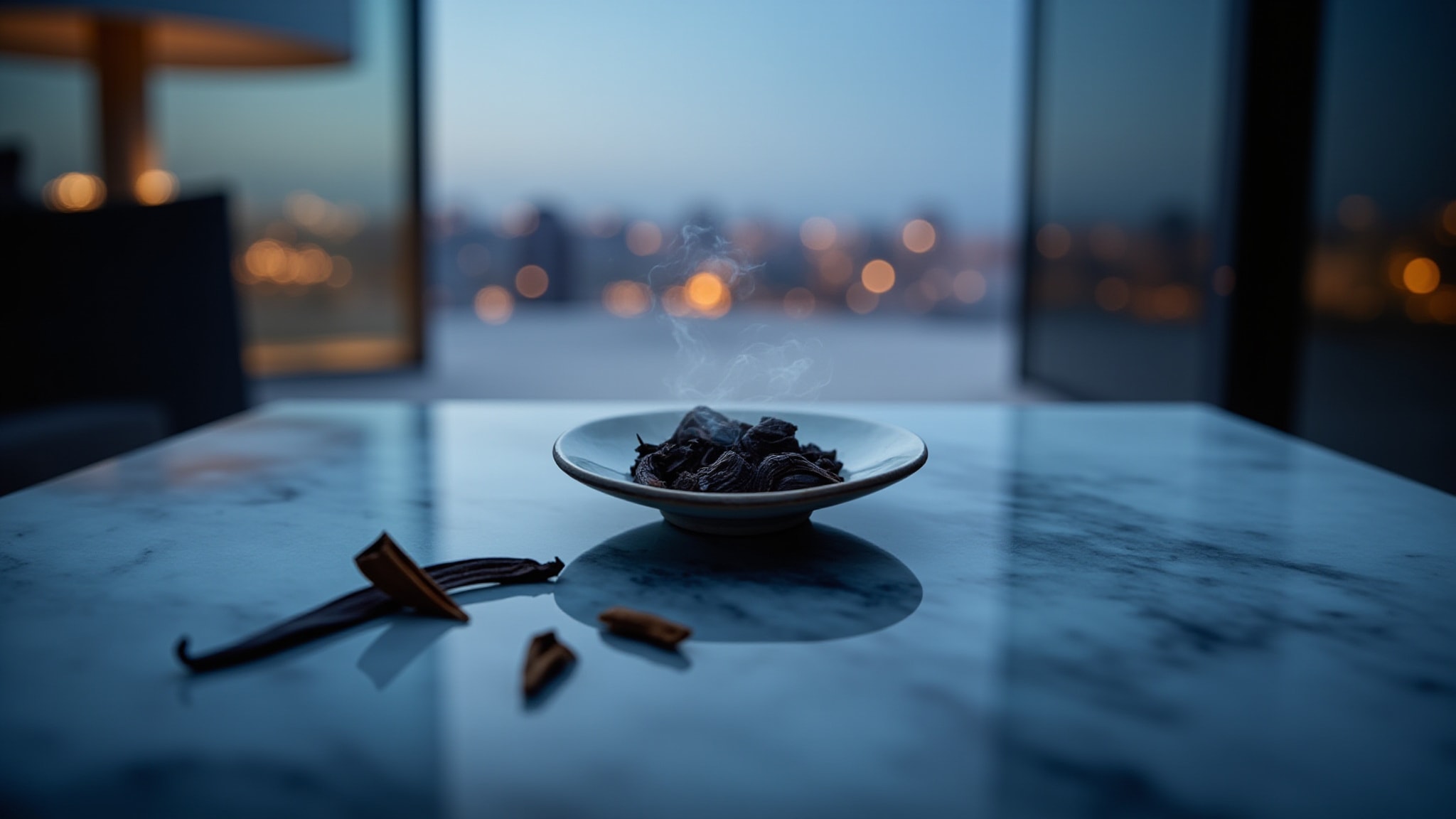
Oud Escape arrived in 2026 as part of Kiko Milano's Threads of Time collection, a series built around the idea of scent as passage. The brand frames it as a journey through new horizons, doors inlaid with wonder, date palms, and dunes shaped by wind. The imagery points somewhere far from Milan, even though the juice was composed and bottled in Italy. The collection leans into fragrance as a way of arriving at a feeling without booking the ticket, and Oud Escape is the oriental-leaning entry in that lineup. It trades the cleaner, brighter territory most district-themed releases tend to favor for something denser and more atmospheric.
What makes the composition interesting is where the oud sits in the pyramid. Here, oud is listed in the top three alongside cinnamon and clove, which means it shows up early and stays present rather than waiting its turn. The spice gets to argue with resin from the first spray instead of surrendering to it hours later, and the result is a top phase that feels dense and almost edible.
The evolution
The opening is the loudest the fragrance gets. Cinnamon and clove arrive with genuine heat, almost edible, the kind of spray that makes a room smell different. Oud threads through almost immediately, darkening the spice without quieting it. Around the early minutes, jasmine peeks through the haze, not as a floral statement but as a softening agent, a small breath of white petal between all that weight. Cedarwood and sandalwood start building underneath, and the composition shifts from hot to warm. The drydown is where the fragrance becomes its most wearable self. The spice fades to a suggestion, a low warmth rather than a sharp accent. Vanilla, tonka, and ambergris take over, and the white musk pulls everything into a soft, slightly sweet skin scent that sits close to the body.
Cultural impact
Oud Escape sits at the intersection of two of Kiko's instincts: the brand's Italian instinct for accessible composition and its newer curiosity about eastern-leaning olfactive territory. The fragrance leans into oud-and-spice vocabulary without the formality that often comes with it, bringing warmth and depth to a release that reads as wearable rather than ceremonial. It's a fragrance for someone who wants the richness of a traditional oriental without the costume of one, someone who treats scent as part of getting dressed, not as a piece of theater.