
The Story
Why it exists.
The beginning
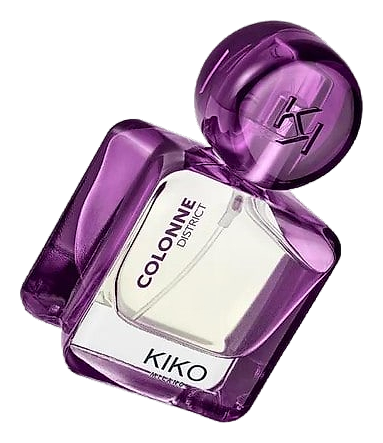
Kiko Milano built the Scent of Milan collection as an olfactory map of the city, each fragrance a neighborhood, each neighborhood a mood. Colonne District takes its name from Milan's famous porticoed streets, the covered walkways where the city breathes in summer rain and walks out in autumn light. The brief was simple: translate that particular atmosphere into a scent. What does a colonnade smell like? Cool stone and warm air. Green shade and the amber glow of late afternoon. The accord of fig leaf with vetiver and sandalwood answers that question directly, structured and soft, historic and lived-in, exactly like the columns themselves.
The Orpur® designation on the cardamom and vetiver matters here, these are traceable, quality-assessed essential oils from known origins, not generic 'cardamom note.' The Indian cardamom brings a warm, slightly camphorated spice that cuts through the green fig leaf without fighting it. The Haitian vetiver underneath is earthy, almost smoky, a grounding quality that mirrors how stone holds coolness through the hottest part of the day. Australian sandalwood, also Orpur®, provides the creamy wood base without the heaviness of some sandalwood oils.
The evolution
The opening hits bright and green, fig leaf and white tea with a peach note that reads more like scent memory than literal fruit. It's the cool side of the fragrance, and it doesn't last long. Within twenty minutes, the cardamom announces itself, warm and slightly sharp. The fig leaf fades. The tea remains, ghostlike, underneath. The heart phase is where Colonne District earns its name: iris powder, plum sweetness, and vetiver earthiness merge into something that smells like the shadow between columns, sheltered, warm, still. The drydown takes its time. Sandalwood and amber arrive last, and this is where the fragrance proves it was worth the wait, soft, warm, close to the skin, still present four to six hours later on most skin types. On clothes, it lingers overnight.
Cultural impact
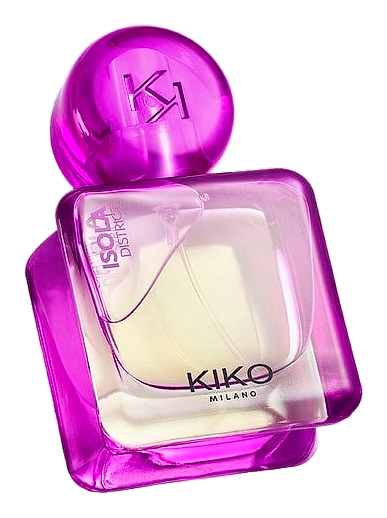
The Scent of Milan collection positions each fragrance as a neighborhood, not just a mood, but a specific place in a specific city. Colonne District joins Montenapoleone District (2024) and Isola District in an ongoing project to translate urban geography into olfactory language. The collection has found an audience among wearers who want fragrance to mean something specific, who want to smell like a place, not just smell good. Colonne District sits in the woody-aromatic space of the collection, leaning cooler and greener than the Montenapoleone offering, which suggests a different time of day and a different kind of confidence.