Australian Sandalwood Orpur
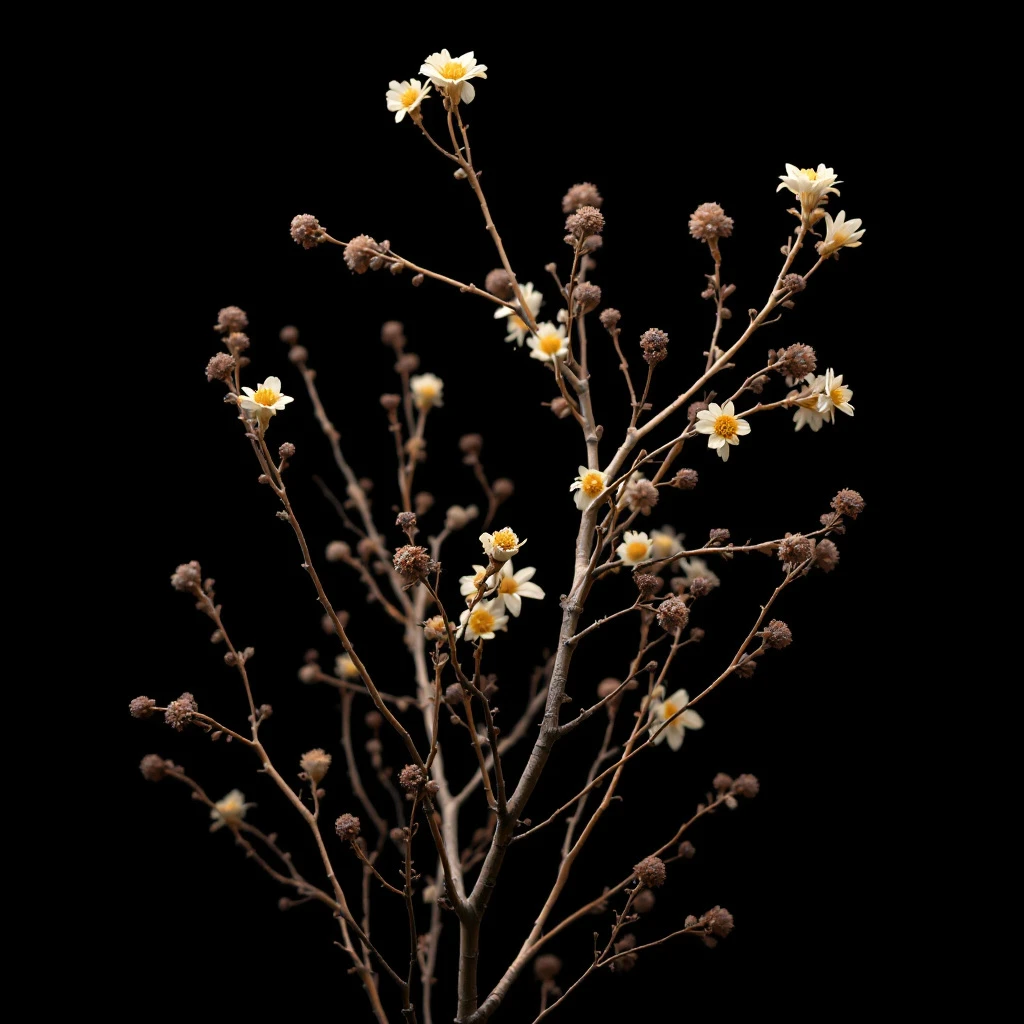
Indigenous to Western Australia, Santalum spicatum delivers a warmer, more camphoraceous profile than its Indian cousin. Orpur® grading elevates this wood into perfumery's most coveted ingredient.
Character
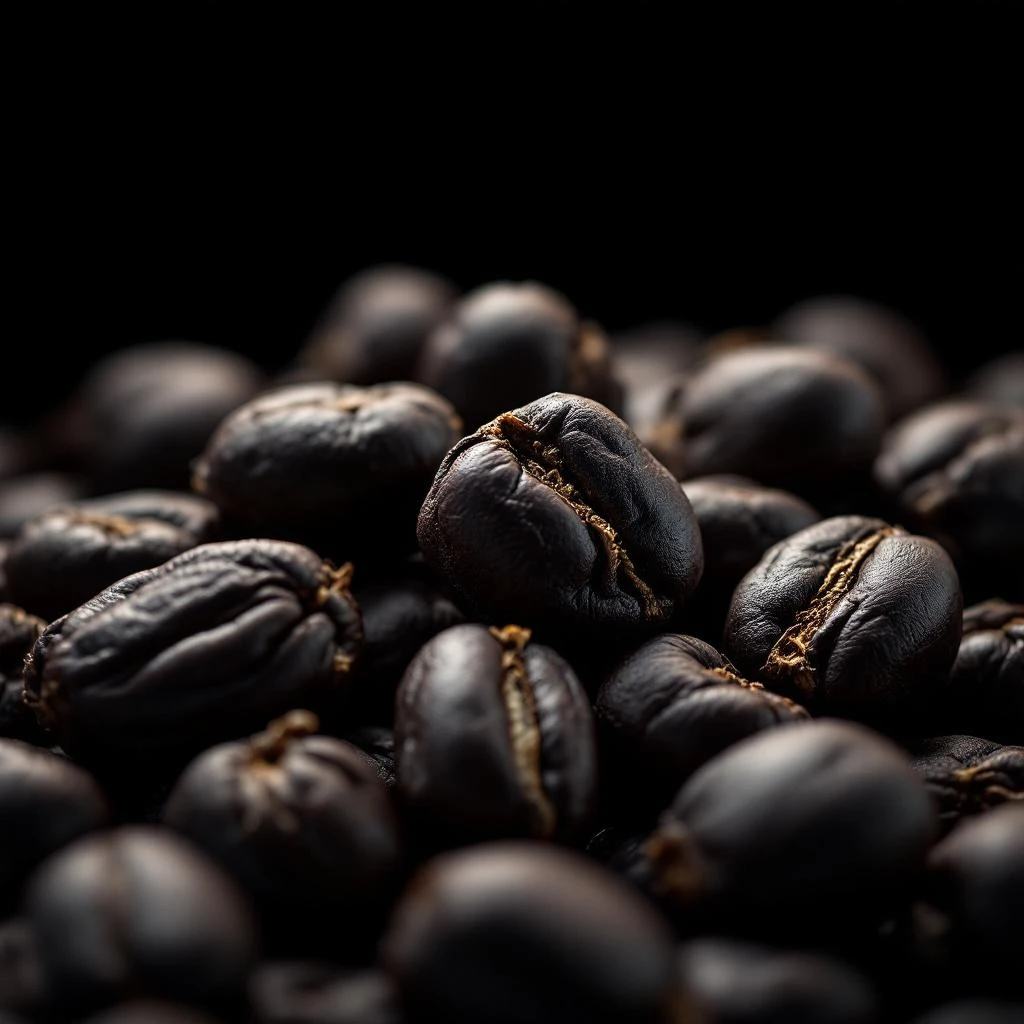
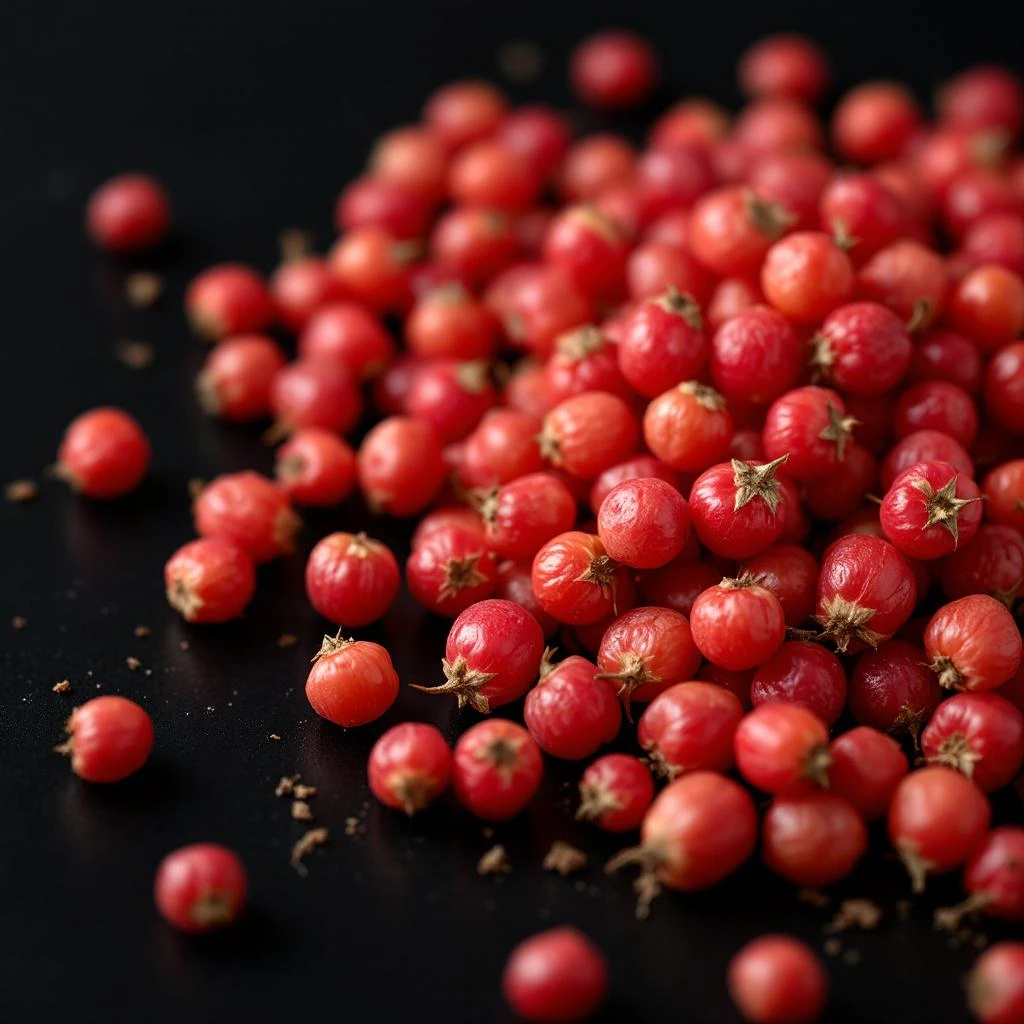
How it smells
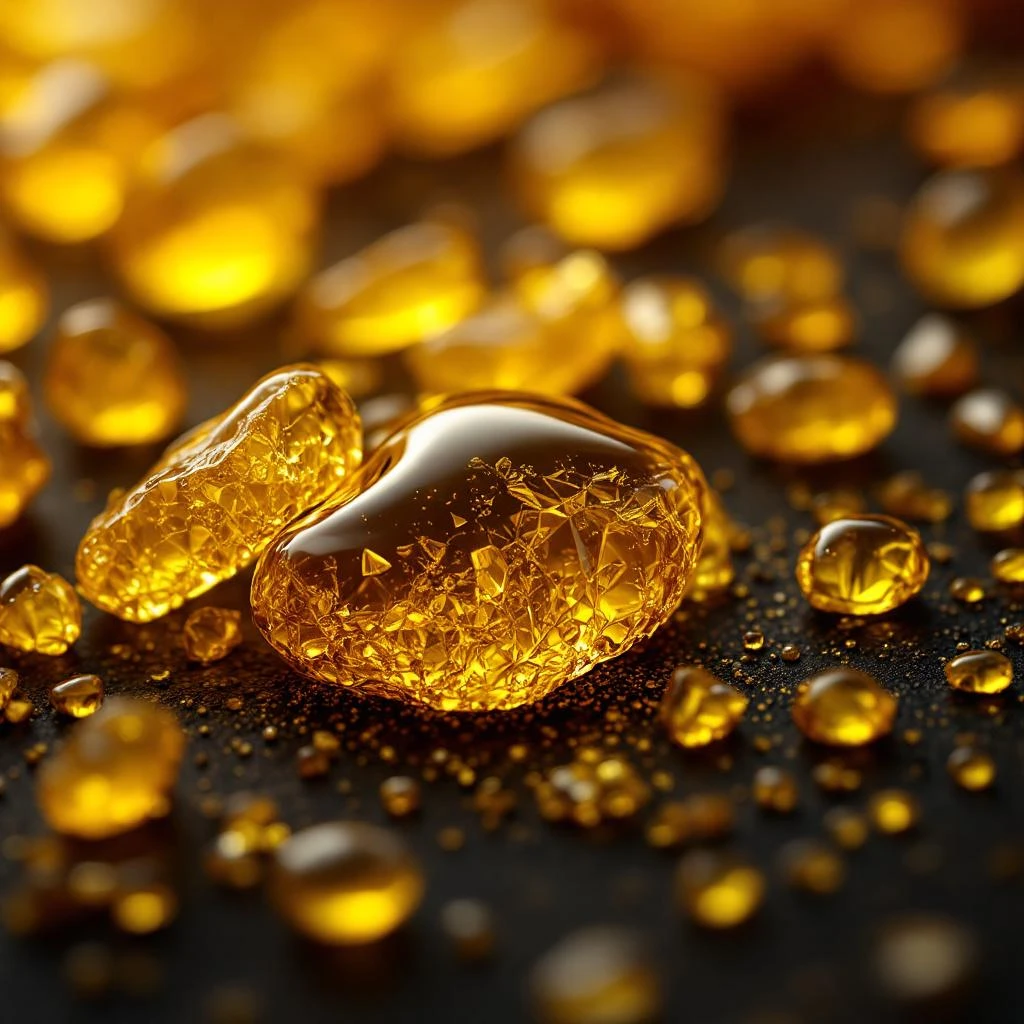
Australia's liquid gold, refined by Orpur®
Australian sandalwood trees are partial parasites, anchoring into neighboring plants' roots to draw water and nutrients during early growth.






Origin
Australia
Sandalwood has been used in perfumery for over 4000 years, with ancient Arab perfumers first discovering its magic by grinding the wood into powder for solid perfumes. For centuries, Indian sandalwood dominated Western fragrance traditions, prized for its sweet, creamy warmth. By the mid-20th century, Indian Santalum album supplies dwindled under heavy harvesting, prompting European perfume houses to seek alternatives.
Western Australia had been quietly cultivating Santalum spicatum since the 1870s, and by the 1970s it emerged as the primary supplier to European fragrance industries. Today, Australia produces the majority of the world's sustainable sandalwood oil. The Orpur® designation represents the highest quality tier within Givaudan's sourcing program, reserved for ingredients meeting exceptional purity and sustainability standards.
This recognition places Australian sandalwood alongside perfumery's most treasured natural materials.
Wears it best
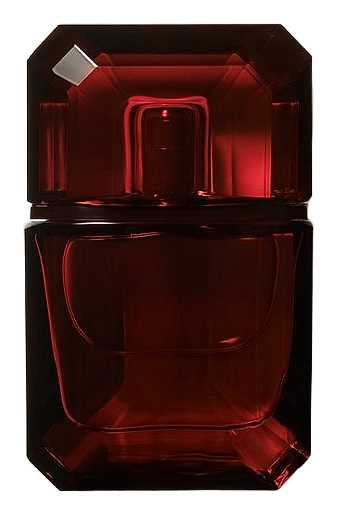
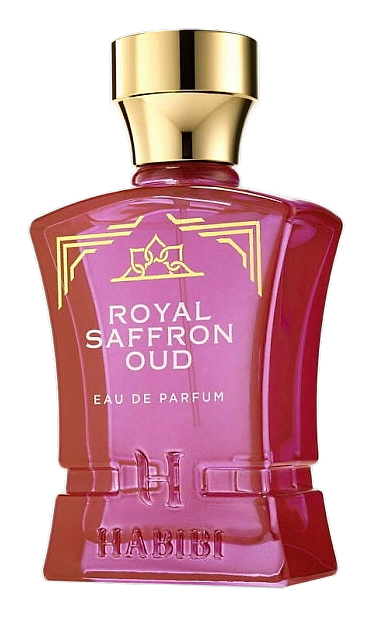
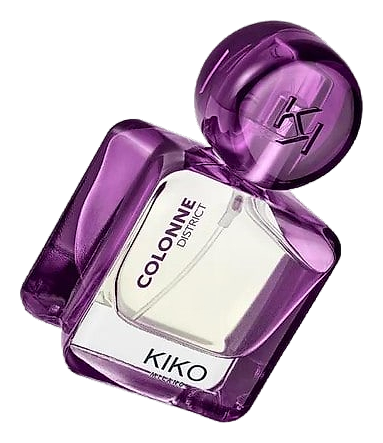
Fragrances featuring Australian Sandalwood Orpur

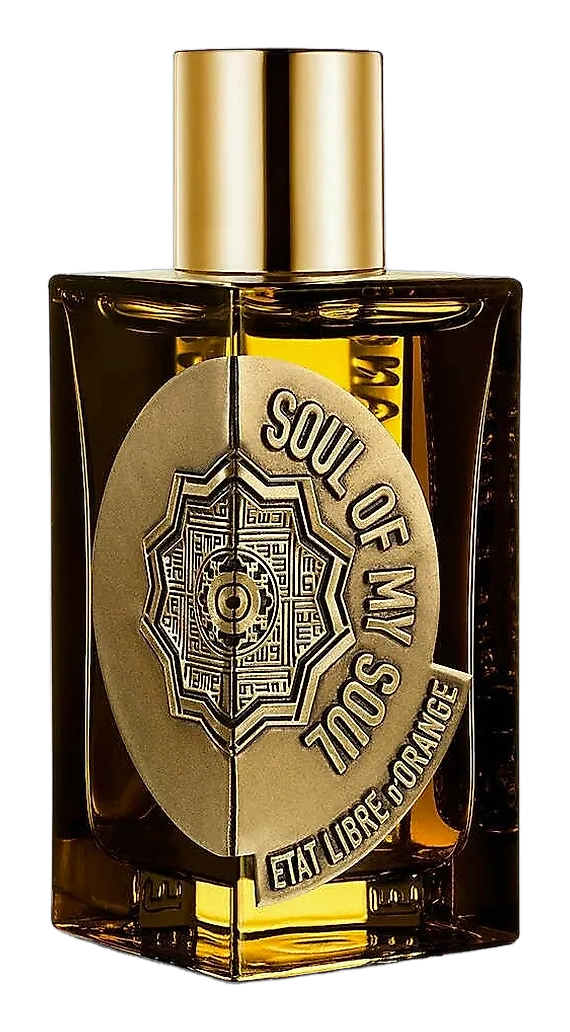

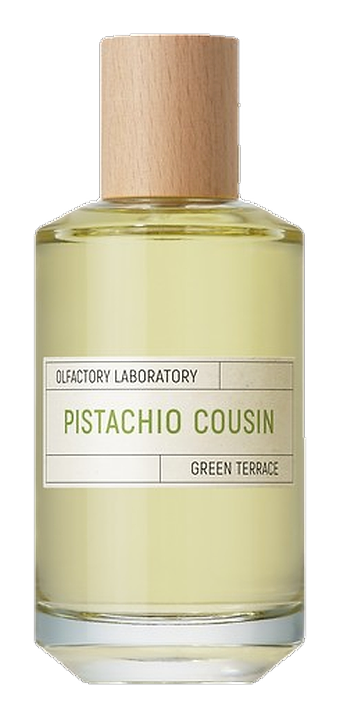
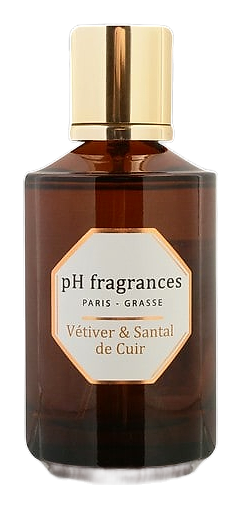
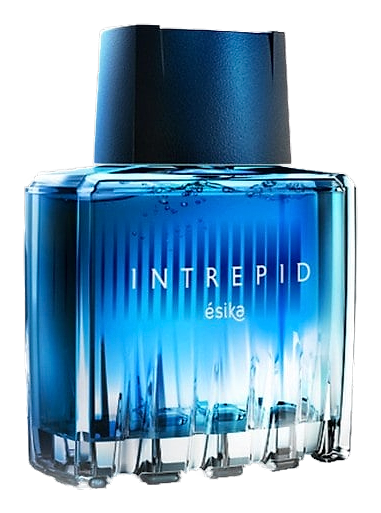
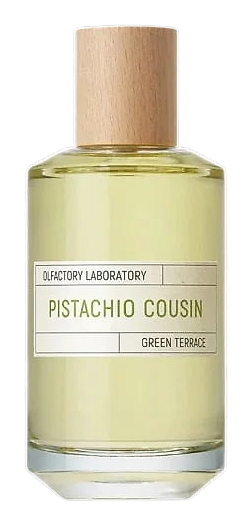
Brands
Brands known for Australian Sandalwood Orpur
Good to know
Questions, answered
The essentials on Australian Sandalwood Orpur in perfumery: how it smells, where it comes from, and how it behaves on skin.
What does Australian sandalwood smell like compared to Indian sandalwood?
Australian sandalwood offers a warmer, more aromatic profile with subtle camphoraceous top notes, while Indian sandalwood tends toward sweeter, creamier nuances. Both serve as excellent base notes, but Australian sandalwood provides a distinct, slightly more resinous character prized in modern perfumery.
What does Orpur® mean for Australian sandalwood?
Orpur® (French for pure gold) is Givaudan's highest quality designation for natural ingredients. It requires sandalwood oil to meet strict thresholds for aroma profile, optical rotation, and specific compound ratios, ensuring only the finest material earns this certification.
Is Australian sandalwood sustainably sourced?
Yes. Western Australia maintains managed plantation systems for Santalum spicatum, with harvesting regulated by the state government. Givaudan's Orpur® program specifically requires third-party verified sustainability practices, making Australian sandalwood one of the most responsibly sourced wood oils in perfumery.
How long does sandalwood oil last on skin?
Sandalwood oil ranks among the longest-lasting natural ingredients in perfumery, typically remaining detectable for over 24 hours as a base note. Its molecular weight and low volatility allow it to bond with skin oils, creating a lingering dry-down that can persist for days in high concentration formulations.
What fragrance families use Australian sandalwood?
Australian sandalwood appears across woody, oriental,chypre, and fougère compositions. It functions as a versatile base note that softens sharp accords, adds warmth to citrus top notes, and rounds out overly synthetic heart notes. High-end niche fragrances frequently highlight it as a signature ingredient.
Why is sandalwood so expensive?
Sandalwood trees require 15 to 25 years to develop sufficient heartwood oil for harvest, and only the inner core contains marketable material. Global demand consistently outpaces supply, with Australian plantations producing roughly 100 tons annually against far greater market appetite. Orpur® grade commands additional premium due to stringent quality requirements.
Can I detect sandalwood in a fragrance by smell alone?
Identifying sandalwood specifically is challenging because many mass-market fragrances use synthetic replacements (sandalore, ebanol) that lack the full complexity of natural oil. True natural sandalwood reveals creamy, milky, and slightly balsamic qualities that synthetics rarely replicate convincingly.
What compounds define Australian sandalwood's aroma?
Alpha-bisabolol contributes creamy, slightly woody warmth. Furanones add lactonic, fruity nuances reminiscent of coconut or apricot. Sesquiterpene alcohols provide the characteristic smooth, velvety dry-down that distinguishes high-quality sandalwood from synthetic alternatives.