The Story
Why it exists.
The beginning
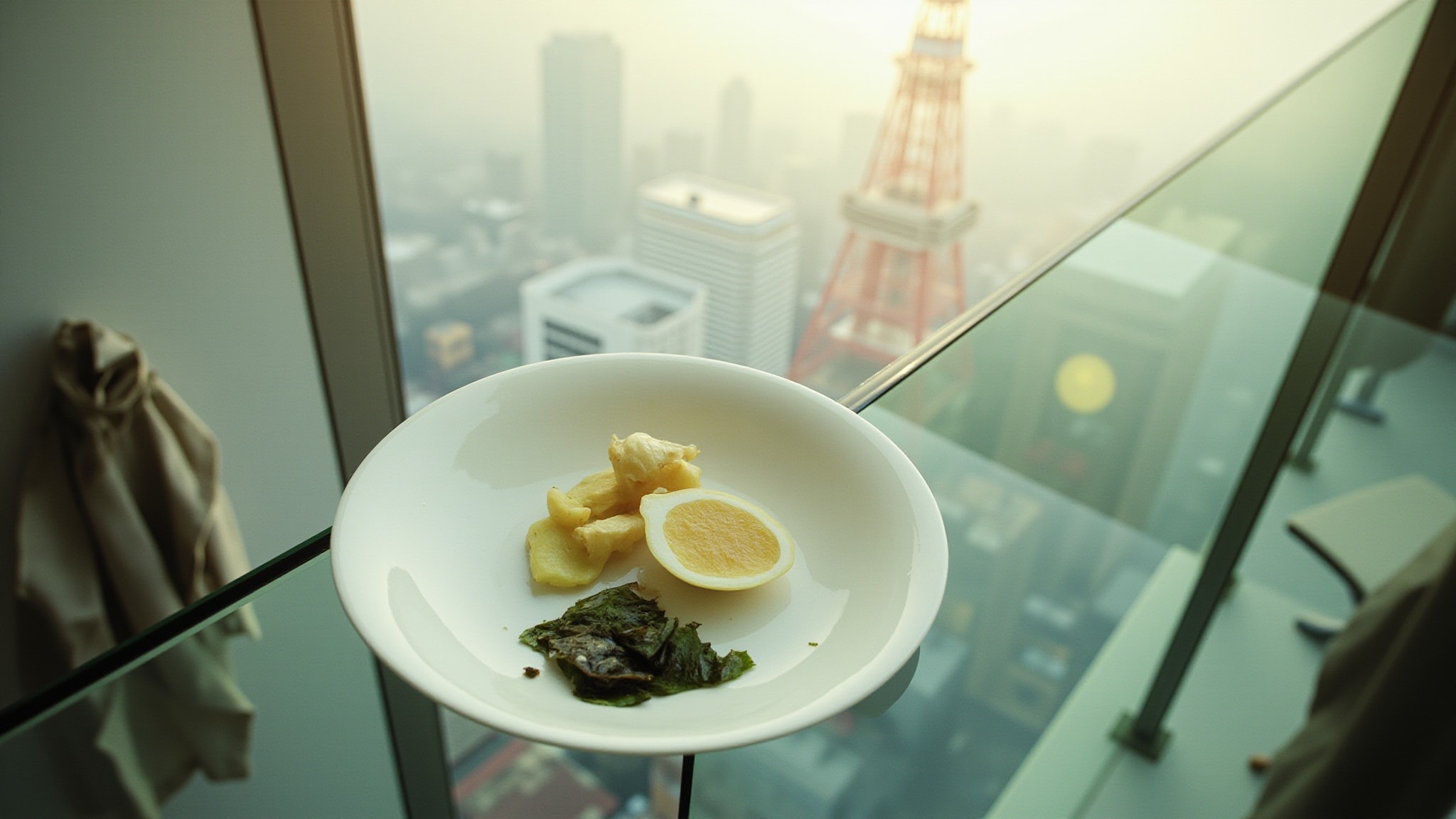
Tokyo by Kenzo arrived in 2007, when the city that inspired it was still finding its footing as a global creative capital. Marie Salamagne, the perfumer behind it, discovered notes in the lively atmosphere of Japan, and emerged with something specific on her skin: the feeling of fresh spices and the green sap of cedar and guaiac wood. She wasn't interested in recreating a landscape. She was after the energy, the collision of sharp and soft, green and warm, that makes Tokyo feel like a place where contradictions don't just coexist, they thrive. The bottle, designed by Kashiwa Sato, carries the same flowing silhouette as the rest of the Kenzo range, but stripped back. Modern. Almost architectural. It doesn't announce itself. It simply is.
What makes Tokyo's structure interesting is how it refuses to sit still. The top delivers a one-two-three punch of ginger, grapefruit, and lemon, citrus and spice working together, neither one apologizing for taking up space. The heart introduces green tea and bitter orange, which sounds gentle but isn't. Bitter orange adds a tartness that keeps the opening honest. Green tea provides the pause between movements. The base is where the fragrance earns its name. Cedar and guaiac wood are both woody materials, but they behave differently. Cedar is clean, almost austere. Guaiac wood is warmer, with a faint smoky quality that sneaks up on you.
The evolution
The opening doesn't whisper. Ginger arrives sharp and immediate, grapefruit lending a tart brightness that keeps the spice from overwhelming. A flash of citrus sharpens everything before it fades, capturing the energy of a city that never stops moving. Then the hand-off. Pink pepper appears, softening the ginger's edge, introducing a subtle floral quality that bridges the transition from opening to heart. Green tea slides in quietly, not the cold brew you'd expect, but warmer, almost herbal, like the memory of tea rather than tea itself. Bitter orange adds a last flicker of tartness before the composition starts its slow descent into warmth. The drydown is where Tokyo earns its name. Cedar takes over first, clean and dry, its woody presence grounding the entire experience. Guaiac wood follows with its faint smokiness, a warmth that sneaks up rather than announces itself.
Cultural impact
Tokyo by Kenzo arrived during a period when masculine fragrances were shifting from sporty aquatics toward something more complex. The ginger-green tea combination occupied a distinctive middle ground that felt both modern and slightly off the expected path, neither the safe fresh scent of previous decades nor the aggressive patchouli-heavy masculinity that dominated other corners of the market. It found its audience among people who wanted something with personality but without the projection monster reputation.