The Story
Why it exists.
The beginning
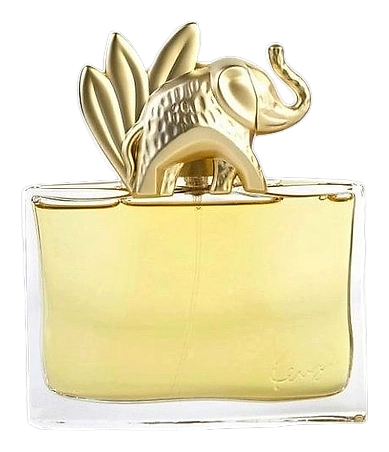
Kashâya de Kenzo arrived in 1994 from the perfumer Sophia Grojsman, a nose better known for powdery, intimate florals than for the kind of tropical fruit hit this composition delivers. The name itself carries a ceremonial weight, suggesting woven fabrics and ritual warmth, but the juice plays a different game. It opens with a burst of mango and papaya that feels almost edible, a sticky sweetness that catches you before the florals have a chance to settle in. By the time the softer notes arrive, the fruit has already left its mark, and the composition never quite lets you forget it. What makes the fragrance interesting is the tension between its two halves.
The composition's real move is stacking apricot against a tuberose-led heart. That pairing is more unusual than it sounds. Most fruity florals keep the fruit at arm's length from the indolic florals, afraid of the clash. This one walks right into it. The carnation adds a clove-edge that bridges the sweetness and the white-flower cream, while orchid provides a soapy, almost cosmetic lift that keeps the whole thing from collapsing into jam. It is a confident structure, one that trusts the wearer to want both the sugar and the seriousness.
The evolution
The first thirty minutes are almost entirely fruit and that warm, fuzzy amber underneath. Apricot and mandarin do their bright, sticky thing, more compote than fresh slice, and the sweetness feels generous rather than sharp. There's a candied quality to the opening that almost resembles dried fruit more than anything freshly picked, and the amber underneath gives it a golden glow that feels closer to dessert than breakfast. You can smell the mango and papaya threading through too, adding a tropical density that makes the whole thing feel lush and immediate. Then the flowers arrive, not all at once but in sequence: orchid first, almost dewy and clean, then carnation pushing in with its clove-warmth, and finally tuberose settling into the composition with that creamy, faintly carnal weight it carries.
Cultural impact
Kashâya sits within a tradition of warm, fruit-forward fragrances from the 1990s, sweet enough to feel approachable but with enough depth to avoid reading as simple. Sophia Grojsman's work runs through the composition, and the fragrance showcases her ability to balance softness with presence. The fruit notes give it an immediate appeal, while the amber and floral heart keep it from feeling one-dimensional as it wears. The bottle, designed by Serge Mansau, has the kind of form that catches light and attention without shouting.