The Story
Why it exists.
The beginning
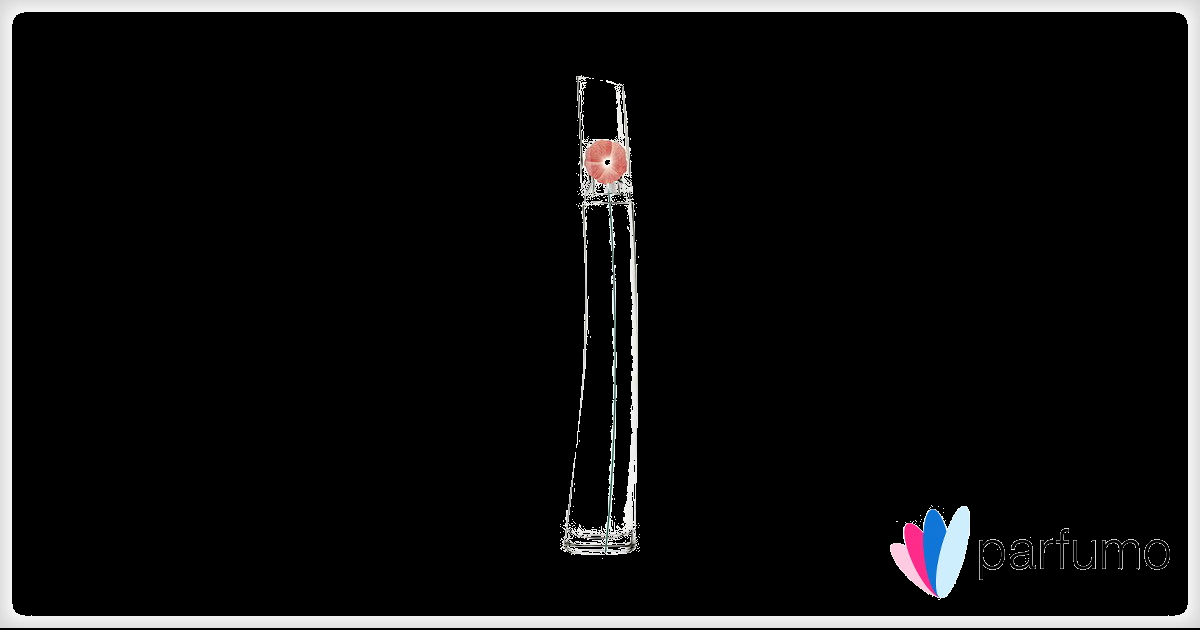
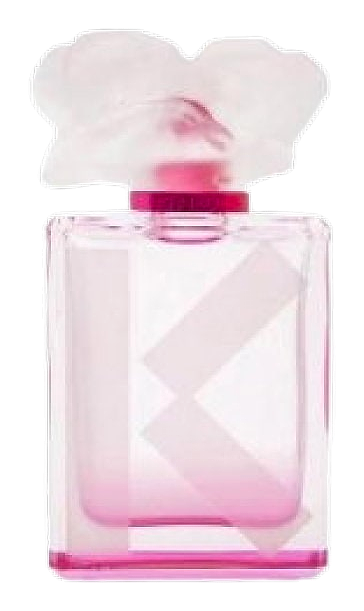
Couleur Kenzo Rose-Pink arrived in spring 2013 as part of a two-scent color collection, paired with Jaune-Yellow. The concept played on Kenzo's love of vivid expression: each fragrance a shade, a mood. Jean Jacques composed Rose-Pink around a spiky floral premise, the kind of pink that refuses to behave like a pastel. Grapefruit leads the charge, angelica adds its bitter-green backbone, and rose arrives not as a romantic gesture but as something sharper, threaded with saffron's dry heat. The bottle, designed by Serge Mansau, continues the sculptural tradition established by the iconic Flower flacon.
What makes Rose-Pink interesting is its refusal to coddle the rose. Most rose-forward fragrances lean into sweetness, into the soft-focus romantic register. This one threads angelica's bitter, green quality through the heart, letting the rose sit inside an herbal frame rather than float on a cloud of sugar. The saffron adds a leathery, almost metallic dryness, the kind of note that makes a floral feel like it has teeth. The synthetic accords noted by wearers give the composition its modern edge: this is a constructed rose, not a garden-variety one.
The evolution
The grapefruit and angelica hit almost simultaneously, bright and bitter in the same breath. That opening holds the stage before the rose starts to surface, initially wrapped in saffron's dry, almost papery warmth. The heart phase feels like a constructed flower: rose petals pressed between pages, saffron threads woven through rather than scattered on top. As the hours pass, the composition shifts toward a quieter floral-musk territory, the spiciness receding while a soft powdery warmth takes over. On skin, the drydown stays intimate, a close-skin warmth that reads more as memory than presence. Later still, what lingers is a faint floral trace, barely there but somehow still recognizable, like the shadow of a scent caught on a scarf.
Cultural impact
Rose-Pink arrived as part of a two-scent color collection released in spring 2013, paired with Jaune-Yellow. The release treated fragrance as color first and scent second, a curatorial approach that distinguished it from the typical seasonal launch. Within Kenzo's catalogue, Rose-Pink occupies a specific niche: a rose fragrance aimed at wearers who want structure over sweetness, sharpness over softness. The composition's reliance on synthetic accords gives it a contemporary edge that sets it apart from the more traditional rose offerings on the market, and the color-juice presentation makes it instantly recognizable on a vanity or shelf.