The Story
Why it exists.
The beginning
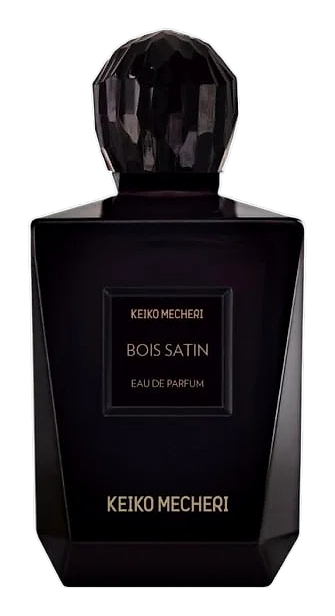
Bois Satin arrived in 2014, carrying a name that points to satinwood, that smooth, pale timber prized for its fine, silken grain. The composition carries the same hush of something expensive and soft to the touch, unfolding across the skin with a quiet confidence rather than a loud opening. A rose thread runs through the heart, deepened and softened rather than rendered bright or jammy, settling into a suede-like drydown that reads almost like fabric against skin. The base anchors everything in amber and vanilla, and there is a notable absence of the sugary, candied quality that often flattens florals into confection. Instead, the vanilla reads warmed and resinous, the amber casting a golden shadow that lets the rose breathe without competing with it.
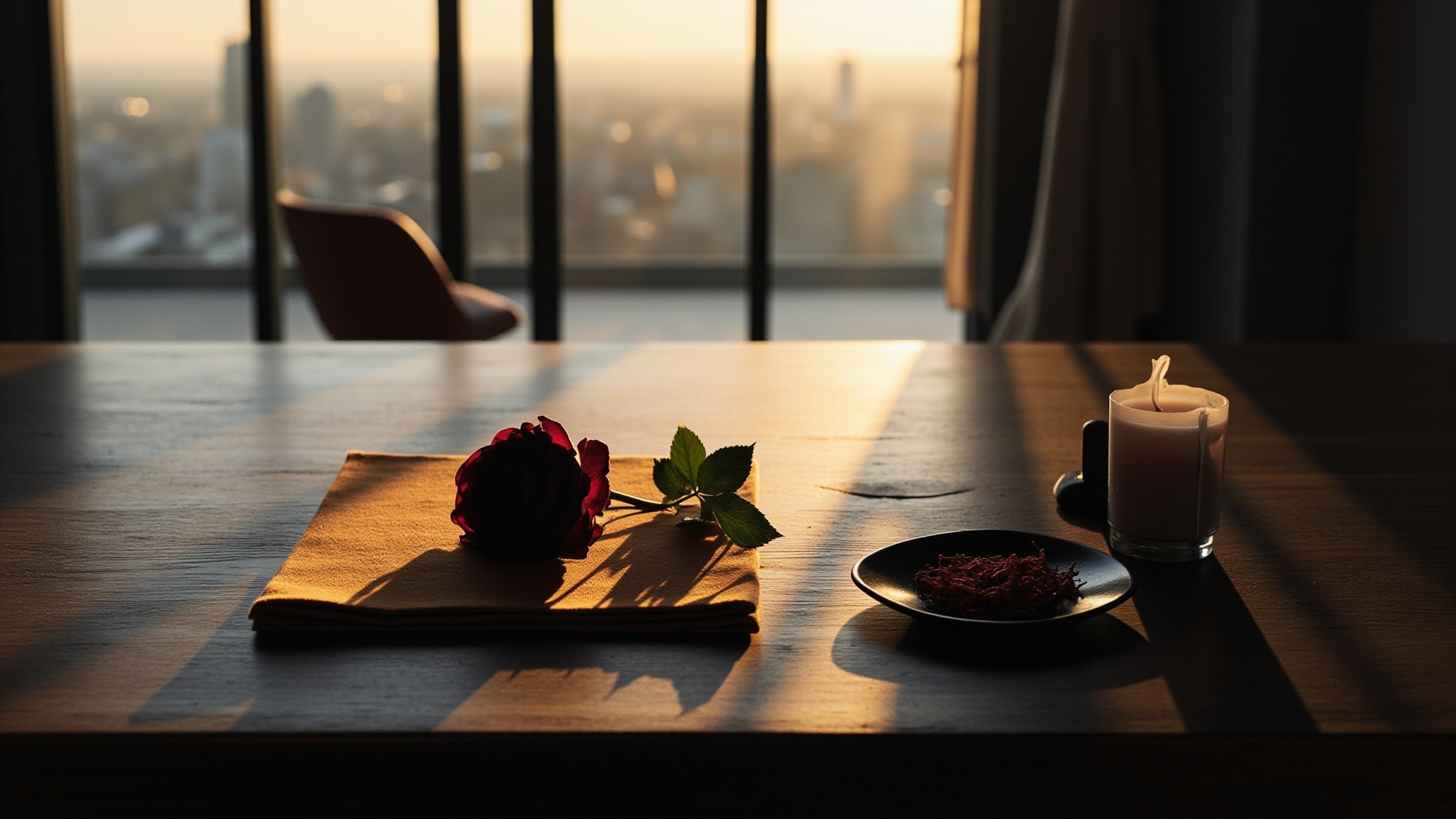
What separates Bois Satin from a dozen other rose-orientals is the balance. The rose here doesn't lead alone; it shares the stage with saffron's golden dust, and suede gives everything a brushed, tactile quality, like the nap of fine leather seen up close. Vanilla and amber don't shout. They cushion. Patchouli grounds the warmth, jasmine adds a soft floral breath, and Sicilian mandarin lifts the edges just enough to keep the composition from sinking into syrup.
The evolution
The first thirty minutes are the brightest the scent will ever be. Sicilian mandarin opens with a clean citrus snap, saffron threads through it with a dry, almost leathery spice, and the rose arrives quickly, not shy, not candied. Soon jasmine threads underneath, and the composition starts to darken. By the two-hour mark, the suede has fully taken over, and the rose has mellowed into something closer to dried petals than fresh blooms. Vanilla and amber settle in next, wrapping everything in a low, golden hum. Patchouli hums underneath, barely noticeable but doing all the structural work. Six hours in, and the drydown is warm suede and amber with just a whisper of rose still clinging to skin. The next morning, your wrist smells faintly of vanilla and saffron, a ghost of the opening that refuses to fully leave.
Cultural impact
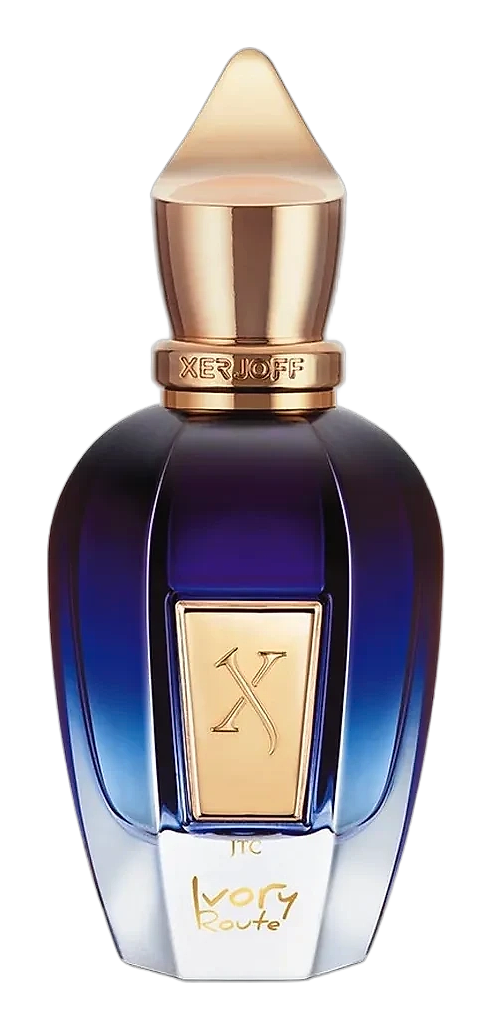
Bois Satin has earned a place among rose-and-suede orientals that prioritize warmth and texture over brightness and projection. Wearers often describe it as feeling like brushed fabric against the skin, more tactile than floral, with a softness that reads as deliberate rather than accidental. The composition shares ground with other leather-amber fragrances in the niche space, and it's frequently mentioned alongside names like Chanel's Coromandel and Xerjoff's Ivory Route in collector discussions, though it sits at the softer, more intimate end of that conversation.