The Story
Why it exists.
The beginning
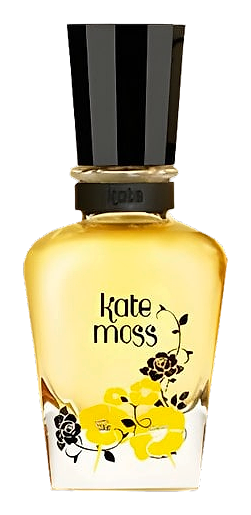
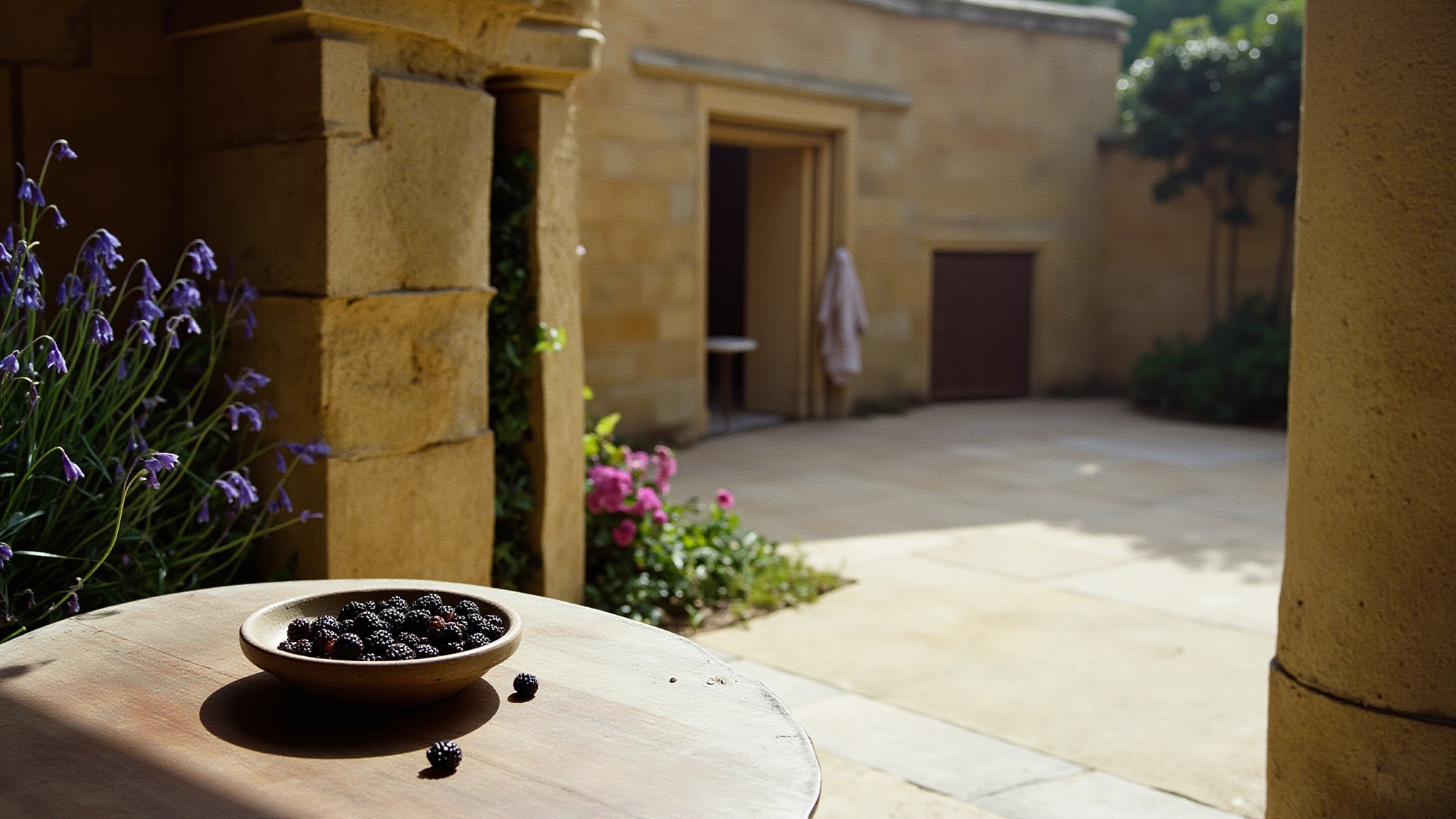
Kate Summer Time arrived in 2009, the second year of Kate Moss's Coty partnership. Where the debut Kate leaned dark and a little dangerous, this flanker went somewhere lighter, a limited-edition summer expression that swapped brooding for bloom. Perfumer Christophe Raynaud built it around the idea of an English garden in full sun: the kind with bluebells pressing through hedgerows, roses holding their petals against a warm wind, and a green note underneath it all that keeps everything honest. It was Moss taking her signature cool and letting the warmth in.
What makes this composition stand out is the galbanum. It's not a friendly note, it's sharp, almost vegetal, the smell of green stems cut at the root. Most summer florals would sand that edge down into something pleasant. Here, it stays. Bitter orange brings a citrus acidity that pairs with the blackberry's dark fruit without sweetening the deal. The heart is classically English: peony, wisteria, bluebell, rose, garden flowers rather than exotic ones. Nothing shouts. Everything shares the same register of quiet, sun-warmed certainty. It's a restrained composition, almost stubborn in its refusal to perform.
The evolution
The opening announces itself immediately: galbanum's green bite, blackberry's tart darkness, bitter orange's zest. It smells like walking into a garden before the sun fully rises. Thirty minutes in, the florals take over, but they don't dominate. Peony and rose arrive together, a quiet hand-off rather than a dramatic reveal. Wisteria and bluebell add a softness underneath that keeps the whole thing from feeling sharp. By the second hour, the base begins its slow warm-up: mahogany's woody depth, musk's skin-like closeness, tonka bean lending a faint sweetness that never quite surfaces. The drydown is intimate. Close. It stays closest to skin for hours, the kind of sillage that someone next to you will notice before you do.
Cultural impact
Kate Summer Time occupies a specific corner of 2009 celebrity fragrance culture: the English garden summer flanker. It arrived alongside the original Kate's darker, more brooding character and stood apart as something lighter, greener, more botanical. Wearers who gravitate to it tend to describe it as the antidote to overly sweet summer florals, a fragrance that smells like the actual outdoors rather than a synthetic approximation of it.