
The Story
Why it exists.
The beginning
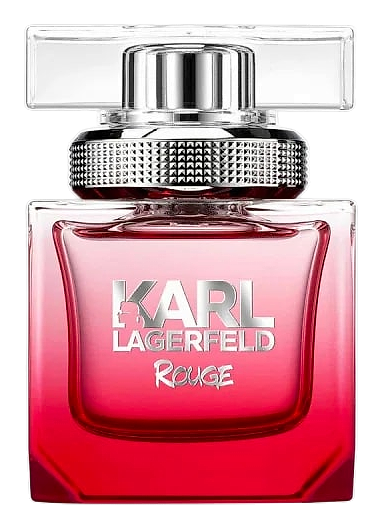
Karl Lagerfeld called red his color. His notebooks, his sunglasses, the interior of his Mercedes, red everywhere. Femme Rouge is a translation of that obsession into scent. Not the red of danger, but the red of presence. Romain Almairac built the composition around a single question: what does a color smell like? The answer lives in the contrast, bright fruit opening, warm amber base, a fragrance that wears its name like a signature.
Almairac chose to work against the house's usual grain. Where previous Lagerfeld scents favor restraint, Femme Rouge leans into abundance, a fruit cocktail that doesn't apologize for its sweetness, anchored by Ambroxan and Cashmere Wood to keep it from tipping into candy. The patchouli does quiet work in the heart, grounding jasmine and orange blossom with an earthy counterweight. Caramel and vanilla arrive last, warm and close, the base that earns the name.
The evolution
The opening hits tart and bright, blackcurrant leading, pear and peach tumbling in behind. It reads immediate, almost aggressive in its juiciness. Within twenty minutes the jasmine and orange blossom arrive, softening the edges without erasing them. The patchouli keeps the florals honest. By the third hour the fruit has retreated to a memory and the real structure reveals itself: amber, vanilla, and that Cashmere Wood note that gives the drydown its name. The base is warm, intimate. The drydown on clothes can last for days, vanilla and caramel woven into fabric, sweet and close. By morning, the scent has settled into skin like warmth you can't shake.
Cultural impact
Femme Rouge arrived during a period when fruity florals were experiencing renewed interest in mainstream fashion. The bold red bottle design echoed the aesthetic of the Karl Lagerfeld fashion house, making it instantly recognizable on vanity tables. This fragrance appealed to those seeking something more playful than the signature scents dominating the market at the time. Blackcurrant notes added a tart, sophisticated edge that distinguished it from sweeter competitors. The Pear and Peach combination created an accessible sweetness that invited newcomers to explore more complex fragrance families.