The Story
Why it exists.
The beginning
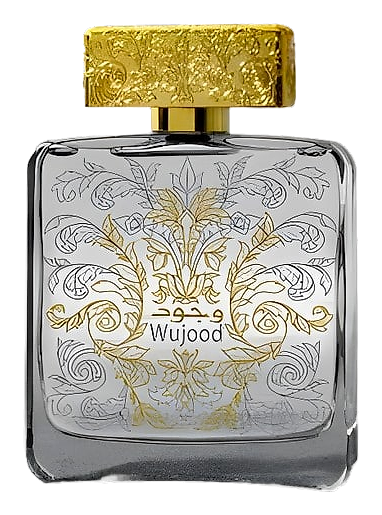
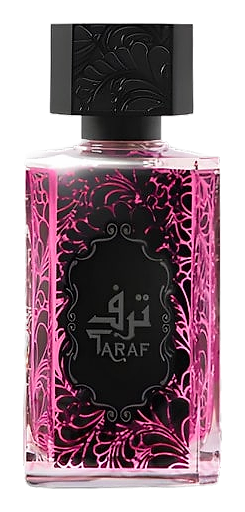
Taraf launched in 2014 as part of Junaid Perfumes' contemporary Arabian catalogue. The structure is stripped back on purpose. Clove, patchouli, amber, oud. Four materials, no filler. The composition is built around two poles: warm spice up top, resinous wood at the base, amber binding them in the middle. There's nothing ornamental in the list, no citrus to brighten the opening, no florals to soften the edges, no musk to trail behind. Everything that happens on skin comes from those four raw materials working against and around each other. Clove provides the initial heat and a slight medicinal bite. Patchouli adds earthy depth, the kind of dark, loamy quality that grounds the spice before it has a chance to become sharp.
What makes Taraf distinctive is the arrangement of its materials. Clove and patchouli lead the opening, so the warmth arrives before any wood enters the picture. This puts the spice in direct contact with skin first, letting its heat establish the temperature of the composition before the oud has a chance to weigh in. The amber middle then functions as the binding agent, concentrating the warmth and giving it a molten, almost viscous quality.
The evolution
The first ten minutes are loud and unfiltered. Clove dominates, almost medicinal at first, with patchouli's earthy darkness underneath. By the thirty-minute mark, amber takes over and the composition rounds out, the sharpness softening into a warm, resinous glow that feels close to heated honey or frankincense. Oud arrives late and stays. It's not the barnyard or smoky leather variety. Here it reads dry, woody, almost incense-like, anchoring the whole arc from underneath. The way the notes shift over time is one of the more interesting things about wearing Taraf. The clove never fully disappears, but it recedes into a warm hum that runs underneath the amber for hours, occasionally surfacing when the skin warms up or the fabric shifts.
Cultural impact
Taraf has carved out a recognizable identity among Arabian oud compositions by leaning into its spice-led structure. Wearers who gravitate toward oud but want something with a different entry point often find the clove-patchouli opening more approachable than the dense, smoky openings of more traditional oud work. The fragrance reads as warm, resinous, and grounded, qualities that align it with cooler-weather wearing when the heat of clove and amber feels most natural against the skin.