The Story
Why it exists.
The beginning
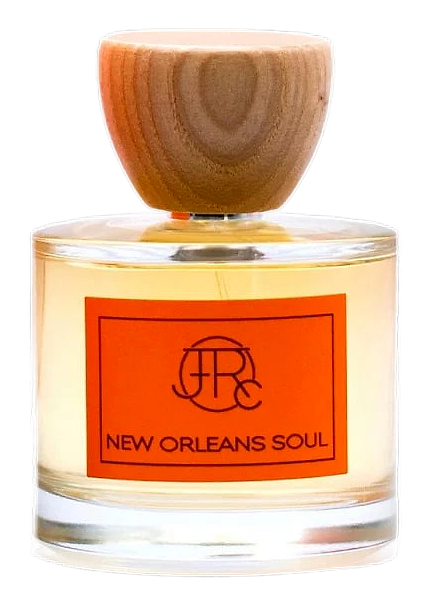
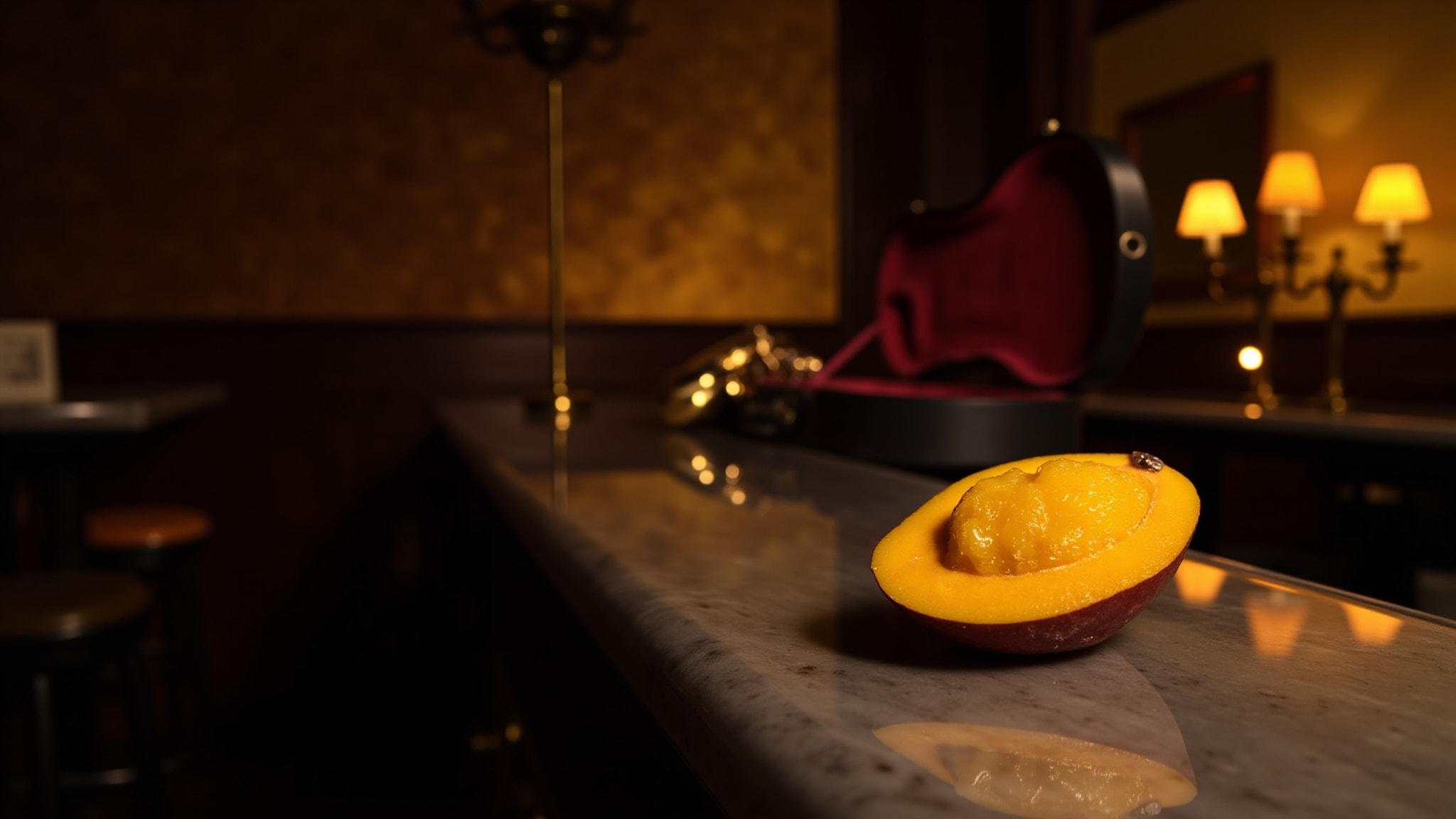
Daniel Josier named this one New Orleans Soul for a reason, though the fragrance itself doesn't lean on any literal geography. What it delivers is a mood: ripeness held under heat, something sweet that's been left out long enough to darken at the edges. The composition opens with fruit that reads almost edible, mango at the front backed by pineapple, papaya, plum, and tangerine, each one layered so the sweetness has dimension rather than reading as a single note. Cypress cuts through with a green thread, the kind of vegetal sharpness that keeps tropical openings from collapsing into syrup. Once the fruit softens, sandalwood and oud take over the middle and base, lending a creamy warmth that clings close to skin.
The structure pulls from both sides of Josier's sensibility. Six top notes, mostly tropical fruit, set up a sweet opening without apology. Then oud and saffron arrive in the heart, an unexpected pivot that grounds the sugar before it tips into cloying. Cistus and animalic notes anchor the base, giving the drydown a musky warmth that reads more human than synthetic. It's a fruit-forward composition that refuses to stay fruity, which is exactly what keeps it from feeling like a typical niche tropical.
The evolution
The first 30 minutes belong to the fruit. Mango leads, supported by pineapple, papaya, plum, and tangerine, with cypress threading green through the sweetness like a breeze through palm fronds. As the opening fades, the fruit starts to darken. Plum deepens, saffron and nutmeg warm the edges, and oud shows up not loud but present, the kind of woody smoke you'd catch from across a room. The oud never overwhelms; it sits underneath the fruit like a bassline, reshaping the sweetness into something more grounded. By the time the animalic base has settled in, the cistus adds a resinous hum that stays close to skin. The drydown carries for several hours beyond that, warm and slightly feral, with the fruit reduced to a faint sweetness and the oud holding the shape.
Cultural impact
Wearers tend to reach for New Orleans Soul when they want something that reads sweet from a distance but reveals complexity up close. The fruit-forward opening makes it approachable, but the oud and animalic base give it enough edge to stand apart from typical tropical offerings. Reviewers have drawn comparisons to Oud Maracuja, pointing to the shared territory of bold tropical fruit meeting Middle Eastern structure, wearable rather than purely ornamental. The fragrance has found an audience among collectors who appreciate when sweetness comes with substance, where the initial charm gives way to a drydown that rewards patience.