The Story
Why it exists.
The beginning
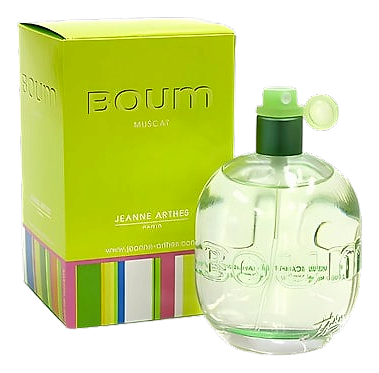
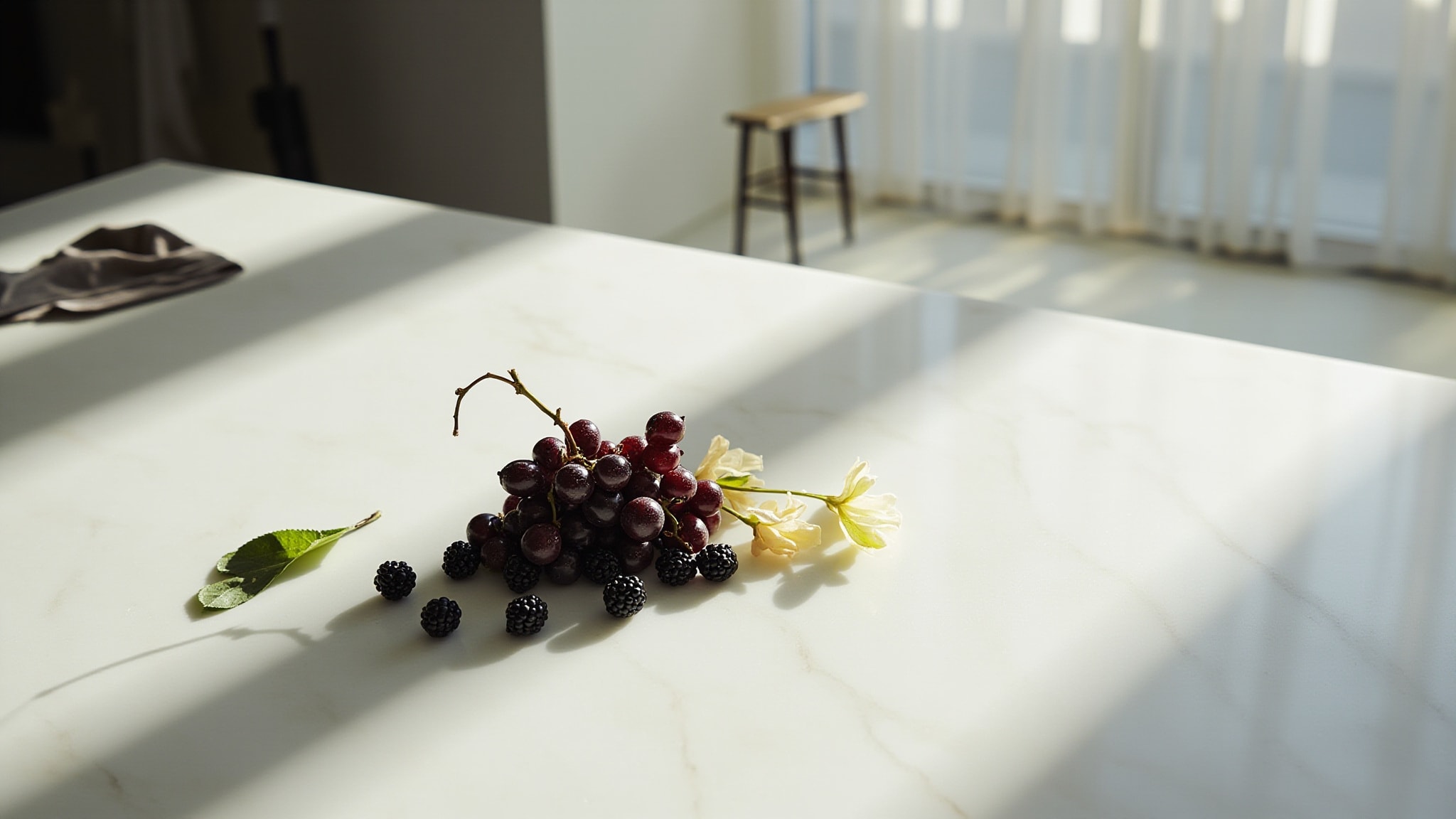
Boum Muscat arrived in 2005 as part of Jeanne Arthes's Boum collection, a lineup built for women who treat fragrance as a daily indulgence, not a statement. The name points directly to muscat grapes: small, intensely aromatic, with a honeyed sweetness that sits between wine and candy. The brief seems to have been simple, capture that grape-and-fruit energy in a format that feels French and effortless, then dress it in the brand's clean visual language. No ceremony. Just something pleasant and persistent.
What makes Boum Muscat interesting isn't any single note but the structure: a top that's genuinely tart and bright, a heart that's crowded with florals, and a base that pulls everything warm and soft. Six notes in the heart alone means this isn't a fragrance that hides what it is. The carnation adds a slight spice that keeps the peach and apple from becoming saccharine. Freesia brings that green-floral snap that prevents it from drifting into pure sweetness. It's a balanced composition in the sense that nothing dominates, but it's also a busy one. The muscat reference works precisely because the grape and blackcurrant create that wine-like depth without any actual alcohol.
The evolution
The opening is the most interesting part. Blackcurrant and grape arrive together, giving the first minutes a tartness that feels almost wine-like, then the lemon cuts through to keep it bright. Within twenty minutes the florals begin their procession, and this is where Boum Muscat shows its hand: rose and freesia arrive first, followed by a quieter peach note that softens everything. The apple appears and disappears, it's there for the transition, not the destination. By the second hour the carnation has settled into the background, adding warmth without weight. The drydown is all about the musk and amber working together. Close to the skin, warm, slightly powdery. The jasmine doesn't announce itself, it lingers. On fabric, you'll catch traces eight hours later. On skin, count on six solid hours before it fades to a skin-close whisper.
Cultural impact
Boum Muscat arrived during the peak of the fruity-floral musk era in 2005, a time when mass-market houses were competing to deliver accessible luxury scents. Jeanne Arthes, founded in 1978 and based in Grasse, positioned the fragrance within a broader Boum collection that captured the cheerful, optimistic spirit of mid-2000s perfumery. This was a period when consumers embraced bold fruit notes as a counterpoint to the minimalist trends of the early 2000s, and Boum Muscat reflected that appetite for bright, unapologetically sweet compositions. The muscat grape note, inspired by the honeyed character of the fruit, aligned with the era's fascination with gourmand elements while maintaining a floral sophistication.