The Story
Why it exists.
The beginning
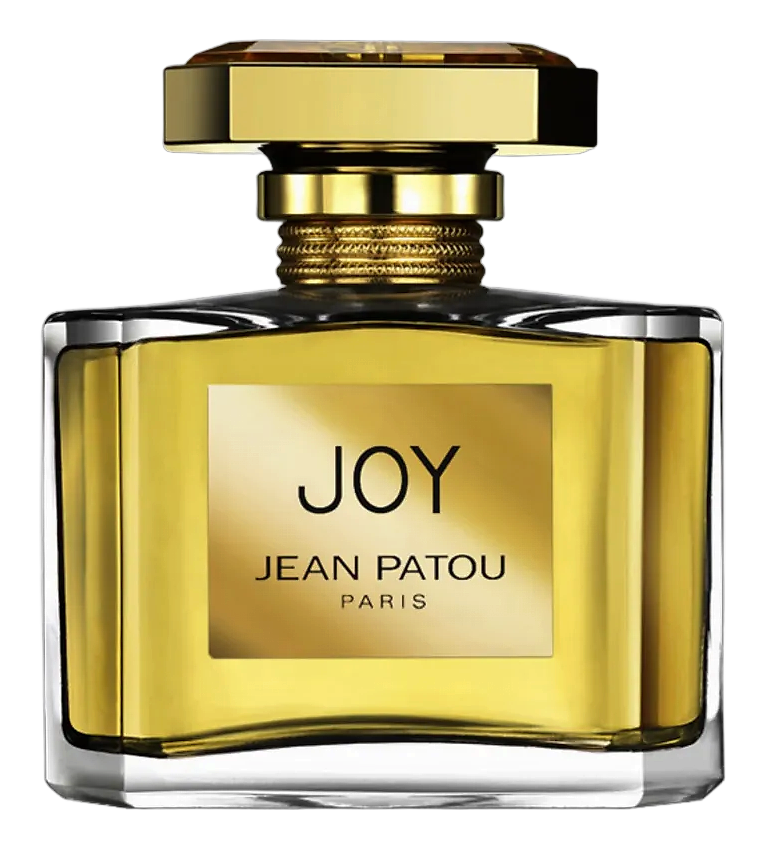
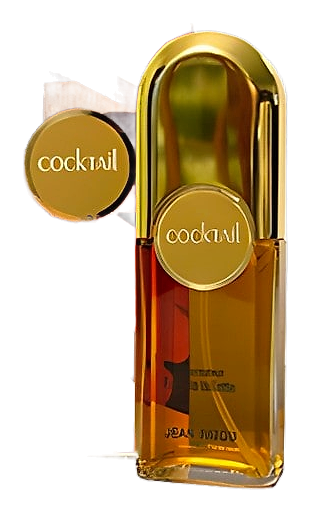
Henri Almeras created Cocktail in 1930 for Jean Patou's expanding fragrance collection. Almeras built his composition along similar lines, blending aromatic lavender with sweet honeysuckle and tart petitgrain, then layering jasmine and ylang-ylang beneath. The lavender opens with a crisp, herbaceous brightness that immediately sets an aromatic tone. Honeysuckle brings a heady, sweet floral richness that softens the edges, while petitgrain adds a tangy, green citrus quality that lifts the blend. As the top notes settle, jasmine emerges with its indolic, romantic warmth, and ylang-ylang contributes a creamy, exotic sweetness that rounds the composition. The overall effect is one of complexity and balance, where each material maintains its character while contributing to a unified whole.
The real ingenuity lies in what Cocktail doesn't do. Rather than relying on the expanded palette of later decades, Almeras worked with a narrower set of materials and made them do more. The sweet-green rose that runs through the heart isn't a single note, it's an impression, created by combining rose's warmth with the green facets of geranium and hyacinth. This is fruitiness as technique, not as ingredient list. When Jean Kerleo later reconstructed the formula from the presumed original, that impressionistic quality, making a little go a long way, remained intact.
The evolution
The opening hits sharp: lavender's dry herbaceousness meets honeysuckle's juiciness and petitgrain's citrus-green bite. Think of it as the first sip, tart, awakening, a little puckery. Within minutes, the citrus softens and jasmine enters, bringing warmth that starts to round the edges. The honeysuckle doesn't disappear; it deepens, becoming almost apricot-like as ylang-ylang adds its creamy, slightly banana-floral character. The heart holds for hours, green rose shimmering beneath the white florals like a secret. Then, slowly, oak moss emerges, not loud, but present, adding that chypre earthiness that grounds everything. Amber and musk arrive last, close and warm, the scent settling into skin rather than projecting outward. By hour eight, you're left with a soft, skin-warm musk that whispers rather than shouts.
Cultural impact
Cocktail occupies a distinct position in perfumery's history. The fragrance features a chypre-floral structure built on oak moss, presenting green and aromatic qualities that set it apart from heavier compositions. Its moderate sillage and extended drydown suit someone who wants presence without announcement. The way the fragrance develops over time rewards close attention, revealing subtle shifts in its layered composition. Each stage of wear offers something slightly different, from the initial impression through the hours that follow.