The Story
Why it exists.
The beginning
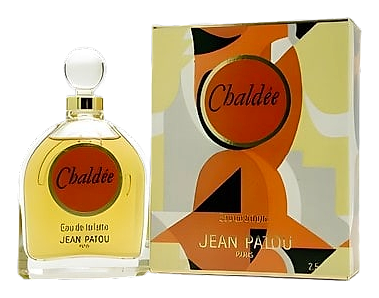
Henri Almeras created Chaldee in 1927 as part of Jean Patou's early fragrance collection, joining three scents that launched the house into perfumery. The name carries an allusion to ancient Mesopotamia, a land of rich aromatic traditions, translated into something modern for its moment. Patou, the couturier who dressed women for tennis and terrace rather than ceremony alone, wanted fragrance to move with the wearer. Chaldee was designed for that kind of woman: active, modern, refusing stuffiness even in her scent.
The note structure is unusual for its era, a yellow floral heart of narcissus and lilac alongside the expected white florals. Most 1920s orientals leaned heavy, built on heavy ambrette or sandalwood. Chaldee threads opoponax, a warm resinous gum, with amber and vanilla to create a base that keeps the florals grounded without smothering them. The composition stays cooler than its category suggests, honoring the house's sporting sensibility even in liquid form.
The evolution
The opening is cool and green, hyacinth cutting through before the orange flower arrives with its bittersweet brightness. This first hour is the fragrance at its most restrained, almost mineral in its clarity. Then the heart opens. Jasmine and lilac add a creamy density that shifts the temperature upward, but it's the narcissus doing the heavy lifting, that heady, slightly animalic yellow floral that some people adore and others approach with caution. By hour three, the opoponax arrives. Warm, slightly leathery, it anchors everything that came before and sets up the base. The final hours belong to amber and vanilla, powdery warmth that stays close to the skin, intimate rather than announced. On fabric, the vanilla persists into the next day. The drydown is the whole point: what you smell on yourself the next morning, alone.
Cultural impact
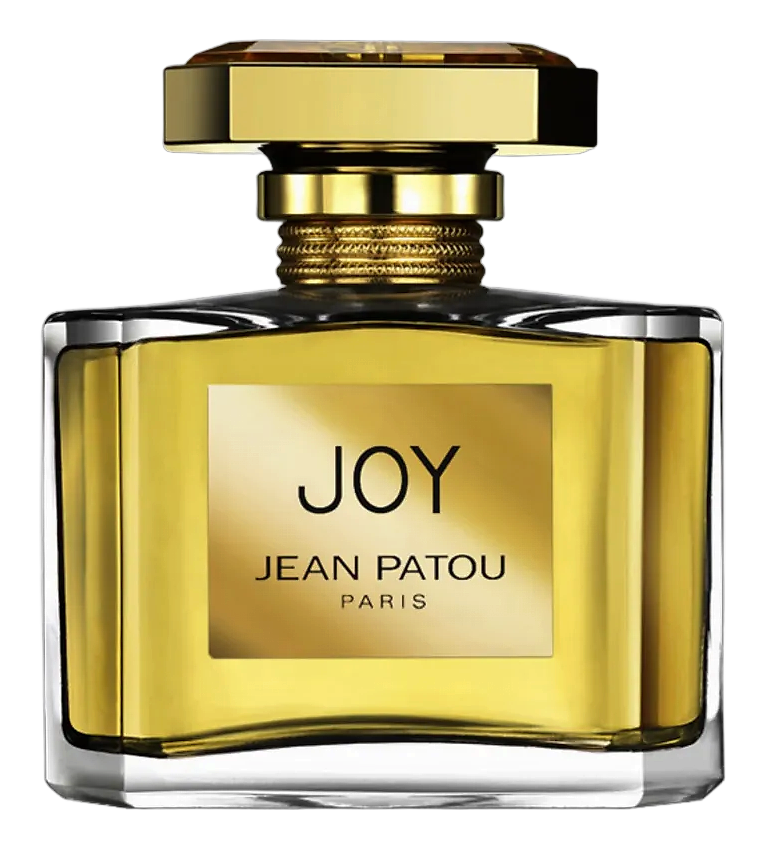
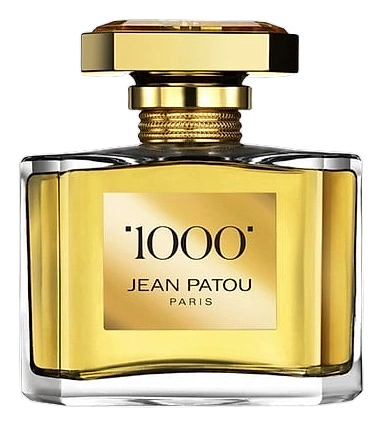
Chaldee occupies a particular place in the Jean Patou lineup, not the opulent floral excess of Joy, but something cooler, more restrained, and ultimately more wearable for daily life. The 2013 Heritage Collection reissue brought Thomas Fontaine's reconstruction of the 1927 formula back into circulation, introducing the fragrance to a new generation that might otherwise have encountered it only in vintage bottles. For collectors of classic French perfumery, it represents the Patou house character at a specific historical moment, sporting elegance translated into liquid.